AI poses new national security threat, outgoing Hong Kong deputy police chief warns
Retiring deputy police commissioner Andrew Kan Kai-yan has said artificial intelligence (AI) poses a new threat to national security in Hong Kong, with the force turning to the emerging technology to help combat the issue. Kan raised the alarm after state security minister Chen Yixin warned last week of rising national security risks posed by AI. The senior mainland Chinese official also called…
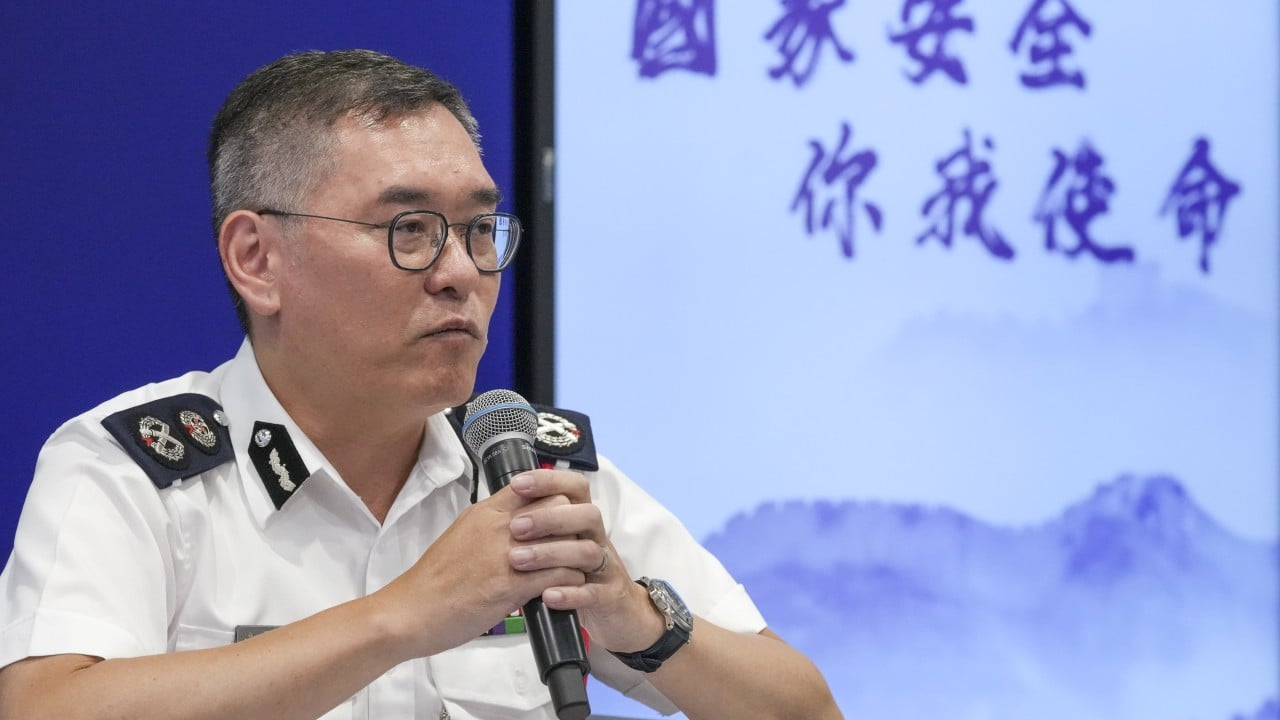
Retiring Deputy Police Commissioner Andrew Kan Kai-yan has warned that artificial intelligence (AI) poses a new threat to national security in Hong Kong. Kan, who has spent 35 years on the force, highlighted the potential misuse of AI by anti-government forces to commit crimes related to national security. He also noted that AI could be used to launch attacks on critical infrastructure and generate misinformation.
Kan emphasized the importance of robust risk prevention frameworks and stronger global governance of AI technology. The police chief stated that while current legislation could handle the threats for now, new laws might be necessary in the future due to the rapid advancement of technology. He cited Section 50 of the Safeguarding National Security Ordinance, which covers acts endangering national security related to computers or electronic systems, as well as the Protection of Critical Infrastructures (Computer Systems) Ordinance, designed to safeguard critical infrastructure and banking systems.
Kan stated that the four main national security threats over the next five years are soft resistance, home-grown terrorism, foreign influence, and espionage. He also addressed the issue of enforcing laws against books with seditious intent, stating that sellers should read books before selling them and seek legal advice if they have doubts.
Kan warned that soft resistance had become more discreet and underground after the enactment of national security laws, with people using various platforms to spread misinformation, incite hatred, and incite public resentment. He suggested that people consider whether their expression is intended to incite others and whether their criticism is based on concrete facts when engaging in dissent.
Written by urgent.news from South China Morning Post's reporting — not their text. Machine-written — may contain errors; check the original before relying on it.