After more than two years waiting for childcare aid, one Colorado family gets help
Stormi Kujawa was at a prenatal doctor’s appointment to check on her high-risk pregnancy when she got good news. It wasn’t about her baby. It was about a program that could help pay for childcare for her toddler daughter, Presley. A…
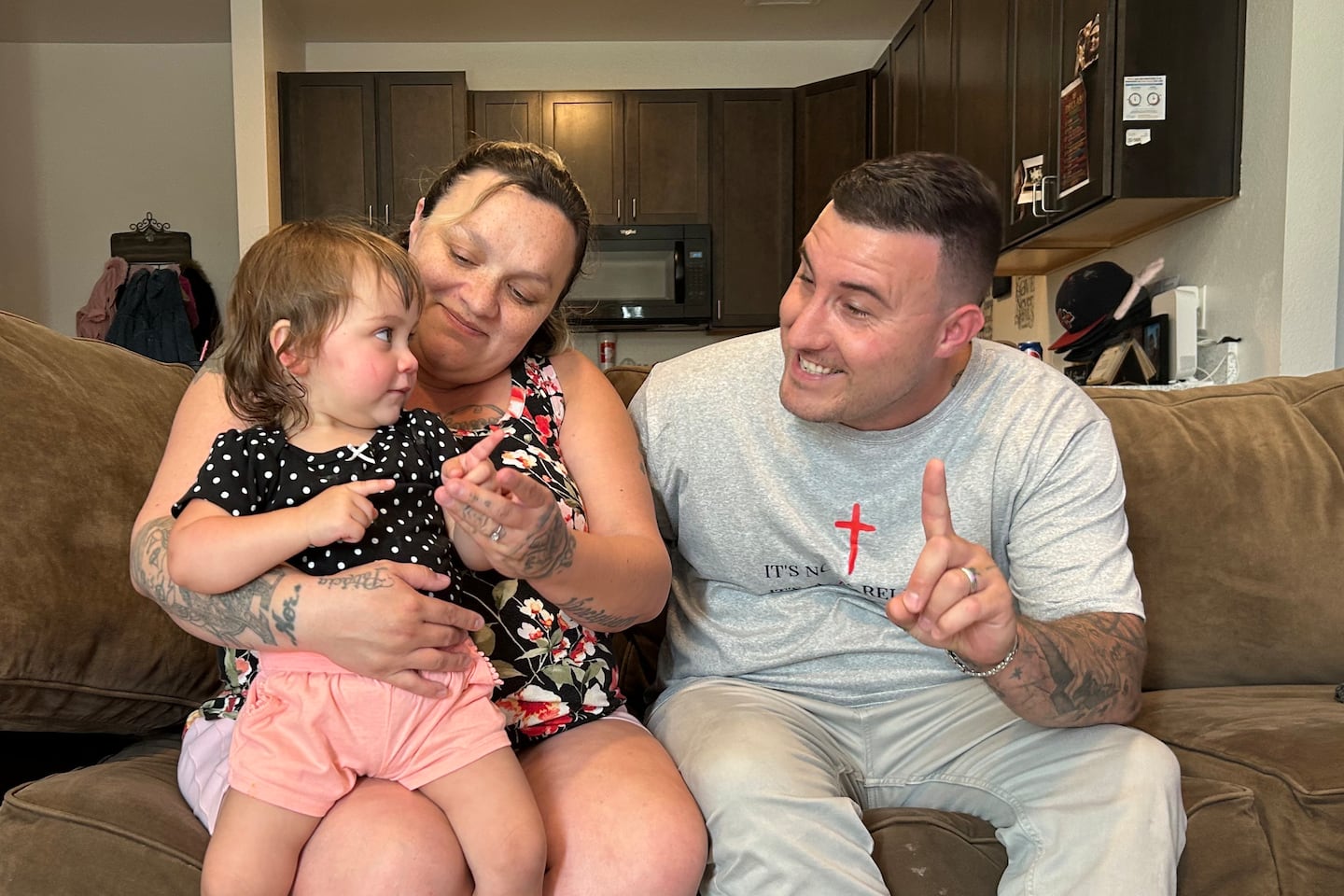
In Larimer County, Colorado, a local program providing childcare assistance has finally begun offering support to families after a two-year waitlist on the state-funded Colorado Child Care Assistance Program (CCCAP). One such family is that of Stormi Kujawa and Riley, who were finally approved for the aid after weeks of anticipation. Prior to receiving this assistance, the Kujawas had been on the long waitlist for the CCCAP program, leading them to consider bringing their 2-year-old daughter, Presley, to work with them.
The local program, funded by United Way and set to receive substantial funding through the newly approved 25-cent-per-$100 sales tax increase in 2027, is currently serving a few dozen families. However, it aims to expand to accommodate more families in the near future. Christina Taylor, CEO of Northern Colorado Kids Thrive, anticipates that the program will help around 800 to 1,000 families by providing sliding-scale awards based on income.
While this local program is a significant step forward, it is not enough to completely address the demand for childcare assistance in the area. Despite this, Taylor calls the new program's potential impact "a huge step forward." Currently, Colorado's state childcare assistance program, CCCAP, serves over 21,000 children, yet more than 14,000 children remain on waitlists. Nationwide, many children are similarly waiting for their state's childcare subsidy programs.
This situation has led to a myriad of challenges for working parents, who often face tradeoffs such as foregoing necessities, falling behind on bills, or even relying on relatives to watch their children. As a result, some parents have resorted to bringing their children with them to work or class, jeopardizing their careers and educational pursuits.
Written by urgent.news from Chalkbeat's reporting — not their text. Machine-written — may contain errors; check the original before relying on it.