AfD and “Die Linke” Win State Elections, but Will they Govern?
Now, the question is: What kind of governments should be expected? Up in Mecklenburg, there already is a likely outcome. In Berlin, things are a bit more complicated.
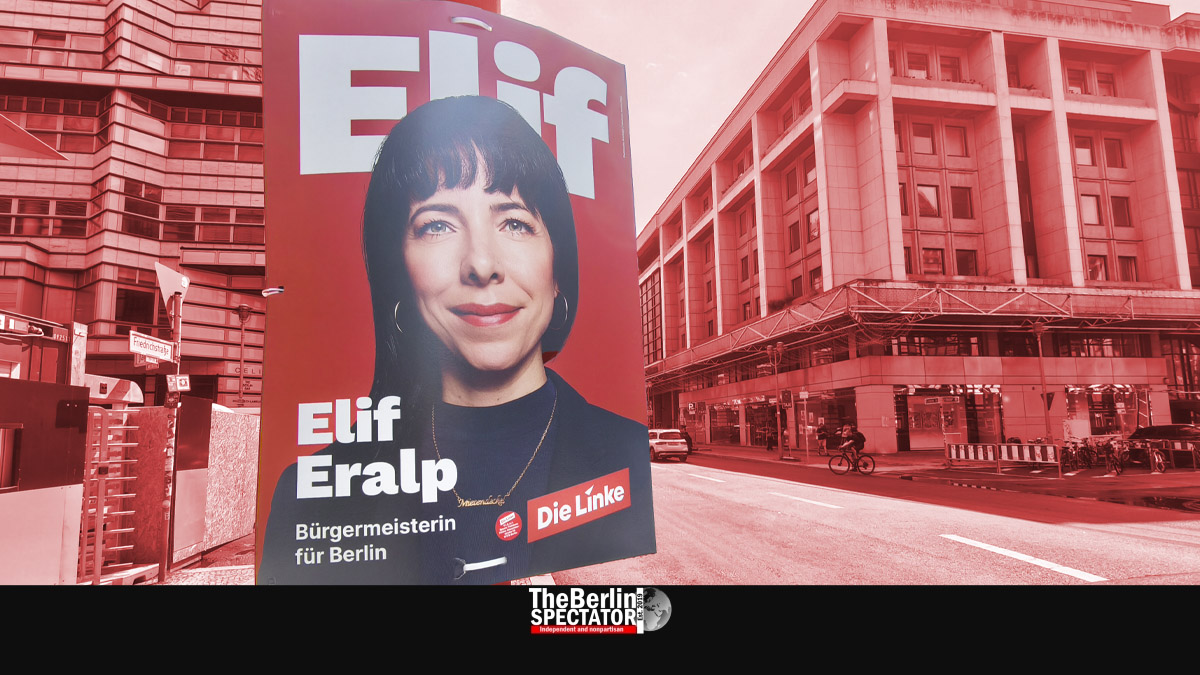
In the recent state elections held on Sunday, extremist parties emerged victorious in both Berlin and Mecklenburg-Hither Pomerania. In Mecklenburg-Hither Pomerania, the far-right AfD secured 38.2 percent of the vote, while the center-left SPD received 35.5 percent. In the capital, Berlin, the far-left Die Linke triumphed with 25.7 percent support, followed by the center-right CDU with 18.8 percent.
Should these parties assume power, the outcome remains uncertain. In Mecklenburg-Hither Pomerania, the far-right AfD might be the strongest contender; however, they lack a majority. The SPD, alongside the Greens and "Die Linke," could form a coalition government, as they together possess enough support to govern the state. In Berlin, potential coalitions consist of the Die Linke, SPD, and Greens, or the CDU, SPD, and Greens.
The German political landscape is further complicated by extremist parties harboring controversial ideologies. The AfD, known for its support of Russia's President Vladimir Putin, has faced accusations of racism from critics, who allege that some of its leaders and members have made remarks reminiscent of the Nazi era. Additionally, the party advocates for Germany's withdrawal from the European Union and NATO.
Die Linke, Berlin's victorious far-left party, has its own set of controversies. The party has been embroiled in antisemitism scandals, with some members celebrating Palestinian terrorism against Israel and advocating for more such acts. Following these allegations, the Central Council of Jews in Germany urged the Greens and the SPD to refrain from forming a coalition with "Die Linke" due to concerns about the party's connection to anti-Semitism.
The CDU's performance in the elections has been particularly dismal, marking its worst state election result ever in Mecklenburg-Hither Pomerania. Chancellor Friedrich Merz's CDU also recorded its lowest ever result in Berlin. Despite the party's poor showing, Merz has expressed his commitment to advancing Germany, potentially increasing political pressure on him.
Written by urgent.news from The Berlin Spectator's reporting — not their text. Machine-written — may contain errors; check the original before relying on it.