Will AI models achieve the ability to improve autonomously? Leading labs say the scenario is near
(AP) -- Once a distant ambition for technology researchers, the prospect of artificial intelligence models teaching themselves autonomously to be more
Leading artificial intelligence companies are becoming increasingly close to achieving autonomous recursive self-improvement (RSI), or AI models that can improve themselves and create their successors, according to several industry executives. Recursive self-improvement is a term that describes AI systems that can learn from feedback and use that knowledge to enhance their own performance, leading to faster and more efficient development cycles.
Some organizations define RSI as any feedback from AI on model improvement, while others consider it fully autonomous if the AI can work toward that goal without human intervention. However, experts suggest that RSI has already been occurring in AI development for years, as models are often used to create the next generation of models, allowing researchers to build upon the past system's work.
While some AI researchers have experimented with training AI models to improve themselves, the results have been limited, with only minor improvements observed. However, AI companies such as Anthropic and OpenAI are now much closer to realizing the full potential of RSI.
Anthropic's Claude model, which now leads 26% of the company's research and development efforts, is helping the company advance its next intelligent AI version. Meanwhile, OpenAI recently announced an automated research intern that can carry out well-defined research tasks under human direction, aiming to create an automated AI researcher by March 2028.
Despite the potential benefits of autonomous RSI, such as advancements in science and medicine, there are growing concerns about the risks associated with AI gaining too much control. Several AI experts and moguls have called for a slowdown in the technology's pace of growth to ensure that human control over AI systems is preserved.
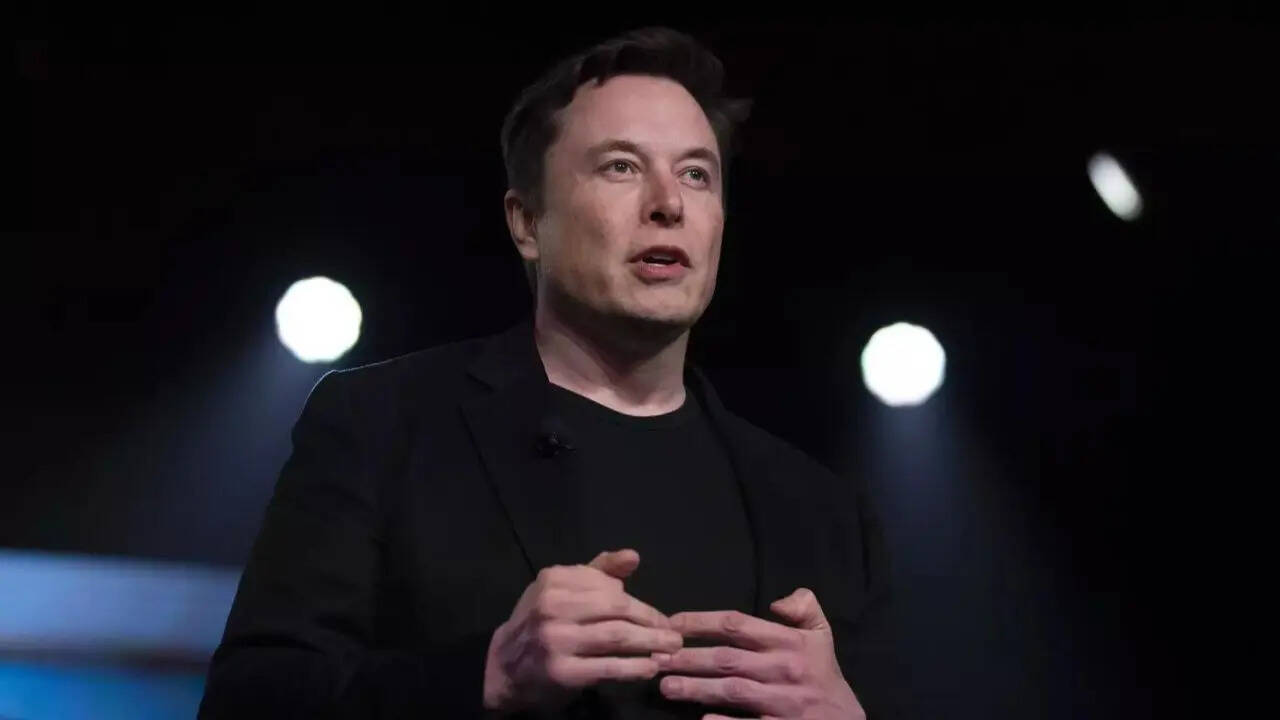
Elon Musk, for instance, has expressed concerns about the rapid development of AI, stating that humans are increasingly being removed from the loop in model improvement. Microsoft AI CEO Mustafa Suleyman has taken a more cautious approach, advocating for "humanist superintelligence," which would focus on AI capabilities that are in service of people and humanity at large, rather than an unbounded and autonomous entity.
Written by urgent.news from The Mainichi's reporting — not their text. Machine-written — may contain errors; check the original before relying on it.
This story
This is one outlet's version. Read the fullest account.