Why a three minute song before India’s cricket match caused controversy
The full six stanza version of ‘Vande Mataram’ was played before the national anthem at an India international cricket match for the first time, bringing a historic freedom song and a long running debate over patriotism, religion and national identity onto the cricket field
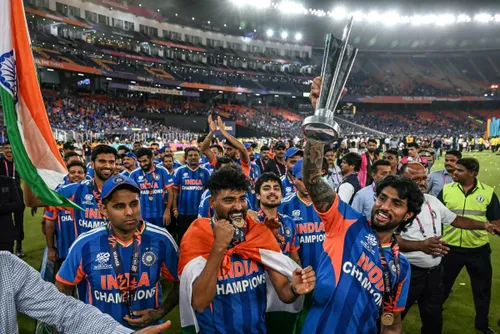
A song, once used to rally Indians against British rule, is sparking debate over patriotism and religion in India. Before a recent T20 cricket match between India and Afghanistan, players and fans stood as the Vande Mataram was sung before an international game in India for the first time before the national anthem. The six-stanza song, penned in 1875 by Bengal's Bankim Chandra Chattopadhyay, lasted over three minutes, thrusting the poem at the heart of a modern national debate.
While some players sang the opening lines, most remained silent before the national anthem followed. Vande Mataram, meaning "Mother, I Bow to Thee," was officially adopted as India's National Song in 1950, but it is not the country's national anthem, which is Jana Gana Mana. The song's dispute arises from its later verses, invoking Hindu deities, leading many Muslims to object.
The issue has resurfaced due to recent government measures elevating the song's official status, including its use before government functions. The BJP has accused the Congress party of weakening a symbol of the freedom struggle, while the Congress maintains that only the first two stanzas should be sung. The controversy has sparked a broader debate over nationalism and religious identity, with supporters viewing Vande Mataram as a symbol of anti-colonial struggle and national pride, and critics arguing it should not define patriotism in a nation of many faiths.
Written by urgent.news from IOL's reporting — not their text. Machine-written — may contain errors; check the original before relying on it.