Tajikistan’s new chapter in Ibn Sina’s medical legacy
The modern global healthcare system is confronting unprecedented challenges, from the emergence of new infectious diseases and the growing burden of chronic noncommunicable diseases to environmental instability and the rapid digitalisation of medical technologies. Addressing these challenges requires coordinated international action, stronger transnational scientific cooperation and new platforms…
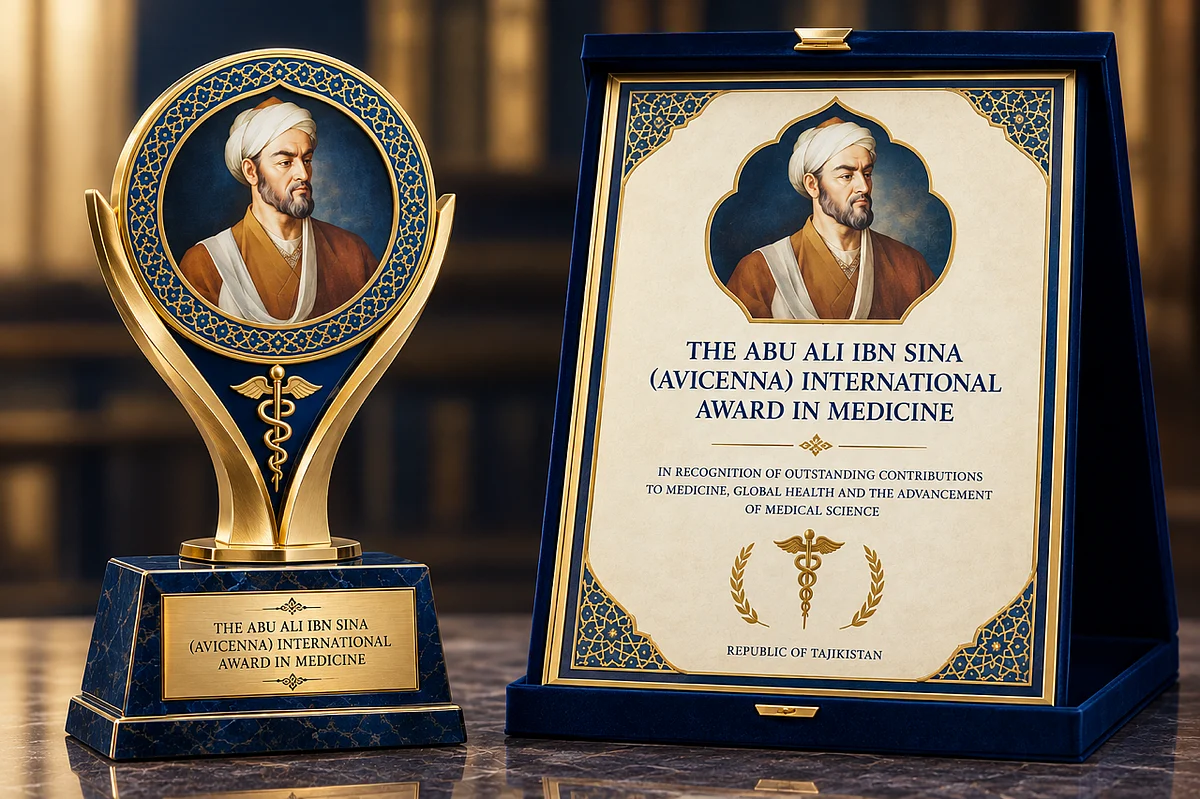
In a bid to bolster Tajikistan's position on the global scientific stage, President Emomali Rahmon recently signed a decree establishing the Abu Ali Ibn Sina (Avicenna) International Prize in Medicine. This follows Tajikistan's commitment to preserving its rich history and scientific heritage since gaining independence. The prize aims to recognize outstanding achievements in medicine, support scientific research, and encourage further advances in medical science.
Ibn Sina, also known as Avicenna, was a renowned philosopher, scientist, physician, and scholar whose works have shaped the world of medicine for centuries. His contributions include the Canon of Medicine, a comprehensive medical encyclopedia that served as a primary reference for over 600 years. His systematic approach to medical knowledge, including anatomy, physiology, diagnosis, and treatment, laid the groundwork for modern clinical medicine.
The new international prize will not only honor Ibn Sina's legacy but also serve as a platform for scientific cooperation, transnational research networks, and medical diplomacy. The government of Tajikistan will oversee the prize's regulations, while other countries are expected to engage with this initiative, fostering international collaboration and showcasing the potential of Tajikistan's scientific community on the global stage.
Written by urgent.news from Gulf News's reporting — not their text. Machine-written — may contain errors; check the original before relying on it.