Safeguarding Indonesia's AI future
Relying solely on executive orders and administrative decrees is fundamentally insufficient for a technology this consequential.
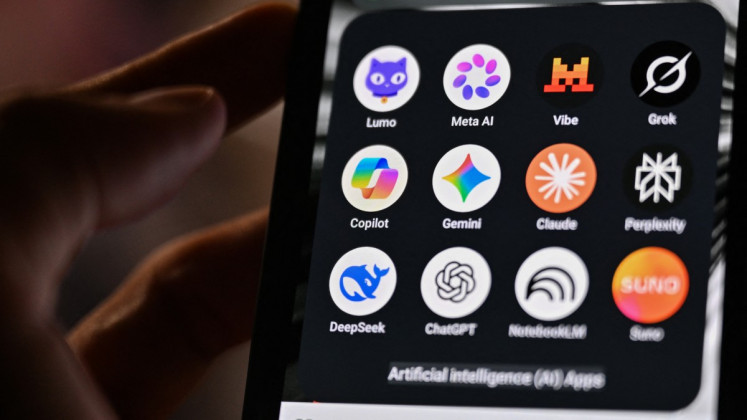
Indonesia is accelerating its adoption of artificial intelligence (AI) technologies across various sectors, including agriculture, finance, and healthcare. This rapid growth in AI usage promises significant economic value for the country, but it also raises concerns about potential harms. For instance, generative AI tools are being exploited for malicious purposes, such as voice-cloning scams targeting the elderly and the creation of deepfakes to influence public opinion.
Additionally, automated decision-making processes in consumer lending could exacerbate existing socio-economic biases, while unrestricted web scraping could threaten the livelihoods of local artists, journalists, and content creators through intellectual property theft. AI-generated content also poses risks of hallucinations in critical sectors like legal analysis and medical diagnostics.
Recognizing these challenges, the Communication and Digital Ministry (Komdigi) has drafted a National AI Roadmap and an AI Ethics Framework following a series of cross-sector consultations. These documents are currently awaiting President Prabowo Subianto's signature as Presidential Regulations. Komdigi's approach to AI governance stands out as it emphasizes flexibility, proportionality, and compliance-by-design, differing from the more prescriptive and heavily punitive framework of the EU's AI Act.
This pragmatic approach is commendable as numerous other nations, including China, South Korea, Brazil, and Singapore, have also begun enacting or drafting similar regulations to manage algorithmic risks. Even the United States, once resistant to strict AI regulations, has seen OpenAI reverse its stance and call for mandatory national AI safety requirements amid fears that the technology may accelerate its own development.
Written by urgent.news from The Jakarta Post's reporting — not their text. Machine-written — may contain errors; check the original before relying on it.