Pet parents and the new culture of consumption — Nurul Fardini Zakaria
SEPTEMBER 20 — “Pet parent” is a term that has become increasingly familiar in everyday conversations....
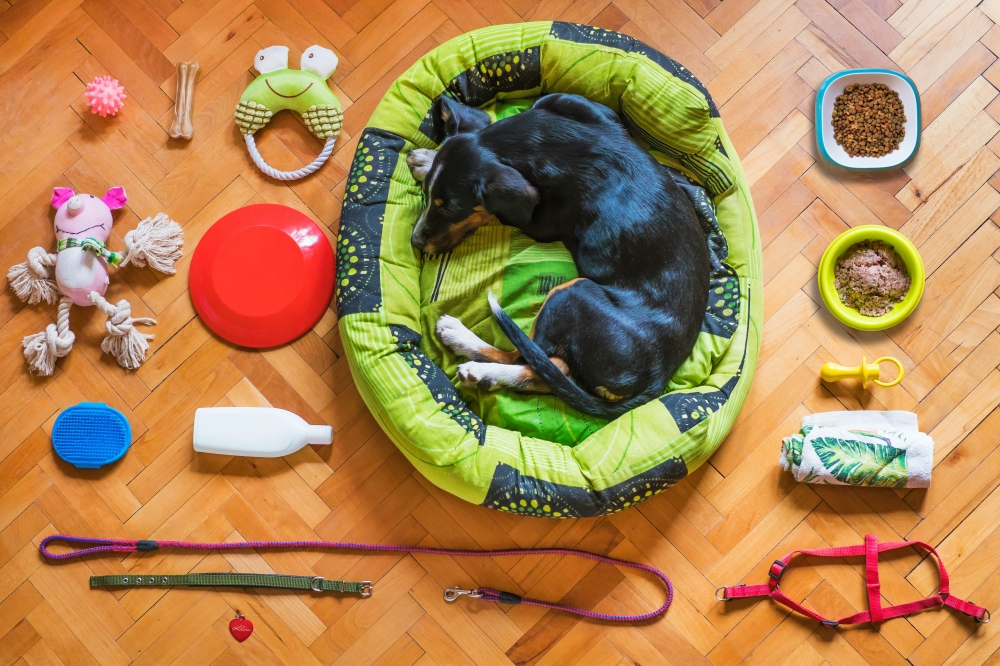
September 20 — The term "pet parent" has become a familiar one in recent conversations, signifying people who view their pets as more than mere animals in their household. Instead, these individuals actively participate in their pets' care, comfort, and overall well-being. This evolving relationship reflects a broader change in how Malaysians perceive their companion animals, recognizing them as cherished companions who deserve attention, care, and a meaningful place within family life.
This shift in perspective is also altering the way people consume products and services related to their pets. Rather than purely necessitated purchases, items like food, healthcare, grooming, toys, accessories, and more often hold deeper significance when they are connected to a loved pet. For pet parents, a seemingly ordinary purchase can transform into an expression of affection, responsibility, and concern for their pet's well-being.
From a consumer behavior standpoint, this phenomenon presents an intriguing case. The items we choose to buy are often influenced by our emotions, values, and the relationships that matter most to us. When these feelings infiltrate the shopping decision, consumption takes on a more personal meaning, and the concept of value becomes more subjective.
While factors like price and quality remain important considerations, emotions can subtly sway the final choice, especially when the purchase is directly tied to someone or something we hold dear. Consequently, a purchase can become an act of responsibility, with spending a bit more seeming justified when the decision is linked to providing superior care for one's pet.
The value of a product extends beyond its functional purpose; it can also hinge on the representation it carries for the buyer. The pervasive impact of social media on pet parenting is another factor shaping consumer behavior. With the constant exposure to how others care for their pets, what they buy, and the lifestyles they cultivate around their furry companions, expectations are being shaped more than ever.
As certain products, services, or routines repeatedly appear in online content, what was once considered optional may begin to feel like an essential aspect of responsible pet parenthood. This online visibility can encourage people to explore new products and services, but it can also create a sense of obligation, pressuring individuals to do more.
Marketers have taken note of this evolving behavior, recognizing that the emotional bond between pet parents and their pets presents a unique opportunity to engage consumers on a deeper, more personal level. Products and services are increasingly crafted around themes of comfort, wellbeing, convenience, and lifestyle, aiming to convey a message of better care rather than simply offering a product for purchase.
The focus shifts from the product itself to the kind of care the consumer wishes to provide. This transformation in value communication emphasizes the connection between affection, responsibility, and overall wellbeing, making the product feel more meaningful when it aligns with these sentiments. From a marketing perspective, this enables businesses to communicate value based on emotional resonance rather than purely functional attributes.
However, this shift in consumer behavior also presents challenges. Responsible consumption necessitates that individuals discern genuine needs from products or services that are merely appealing or heavily promoted. The distinction between a more expensive choice that genuinely enhances wellbeing and an extravagant selection that merely adds to one's shopping list is crucial.
Similarly, a simpler choice does not imply a lack of care; it simply suggests that it may not be the most suitable option for that particular situation. Businesses play a vital role in navigating this landscape. While marketing can inform and inspire consumers, it must refrain from making people feel inadequate for not being able to afford every available product or service.
The responsibility lies in ensuring that emotional attachment does not inadvertently morph into feelings of guilt, as the affection for one's pet should never be used as a guilt-tripping tool. Ultimately, the growing presence of pet parents represents a broader shift in consumer behavior, where emotional significance increasingly permeates purchase decisions.
The pet market serves as a prime example of how consumption can become intertwined with identity, affection, and responsibility. Businesses that understand this emotional dimension can devise more meaningful marketing strategies, while consumers must recognize that not every emotional need necessitates a purchase. The real question may not be how much we spend on our pets, but how susceptible our love can make us to the influences of what we are willing to buy.
Nurul Fardini Zakaria is a senior lecturer in Marketing at the School of Business Management, Universiti Utara Malaysia, with expertise in consumer behaviour, digital marketing, sustainable consumption, and consumer welfare.
Written by urgent.news from Malay Mail's reporting — not their text. Machine-written — may contain errors; check the original before relying on it.