Named as an enemy: Indonesia’s uneasy Aukus moment
A former Australian official’s use of a hypothetical “aggressive Indonesia” to make the case for Aukus at a public inquiry has been called “clumsy diplomacy” by analysts, who say the comments risk reviving old suspicions as Jakarta and Canberra try to strengthen security ties. Michael Pezzullo, a former deputy secretary of strategy in Australia’s defence department, made the remarks in testimony…
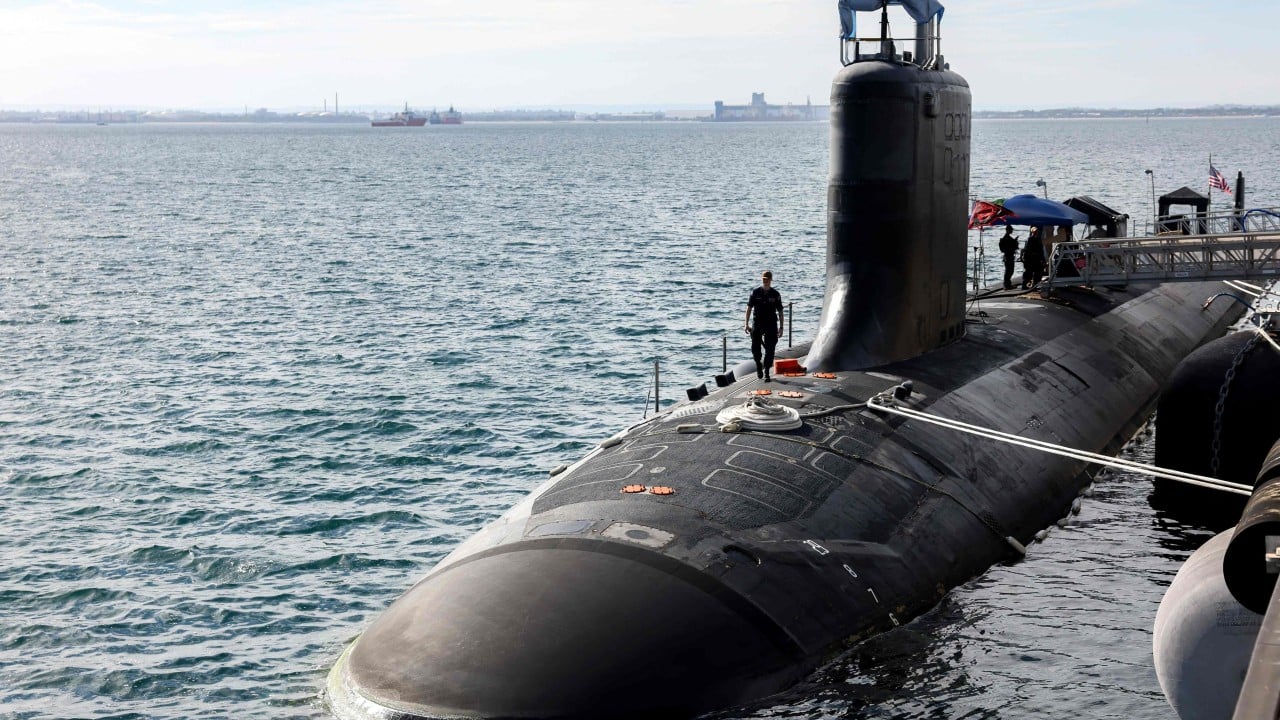
Former Australian official Michael Pezzullo's references to an "aggressive Indonesia" in support of Aukus during a public inquiry have been criticized as "clumsy diplomacy" by analysts. The remarks, made on September 2 to the Aukus Public Inquiry, risk reigniting tensions between Jakarta and Canberra as they work to strengthen security ties.
Pezzullo argued that Aukus' nuclear-powered submarines provided the best path to undersea military dominance, illustrating how Australian forces would aim to "rapidly destroy as much of the enemy's fighting power as possible" without relying on the United States or other allies. Indonesian defense officials expressed unhappiness with Pezzullo's comments, advising against publicly mentioning one's adversary when relations are good.
The fallout could potentially strain ties, as both nations have had strained relations in the past, including during the Konfrontasi and Australia's 1999 intervention in East Timor. However, analysts believe that current efforts to build trust, such as regular high-level consultations and joint military exercises, indicate that relations are moving beyond past conflicts.
Indonesia's primary concern regarding Aukus is the practical risks posed by the nuclear submarines themselves, such as potential environmental impacts. Experts suggest that Indonesia should enhance its underwater capabilities through "Track 1.5 diplomacy" to address concerns and reduce remaining suspicions between the two nations.
Written by urgent.news from South China Morning Post's reporting — not their text. Machine-written — may contain errors; check the original before relying on it.