Naftogaz, MOL Partner to Build Fuel Storage Near Hungarian Border
Naftogaz and Hungarian energy group MOL signed a memorandum of understanding during the inaugural Carpathian Eight summit to construct petroleum storage facilities in Hungary near the Ukrainian border. The cross-border project is designed to safeguard strategic fuel reserves from Russian air strikes and guarantee reliable domestic supplies ahead of winter.

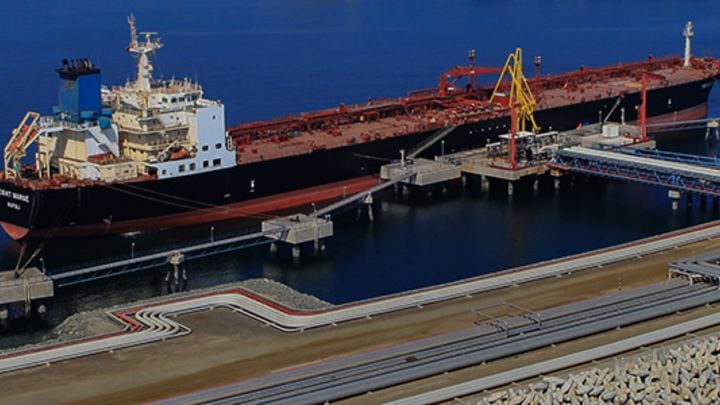
Ukrainian state oil and gas corporation Naftogaz and Hungarian energy conglomerate MOL Downstream have signed an agreement to build refined petroleum storage facilities near the Hungarian border, close to the Ukrainian border. This memorandum of understanding was finalized during the inaugural meeting of the "Carpathian Eight" regional cooperation format. The framework will facilitate the evaluation and development of dedicated fuel storage infrastructure to supply the Ukrainian domestic market.
Naftogaz Acting Chairman Serhiy Fedorenko emphasized the importance of strategic reserves outside Ukrainian territory to protect fuel supplies from Russian missile and drone attacks. He stated that diversifying supply routes and creating additional storage capacities outside the bombardment zone is crucial for market stability. Fedorenko believes that the joint project will enhance fuel supply reliability for Ukrainian consumers and promote cross-border energy infrastructure development between Ukraine and Hungary.
Prime Minister Serhiy Koretskyi, addressing the 22nd Annual Meeting of the Yalta European Strategy in Kyiv, highlighted Ukraine's progress in reinforcing national energy resilience. While fully defending all assets is unfeasible, Ukraine is better prepared to withstand winter attacks compared to previous years. The government's focus is on decentralizing critical energy, heating, and water supply networks across municipalities to prevent widespread power outages during concentrated strikes.
Koretskyi noted that Ukraine has met its winter natural gas storage target a month early, with underground storage capacity reaching 14.6 billion cubic meters as of late August. State support of Hr 6.8 billion ($152 million) has been allocated for backup power generation and physical barrier defenses at residential buildings, local boiler facilities, and district heating pipelines.
Written by urgent.news from Kyiv Post's reporting — not their text. Machine-written — may contain errors; check the original before relying on it.