Monster: The Lizzie Borden Story Review
Monster: The Lizzie Borden Story aims to be an insightful commentary on female rage, but it never commits to how it wants to convey that message.
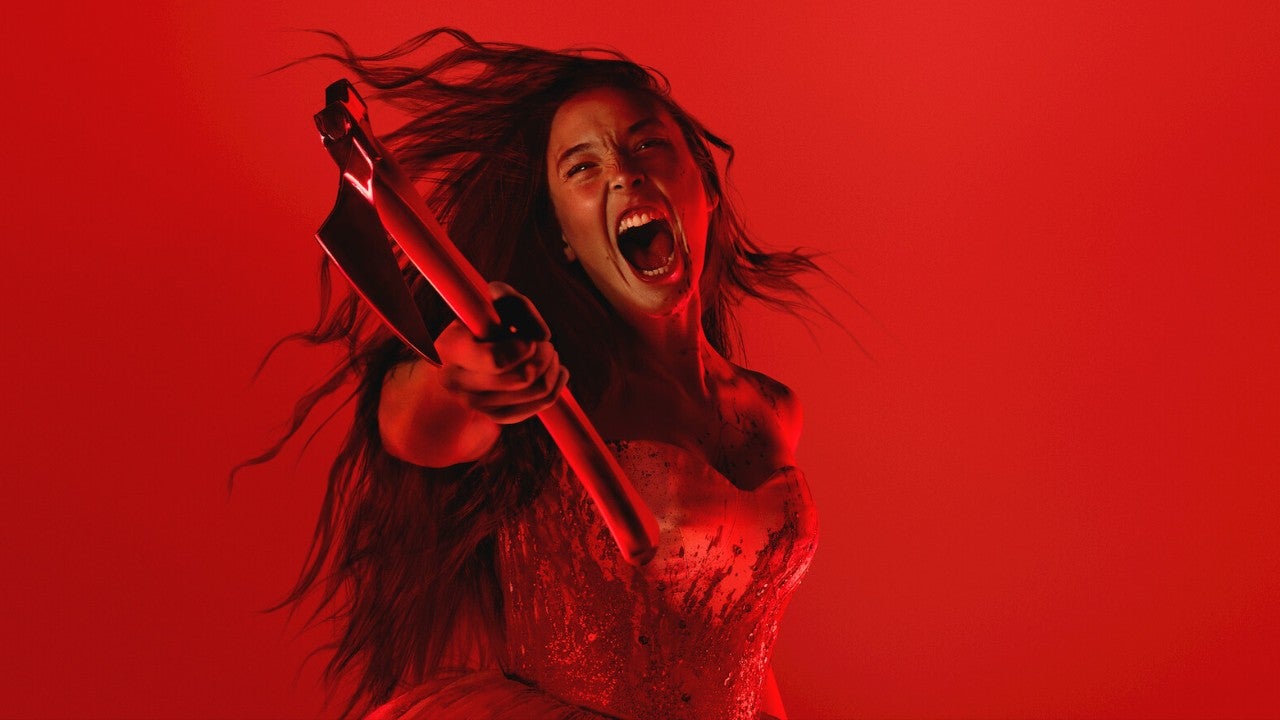
Monster: The Lizzie Borden Story, the fourth installment in Ryan Murphy and Ian Brennan's true crime Netflix series, debuted on the streaming platform. The show covers the 1892 murders of Andrew and Abby Borden in Fall River, Massachusetts, with Lizzie Borden (Ella Beatty) as the accused. Despite being acquitted by an all-male jury, the narrative emphasizes the theme of "a legacy of female rage."
The show also introduces other infamous women, such as the Blood Countess and serial killer Aileen Wuornos, to underscore this point. Ella Beatty plays Lizzie, whose story changes throughout the series, while Vicky Krieps portrays the Blood Countess. The show's initial episodes, directed by Max Winkler, are characterized by theatricality and rapid-fire scenes, reminiscent of Baz Luhrmann's style.
However, the tone shifts as Sarah Adina Smith takes over, offering stronger episodes. Rebecca Hall and Charlie Hunnam play the Borden couple, with Hall's portrayal of a cruel stepmother and Hunnam's boorish and disenchanted husband. The show tries to add a modern overlay by featuring Aileen Wuornos (Sarah Paulson), whose story is more compelling and allows for a focused exploration of feminine rage.
However, the attempt to modernize the period story often feels forced and detracts from the overall narrative. The performances by Hall and Hunnam, while strong in their respective roles, don't quite elevate the show beyond a campy, virtue-signaling exercise.
Written by urgent.news from IGN's reporting — not their text. Machine-written — may contain errors; check the original before relying on it.