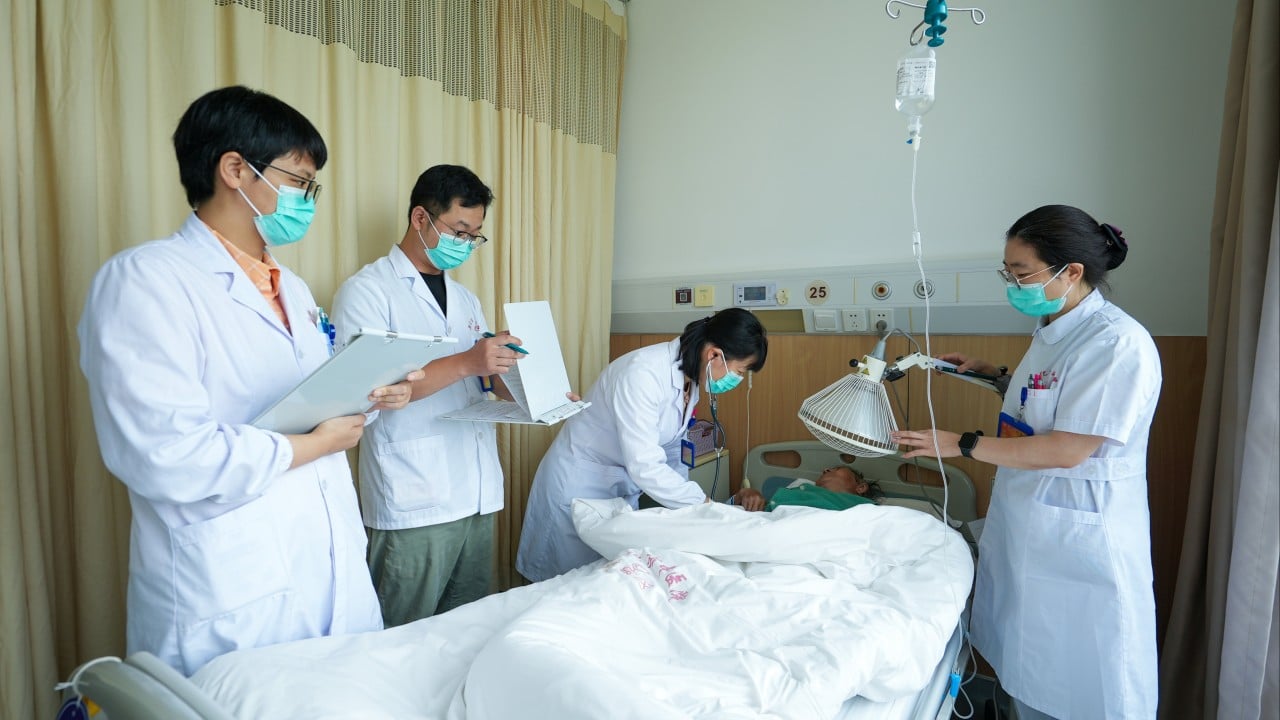
Low pay, job insecurity for China’s trainee doctors a turn-off for young talent
Huang Qiaoyuan has just a year to go before she completes her undergraduate medical training in southern China, but she is thinking of quitting the field and going into consulting. Huang, a fifth-year clinical medical student in Guangxi Zhuang autonomous region, said she was initially drawn to the idea of being a doctor during the Covid-19 pandemic, when the contributions of health workers came…
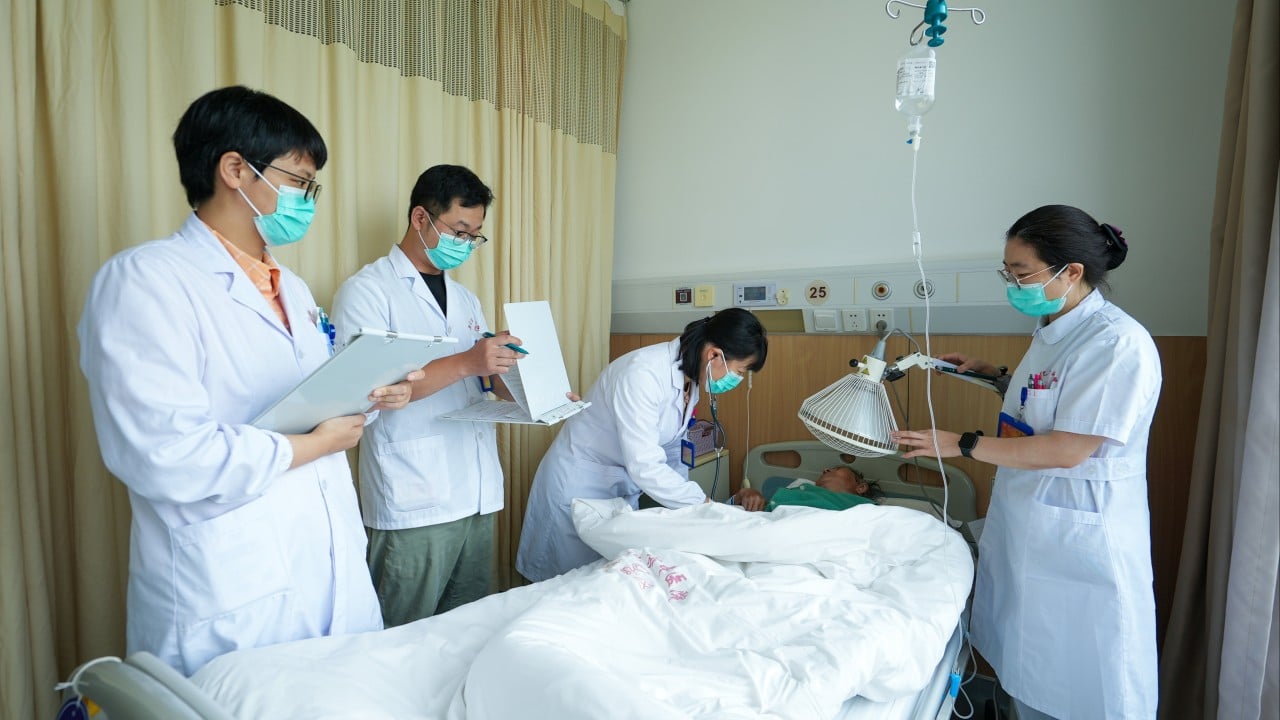
China's trainee doctors are facing low pay and job insecurity, causing many young talents to reconsider their career choice. Huang Qiaoyuan, a fifth-year medical student in Guangxi Zhuang autonomous region, initially chose medicine during the Covid-19 pandemic, but now plans to pursue a career in consulting due to the unfavorable work conditions.
Her experience in a 12-month unpaid internship was filled with mundane administrative tasks and little hands-on experience. Huang mentioned that job opportunities, low pay, and heavy workloads were the main factors driving the decline in the medical profession's appeal. This trend is evident in the admission rates to medical schools, with the lowest-scoring Zhejiang candidate admitted to study medicine at Sun Yat-sen University being 1,300 places lower in the exam rankings compared to the previous year.
The situation is even more severe among candidates from Guangdong province, where the minimum entry threshold for Southern Medical University fell by over 10,000 places compared to 2025. The decline is concentrated among the five-year clinical medicine programs, and graduates with these degrees must complete three years of residency, which has become increasingly competitive.
Residency programs often involve long hours, low pay, and a lack of financial safeguards compared to the United States, where many resident physicians are salaried hospital staff with benefits such as health insurance and paid time off. The shift away from traditional medicine can also be attributed to emerging degree subjects like artificial intelligence, which is growing in appeal among students.
Written by urgent.news from South China Morning Post's reporting — not their text. Machine-written — may contain errors; check the original before relying on it.
This story
This is one outlet's version. Read the fullest account.