La patria de Mbappé
La pregunta es si un cuerpo que llega tiene todavía derecho a ser mirado como un ‘alguien’ antes de ser instrumentalizado
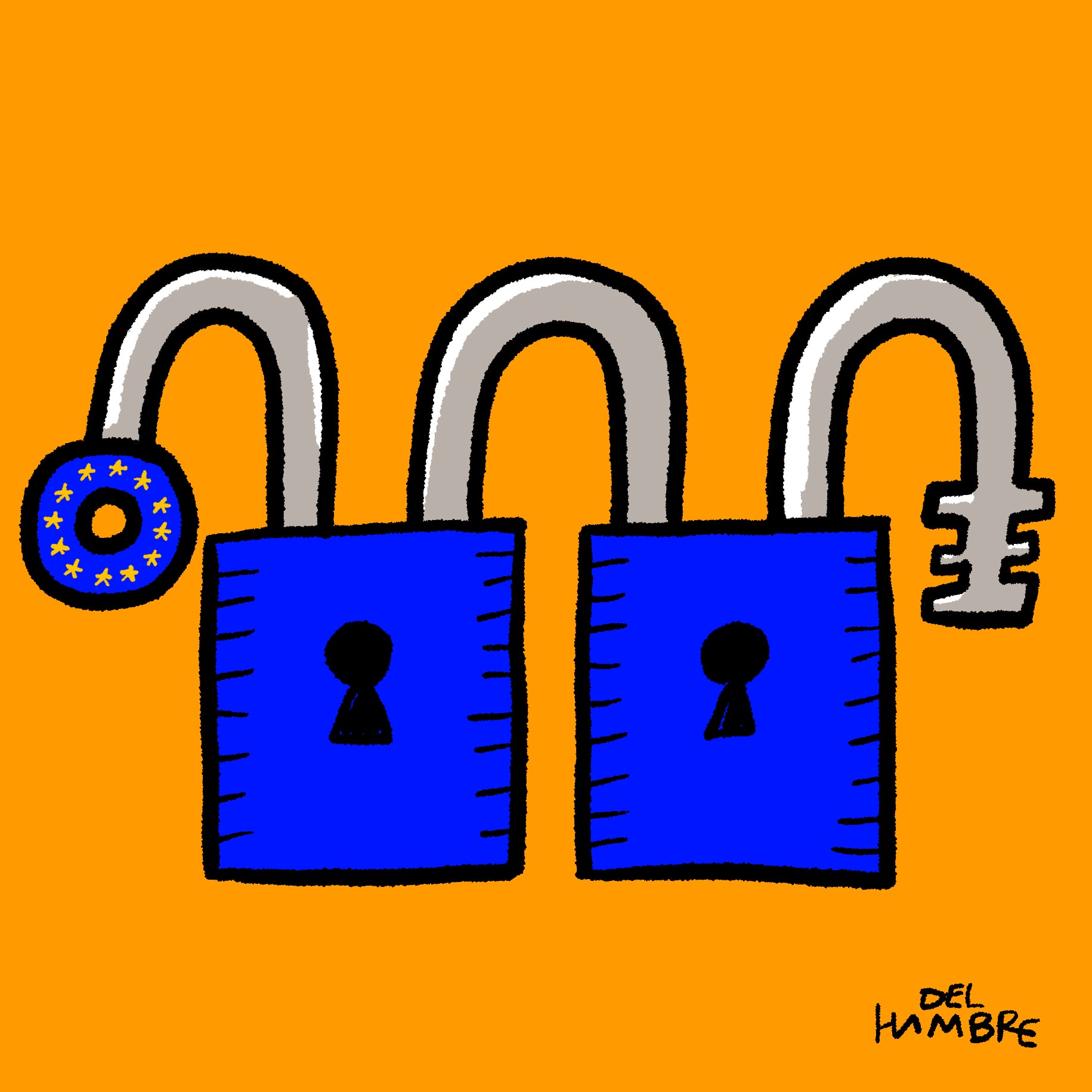
In a speech in Strasbourg, Ursula von der Leyen suggested converting Canada into Europe's first "associated member," a "reinforced association," rather than full membership. This, she implied, marked a shift from seeing Europe as a geographic location to understanding it as a concept of shared values - democracy and the rule of law - rather than a simple location on the map. She stated that being European is not about being born within a boundary, but subscribing to what Europe defends.
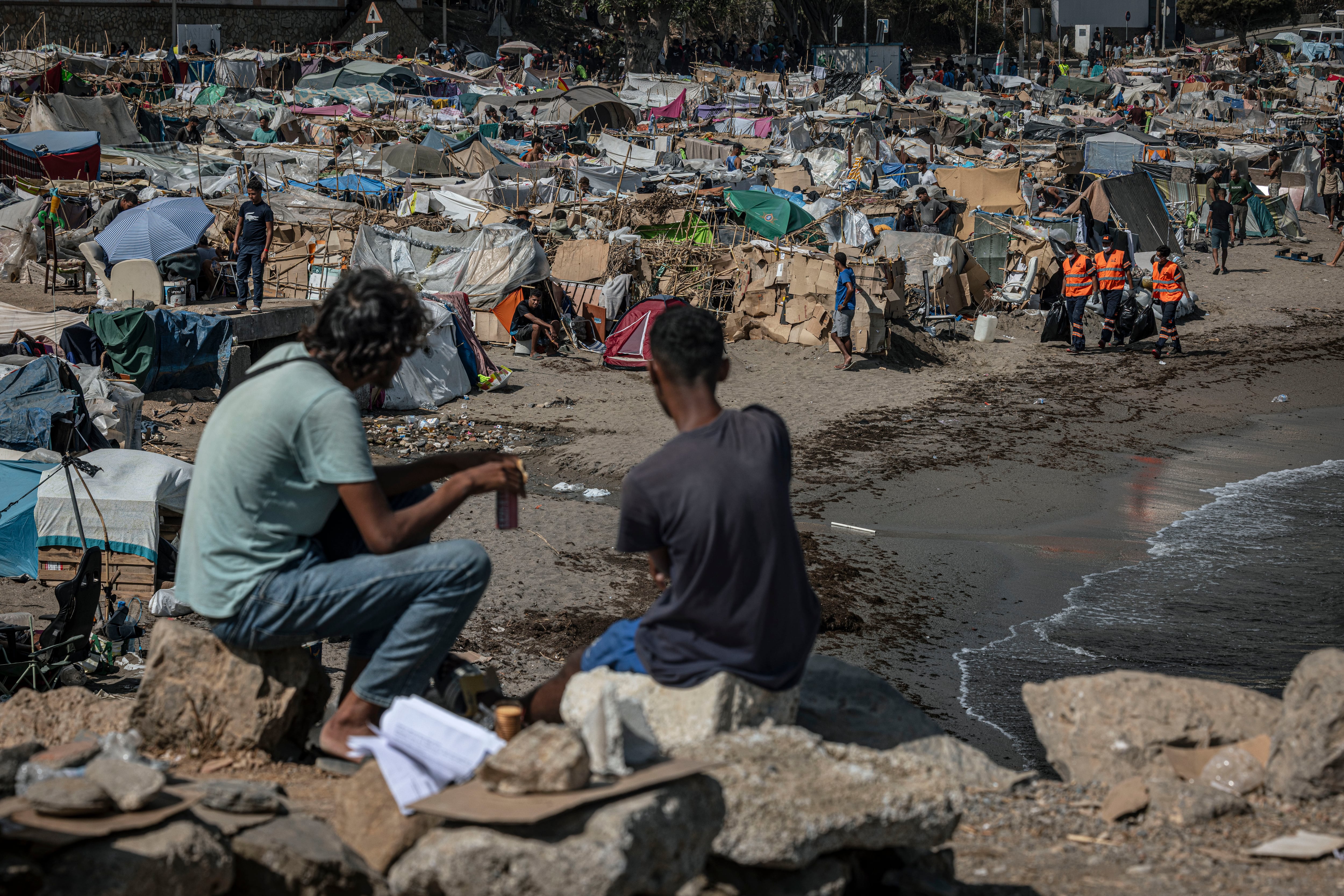
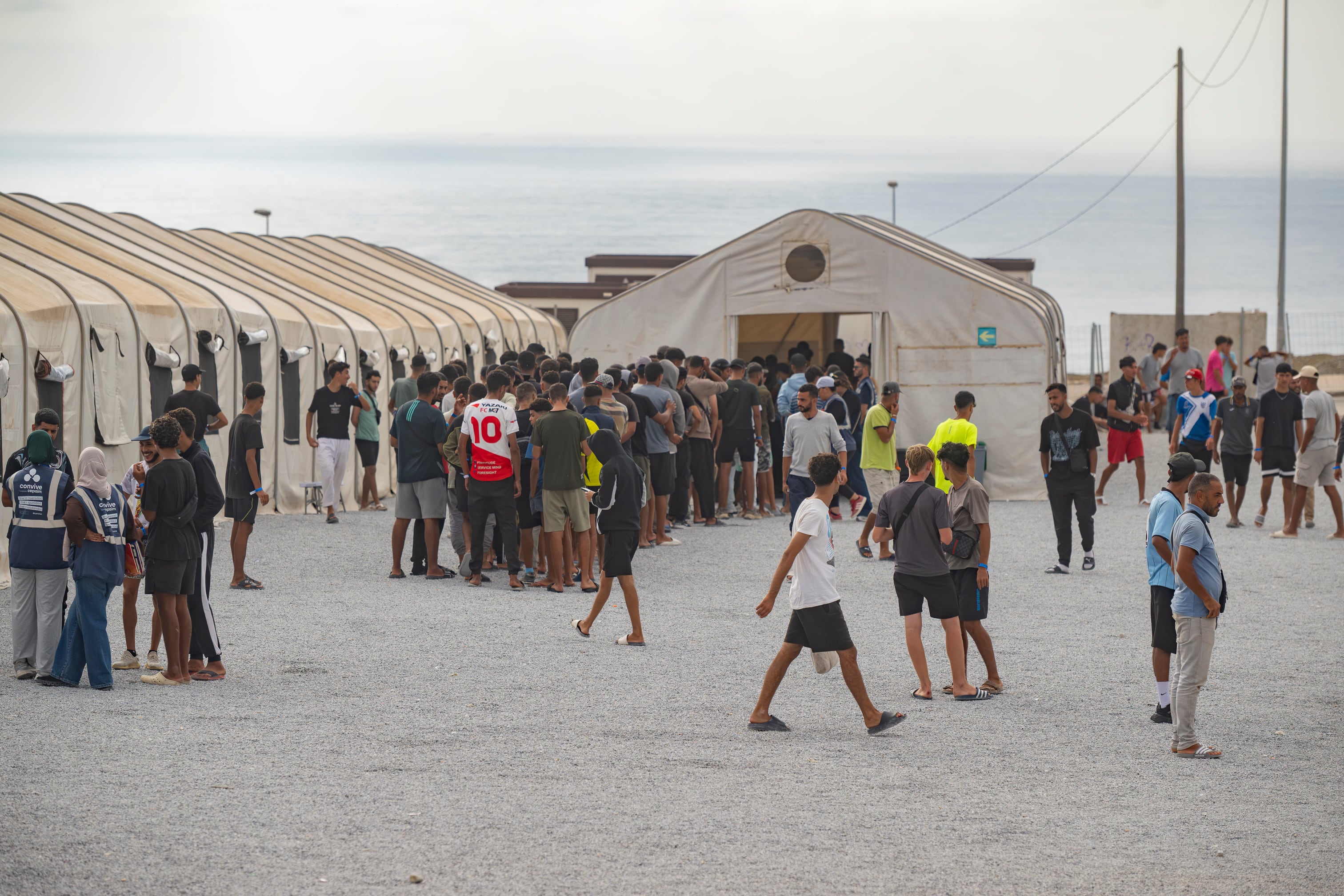
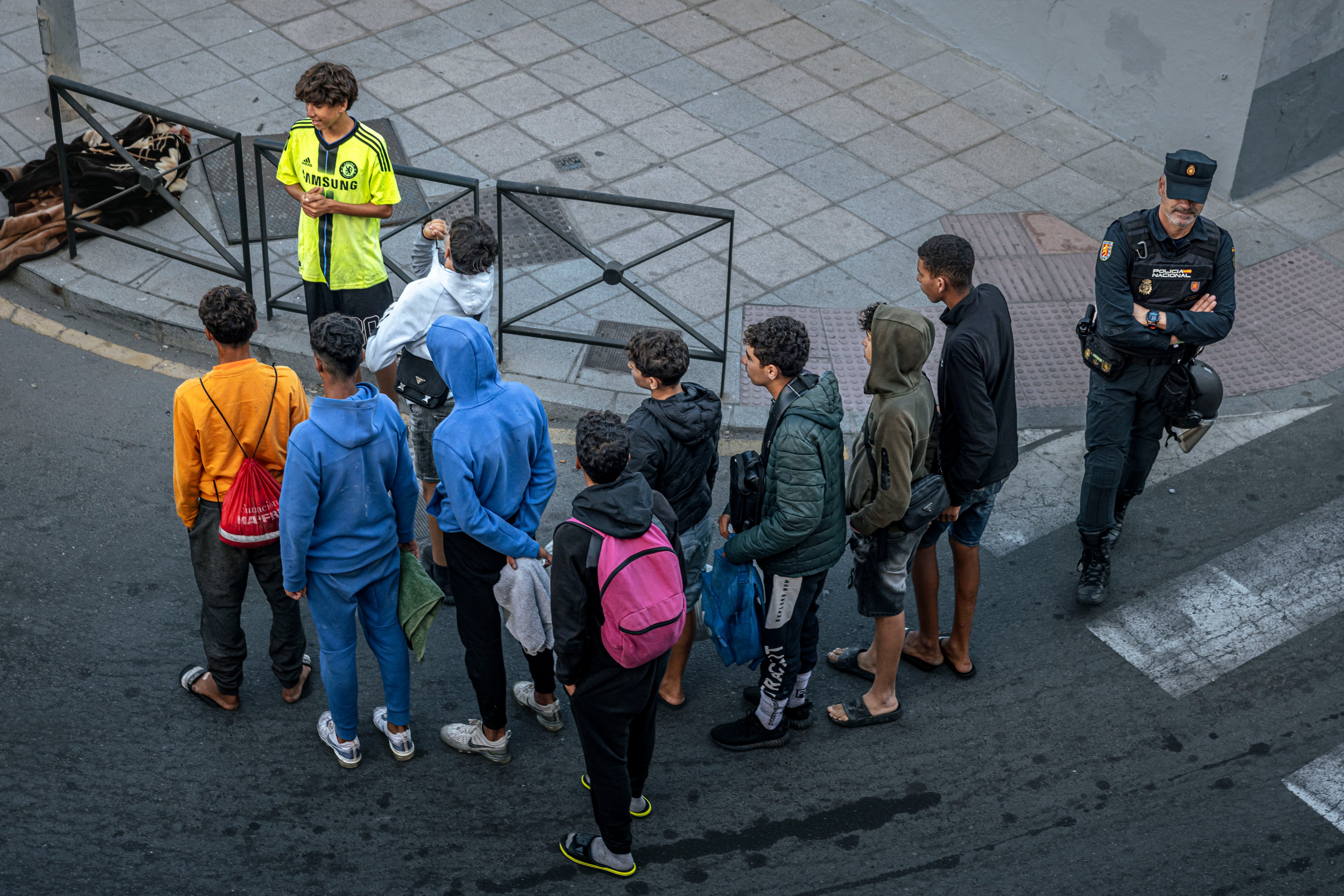
This seemingly inclusive vision was quickly overshadowed by the focus on Europe's southern border. Von der Leyen declared that all external borders are European borders and introduced an emergency mechanism designed to handle influxes similar to the one from Ceuta. The map once again took center stage, but this time as a line to keep others out. The border was not a criterion for belonging, but a defensive line.
This paradox is evident in the way Ceuta's arrivals are treated. Physically, those who have reached Ceuta are inside Europe. However, they are not a question of their rights, but a mechanism managed to expel them. For Morocco, Ceuta is a weapon, a form of hybrid attack; for those who shout "Send them back!" it is an invasion; and for those managing the border, it is a number on a spreadsheet.
Three different perspectives, but none of them discuss people, only bodies that can become weapons, invasions, and figures that add up or are crossed out.
Written by urgent.news from El Pais's reporting — not their text. Machine-written — may contain errors; check the original before relying on it.