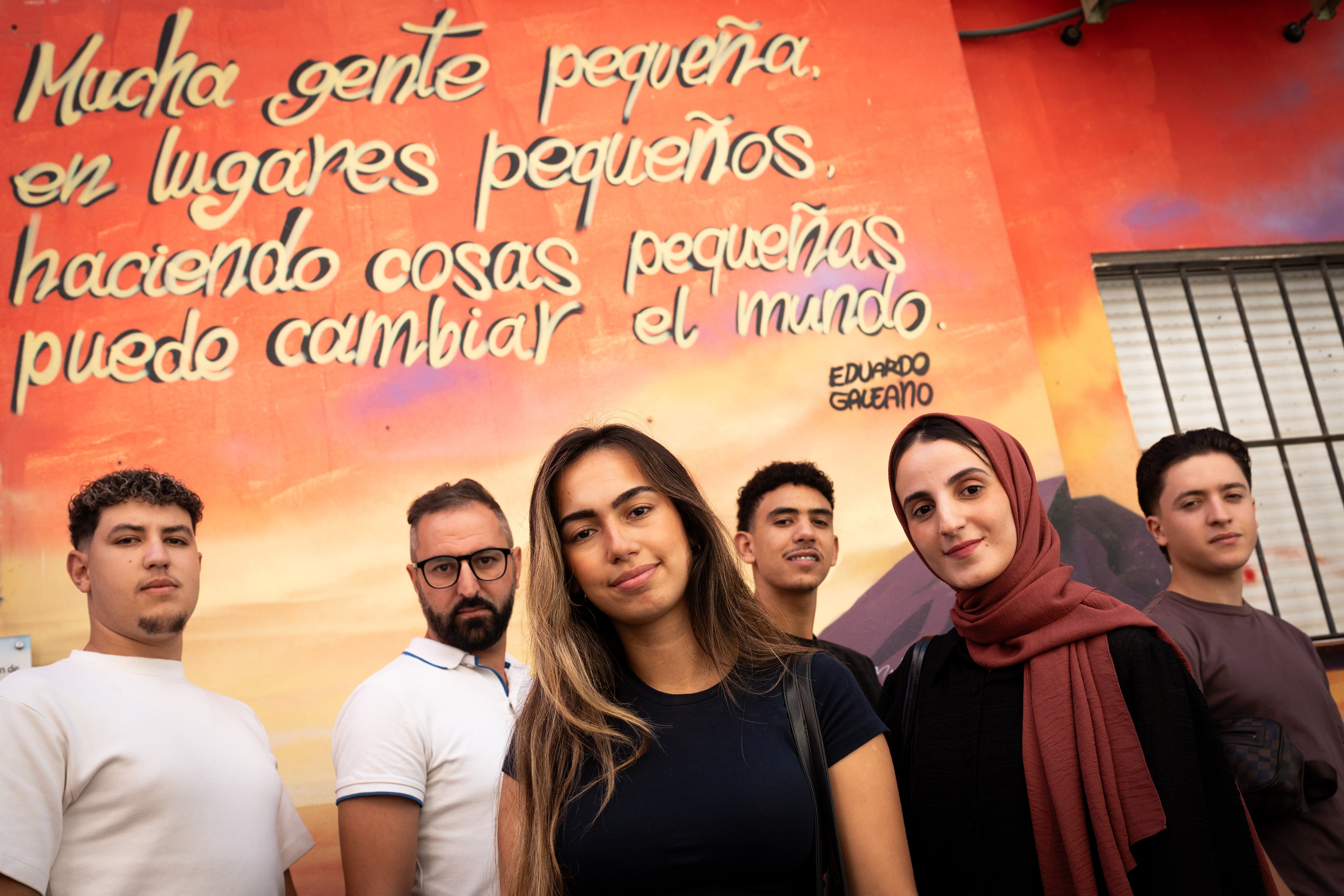
Ceuta se resigna a vivir en la excepción
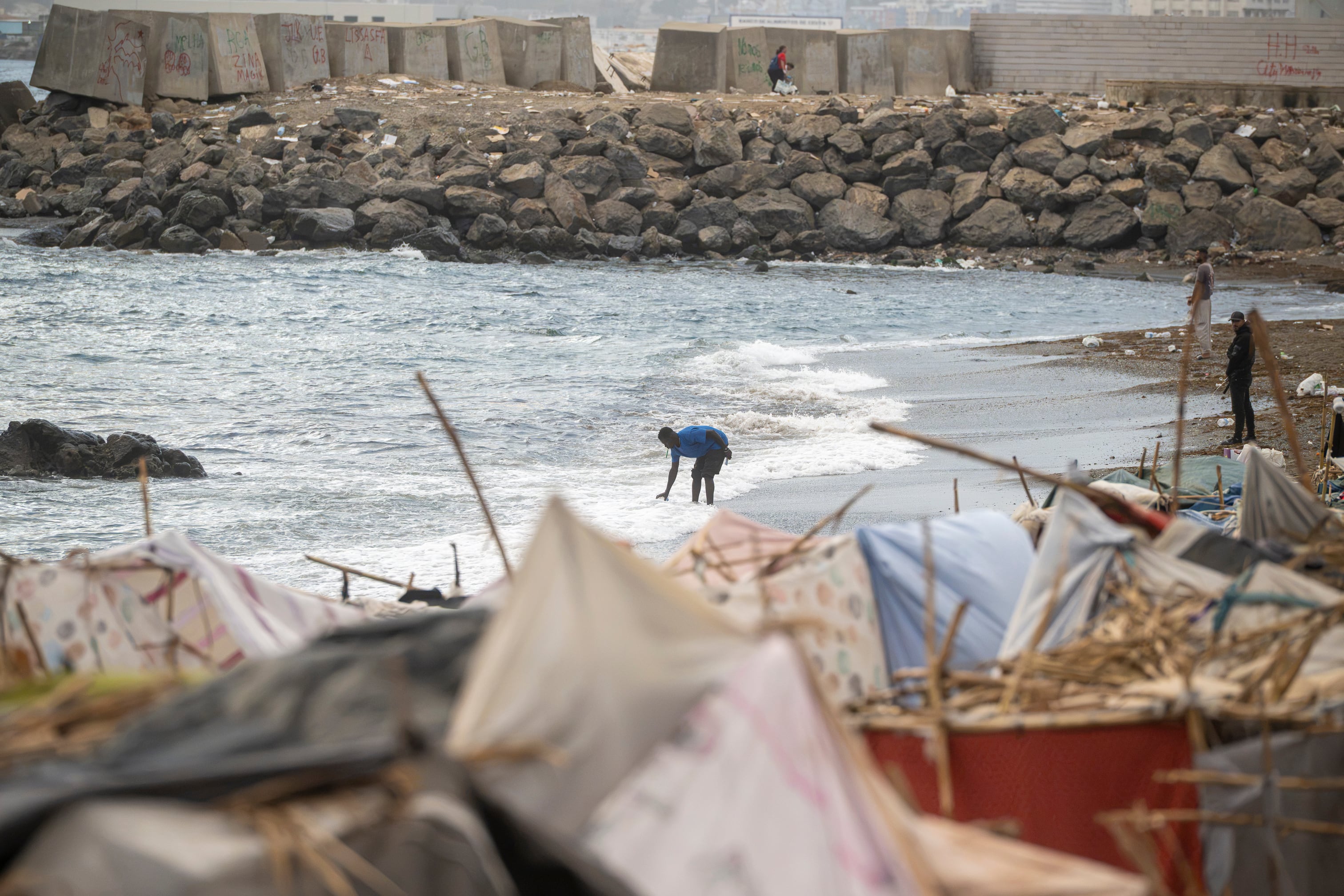
El traslado del viernes de 1.700 inmigrantes apenas se ha notado en las playas. Más de 4.000 duermen aún en ellas y en las calles de la ciudad. Sus habitantes se preguntán cuánto más va a durar la crisis
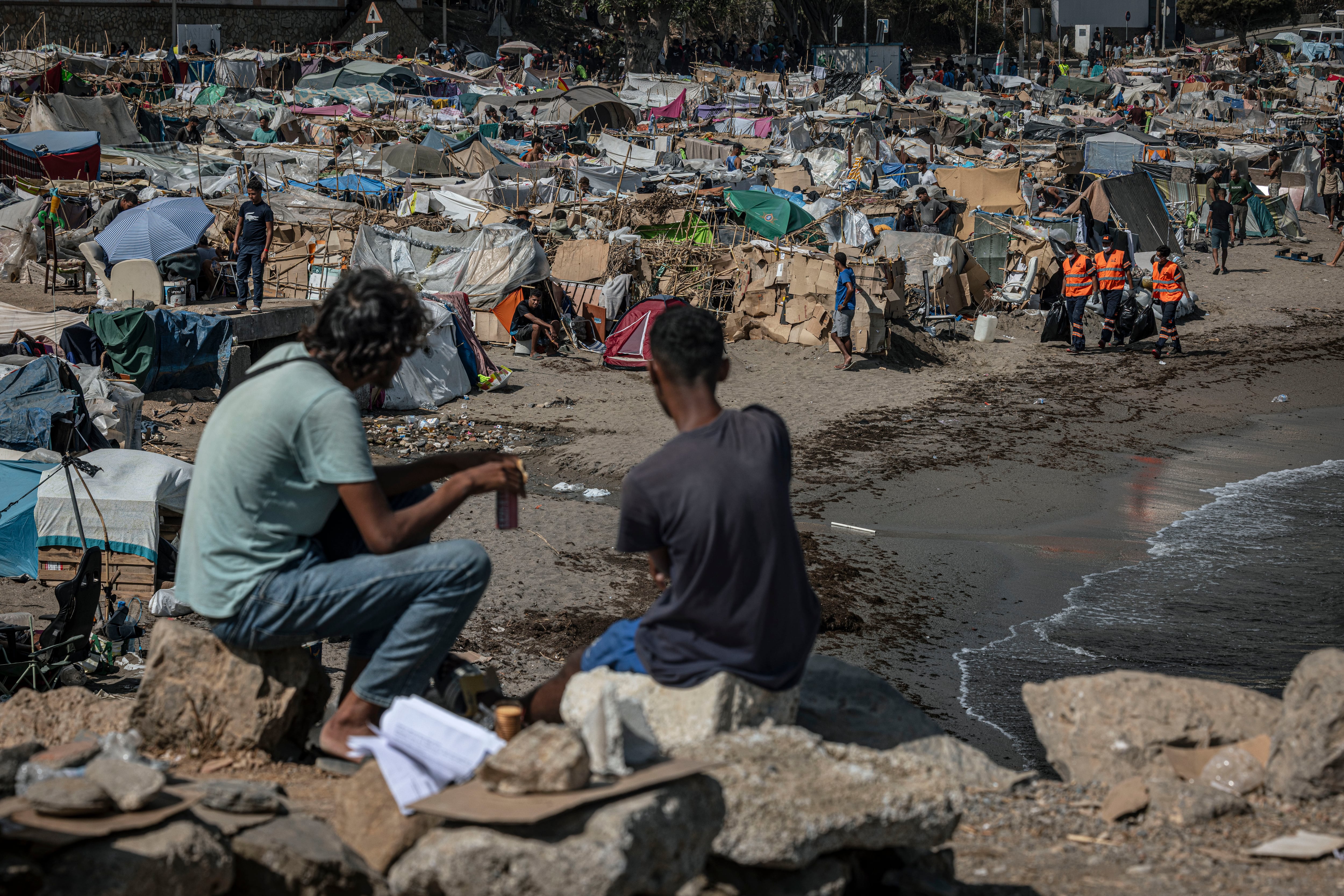
Husam Yamal and Samir Bonaya woke up very early on Saturday morning at El Trampolín beach in Ceuta, where they have been sleeping in a tent since illegally entering through the border on July 30. The 33-year-old and 26-year-old Argentinians are painters, and according to videos shown on their phones, they are skilled and meticulous.
Ceutians hire them for a day's work, sometimes for 50 euros each, sometimes for 20 euros for both. There is no fixed price; they must accept whatever is offered. To find work, they set up at painting supply stores and contacted clients that way. Today, they know where they have to go to work.
Meanwhile, Alejandra Romero, a 40-year-old resident of the city and a surgeon at Ceuta's hospital, goes to her workplace with fear and considerable anxiety. Since the massive influx of immigrants 50 days ago, a guard is a secure passport for her to go mad. "Immigrants come with injuries, with scraped knees, with bruises, with battle wounds: almost two or three a day.
Severe. And I go to work with fear because here there is no plastic surgeon, no cardiologist; I am alone for everything. And if one of those scraped knees touches the heart, I don't know what to do..."
Written by urgent.news from El Pais's reporting — not their text. Machine-written — may contain errors; check the original before relying on it.