Is culture alive?
From Mozart to Madonna, dim sum to doughnuts, Shakespeare to Sartre – not all forms of life need DNA On Mount Athos, in northern Greece, a monk rises before dawn to sing the same office that has been sung on that mountain for more than 1,000 years. He learned it from older monks who came before him, who learned it in turn in an unbroken chain stretching back to Athanasios the Athonite, in AD963.…
The persistence of cultural traditions across millennia is evident in the monks of Mount Athos who chant the same office for over a thousand years. Cultural traditions endure through the unbroken transmission of knowledge and behaviors from one generation to the next, mirroring the unyielding nature of biological life. This suggests that human culture is not just an adjunct to organic life, but a separate expression of life itself.
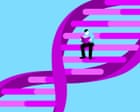
Life is characterized by the encoding, processing, and transmission of information, with genes serving this role in biological organisms. In contrast, cultural information replicates through social learning, not physical DNA, yet it evolves and diversifies much like biological information. This second kind of information has propelled the complexity of the world today, from art and music to technological advancements.
Cultural evolution has outpaced biological evolution in humans. As hominins adapted to the challenges of ice ages, cultural innovations like tool-making and fire control became more crucial than genetic adaptations. The advent of language, a key component of culture, revolutionized information transmission. Language, evolving from simple to complex systems, facilitated teaching, learning, and a rapid spread of knowledge and skills, accelerating cultural evolution.
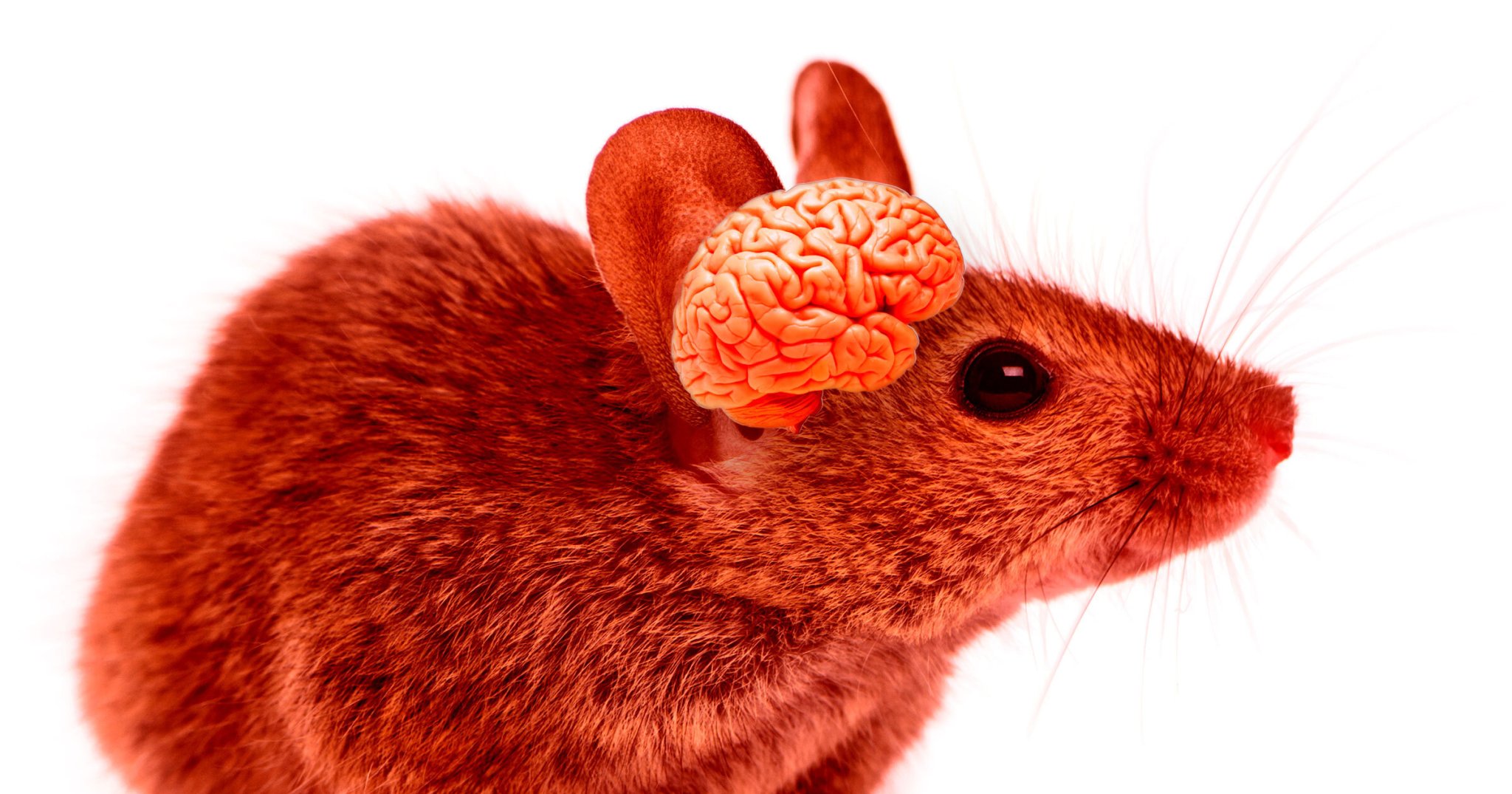
The symbiotic relationship between language, culture, and the human brain has led to remarkable advancements. As language became more complex, it enabled the hardwiring of specific words and phrases in our brains, a novel development that set humans apart from other species. This complex interplay between language, culture, and our neurological makeup has shaped the diverse array of human experiences and achievements, from Mozart to Madonna, dim sum to doughnuts, and from St. Peter's Basilica to the Taj Mahal.
Now, as we stand on the brink of a new phase in life's history, artificial intelligence capable of self-replicating code emerges as a potential third form of life and evolution. This development could redefine our understanding of life and evolution, marking a pivotal moment in human history. By studying the past, we can better prepare for this future and navigate the unprecedented challenges and opportunities it may bring.
Written by urgent.news from Guardian Science's reporting — not their text. Machine-written — may contain errors; check the original before relying on it.