Inside Mexico’s gay cowboy parties: Tequila, dancing and romance
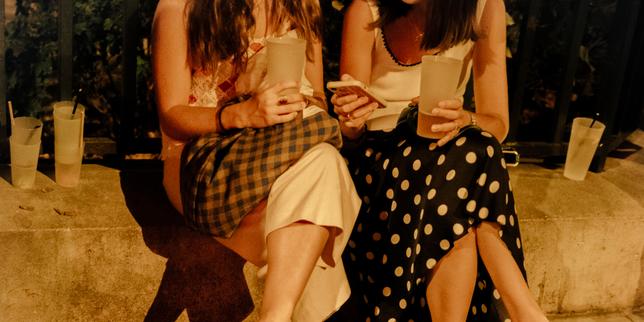
About a thousand men dressed as cowboys gather in cities across northern Mexico to drink, dance cheek to cheek, and flirt. Photographer Pablo Sáez and writer Guillermo Osorno explore the world behind these colorful, boisterous cowboy parties in a new book
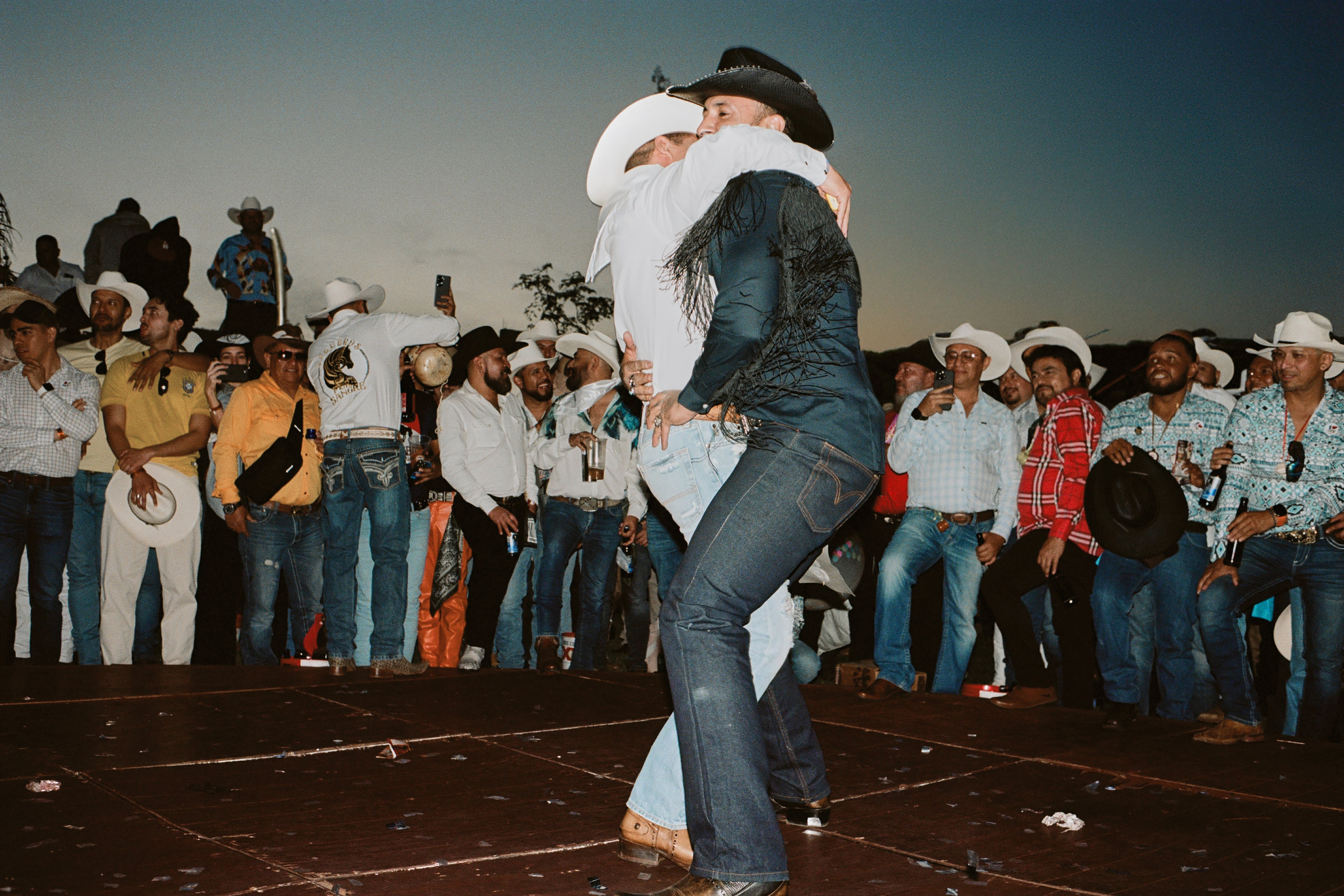
Every spring, thousands of cowboys gather in cities across central and northern Mexico for a unique convention. It's not a discussion about cattle farming or calf rope techniques, but rather a celebration of their shared interests and passions. These events serve as opportunities to meet other men who share the same passions, make friends, and potentially find romance.
Gay cowboy parties have become symbols of identity, resistance, and activism in Mexico and the United States. They offer a safe space for LGBTQ+ individuals to express themselves and dress the way they want, free from judgment.
Guillermo Osorno, a Mexican journalist and writer, attended one of the largest gay cowboy gatherings in Zacatecas in April 2025. Accompanied by Spanish photographer Pablo Sáez, Osorno documented the social and intimate lives of the men attending the parties. The result of their journey into this world is a photography book titled Vaquero (Cowboy).
The outfits are instantly recognizable, featuring cowhide, crocodile, or ostrich-skin boots, tight-fitting skinny jeans, python-skin belts, flamboyant shirts, wide-brimmed felt or palm hats, and more. These outfits embody the cowboy archetype, with subtle variations in color, fabric, or leather.
The parties typically last for three to four days, featuring live music, dancing, and plenty of food. The soundtrack consists of cumbia sonidera, a distinctly Mexican style closely associated with sonideros, and corridos norteños, which tell stories of love, heartbreak, and drug trafficking. Attendees come from various backgrounds, including teachers, police officers, nurses, and veterinarians.
While many identify as cowboys by profession, others are from ranching families or have adopted the aesthetic as a form of self-expression and fetishism. The gatherings attract people of all ages and body types, with a majority being middle-aged and older men. Age is valued in this community, as it provides a sense of belonging and safety in a society that is often homophobic.
Written by urgent.news from El Pais English's reporting — not their text. Machine-written — may contain errors; check the original before relying on it.