India Needs A Law To Protect Students, Urgently
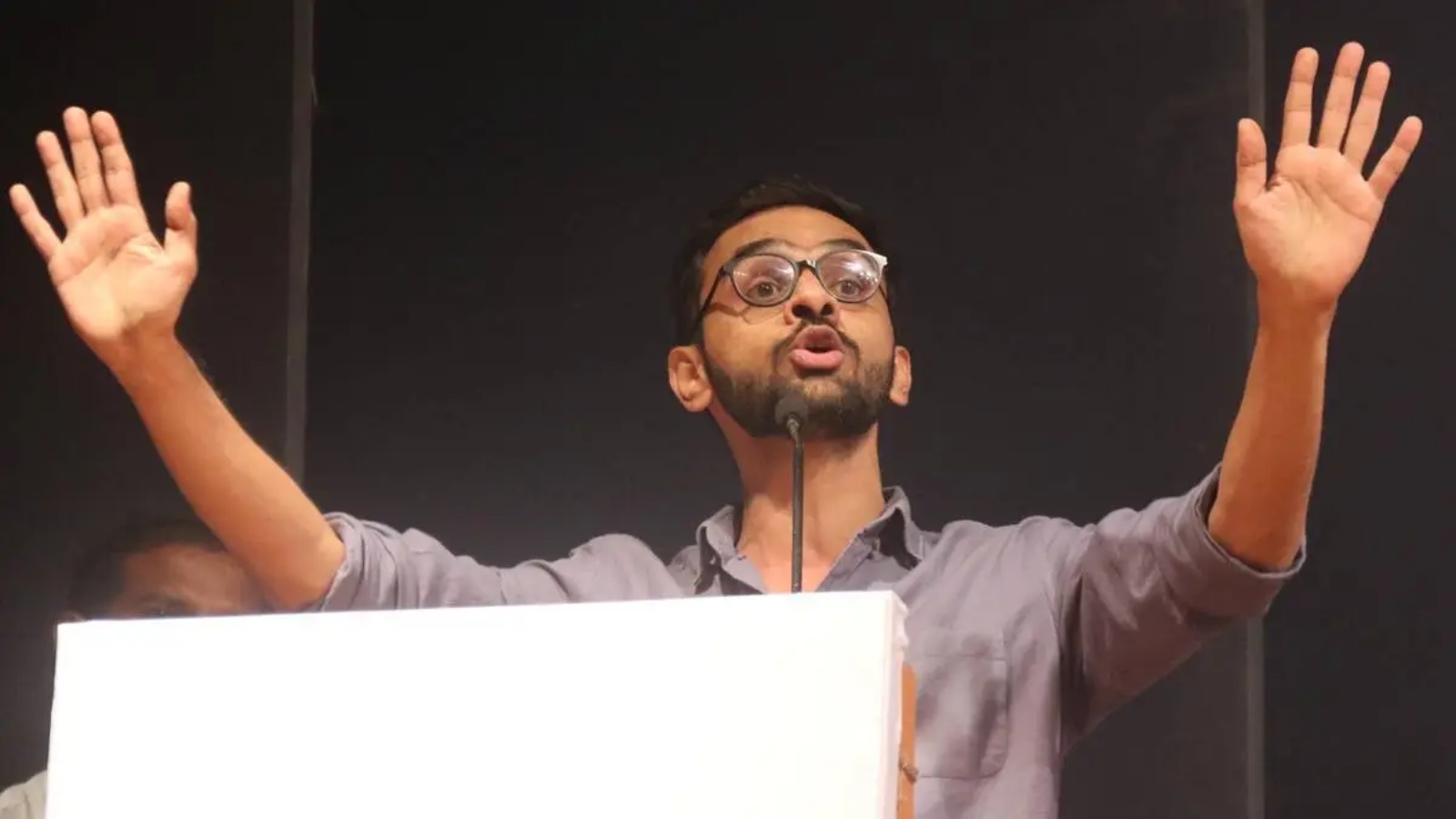
The death of a student at IIT Bombay by suicide has once again brought to the fore the issue of students taking their own lives due to unaddressed distress. In the latest case, the tragic decision taken by the student, Sahil Wakode, has reopened the debate on whether Higher Educational Institutions (HEI) are structurally oppressive for students belonging to Dalit and other traditionally…
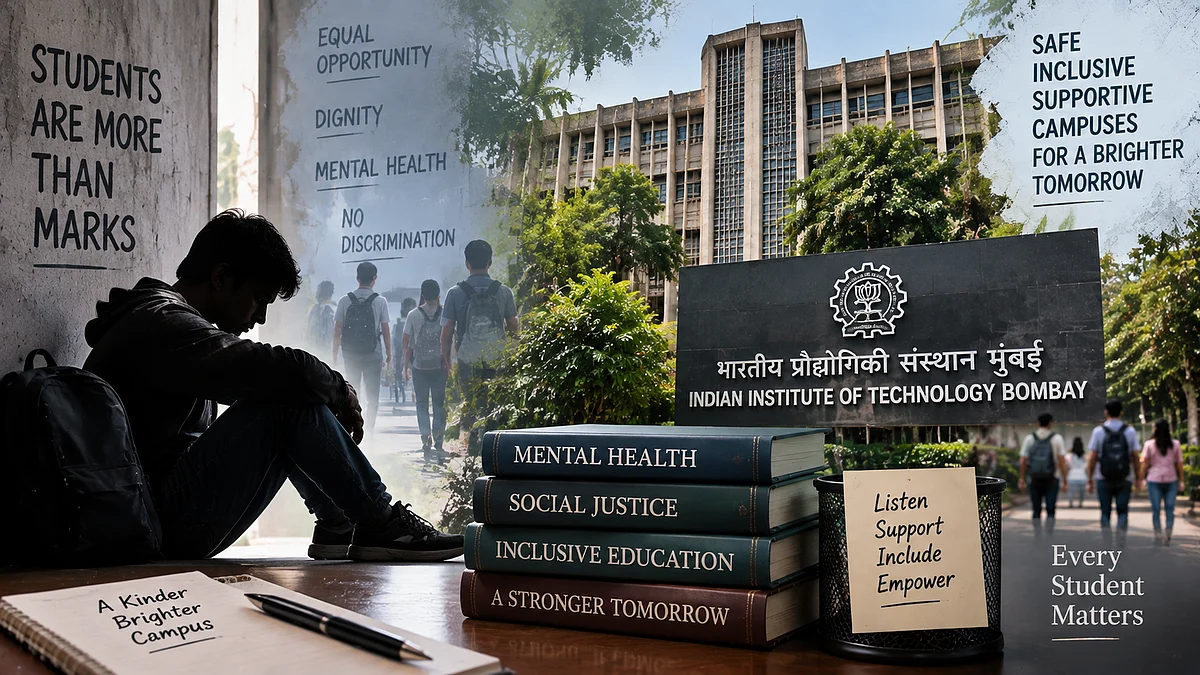
A student's suicide at IIT Bombay has reignited discussions about the distress faced by students in higher educational institutions (HEIs) due to unaddressed issues. The tragedy has drawn attention to the fact that student suicides are a recurring problem in India's HEIs, sparking debate on whether these institutions are structurally oppressive, particularly for students from Dalit and other traditionally disadvantaged groups.
The issue has been brought before the Supreme Court, Parliament, and other forums, leading to the formation of a Task Force and the suggestion of remedial measures. However, the latest case, involving Sahil Wakode, is more complex, with allegations of caste abuse and abetment to suicide by faculty. The Supreme Court has noted that suicides have become a significant cause of death among men in the 15-29 age group and the leading cause for women.
The number of student suicides has increased by 65% in the past decade. The Task Force's findings highlight persistent social inequalities, structural disadvantages, lack of functional grievance redress systems, and barriers to mental health services. The Supreme Court emphasized that the focus should not be on merely increasing the number of students in higher education but on creating academic systems and processes that ensure equal opportunity.
It is crucial to address the specific needs of students belonging to communities such as Dalit, Scheduled Tribe, OBC, Persons with Disabilities, transgender, and rural candidates and non-English speakers. Bringing HEIs under a specific law would compel institutions to develop necessary structures to report student distress, provide remedies, offer additional support to disadvantaged students, and fulfill their responsibility to ensure their physical and mental well-being.
The caste-based discrimination issue also needs to be addressed through strict institutional measures, and faculty should undergo rigorous screening to prevent any caste-based abuse.
Written by urgent.news from Free Press Journal's reporting — not their text. Machine-written — may contain errors; check the original before relying on it.