In Pir Panjal, new strategy to keep terrorists from slipping between Jammu and Kashmir
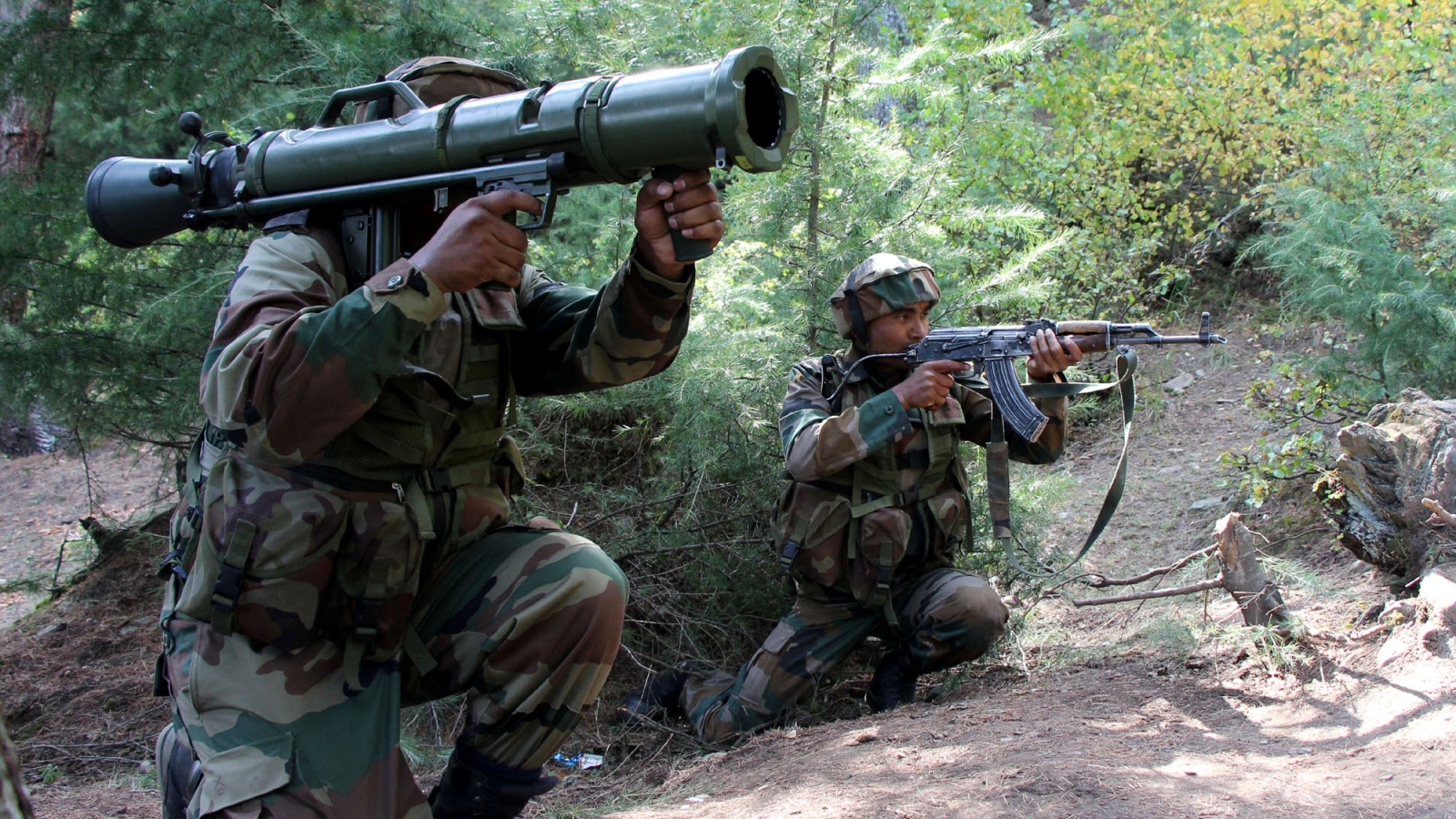
On September 4, a member of the Lashkar-e-Toiba (LeT) was killed in Ashdar Gali, situated in the upper Pir Panjal mountains, a region that links Kashmir with Jammu's Poonch. This development followed a four-month collaboration between the army, its elite para forces, J&K Police, and paramilitary forces deployed in the Pir Panjal mountains.
The operation illustrated a significant shift in the approach of security forces towards the challenging Pir Panjal terrain, which is typically considered advantageous to terrorists. The joint force operated from a Temporary Operational Base (TOB), allowing for a sustained presence and tight surveillance after several setbacks in recent years.
According to a senior police officer, this TOB arrangement is temporary and intended to establish a more permanent foothold in the difficult mountain terrain. Security forces may utilize existing shelters or caves as temporary bases or operate within the dense forests without shelter. The Poonch-Rajouri corridor in Jammu has historically been a militant hotspot, with numerous foreign militants, primarily foreigners, moving freely through the forests.
In 2003, the Indian Army, aided by locals, launched Operation Sarp Vinash to eradicate militants. The Pir Panjal mountains are divided into three zones – the upper reaches, the middle range, and the lower reaches. The army's elite paratroopers are typically stationed in the higher reaches, while the middle range is secured by the Rashtriya Rifles, the army's anti-insurgency force, or joint teams of J&K Police and paramilitary forces, depending on the situation. The lower ranges are primarily managed by J&K Police and paramilitary forces.
Written by urgent.news from The Indian Express's reporting — not their text. Machine-written — may contain errors; check the original before relying on it.
This story
This is one outlet's version. Read the fullest account.