In Pir Panjal, new strategy to keep terrorists from slipping between Jammu and Kashmir
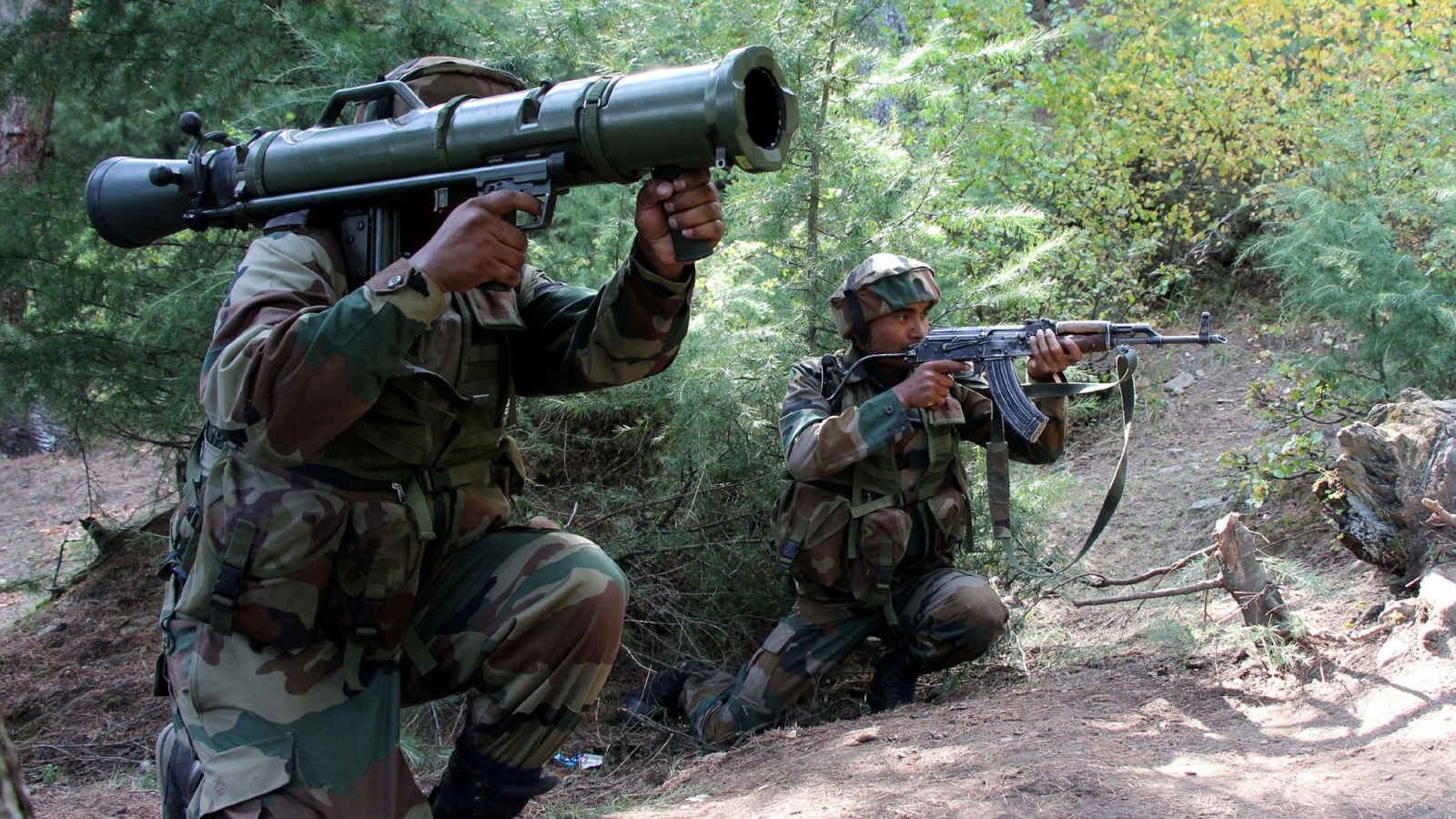
On September 4, a Lashkar-e-Toiba (LeT) terrorist was killed in Ashdar Gali, nestled within the upper reaches of the Pir Panjal mountains, which serve as a crucial link connecting Kashmir with Jammu’s Poonch. This operation followed a four-month effort by joint forces comprising the Army, its elite para units, the J&K Police, and paramilitary forces operating in the dense Pir Panjal mountains.
The operation demonstrated a shift in the security forces' approach to the Pir Panjal terrain, a region historically advantageous to terrorists due to its challenging nature. The joint forces now operate from a Temporary Operational Base (TOB), enabling them to maintain a sustained presence and tight vigil over the area despite facing setbacks over the last three years.
This temporary arrangement aims to establish a more permanent footprint in the difficult mountain terrain. Security personnel remain deployed in the mountains for extended periods, ranging from over ten days to several months, often utilizing natural shelters like Gujjar dhoks (shacks) or caves, or operating from dense forests when such shelters are unavailable.
The Poonch-Rajouri axis in Jammu has been a militant hotspot, witnessing numerous militant movements, predominantly from foreign sources, moving through the forested regions. Between 2003 and 2012, the Indian Army, aided by local assistance, launched Operation Sarp Vinash to eliminate militants. The mountains are divided into three zones: the upper reaches, manned by the army's elite paratroopers; the middle range, guarded by the Rashtriya Rifles or a joint force of J&K Police and paramilitary forces; and the lower reaches, primarily staffed by the J&K Police and paramilitary forces.
In 2003, the Indian Army, assisted by locals, launched Operation Sarp Vinash to drive out militants. The mountains are divided into three zones: the upper reaches, home to the Army's elite paratroopers; the middle range, patrolled by the Rashtriya Rifles or a joint force of J&K Police and paramilitary forces; and the lower reaches, primarily monitored by the J&K Police and paramilitary forces.
Written by urgent.news from The Indian Express - India's reporting — not their text. Machine-written — may contain errors; check the original before relying on it.