Forget the 10-second balance test — the single-leg sit and stand is the new gold standard for joint age
Here's what this simple balance and power test says about your health.
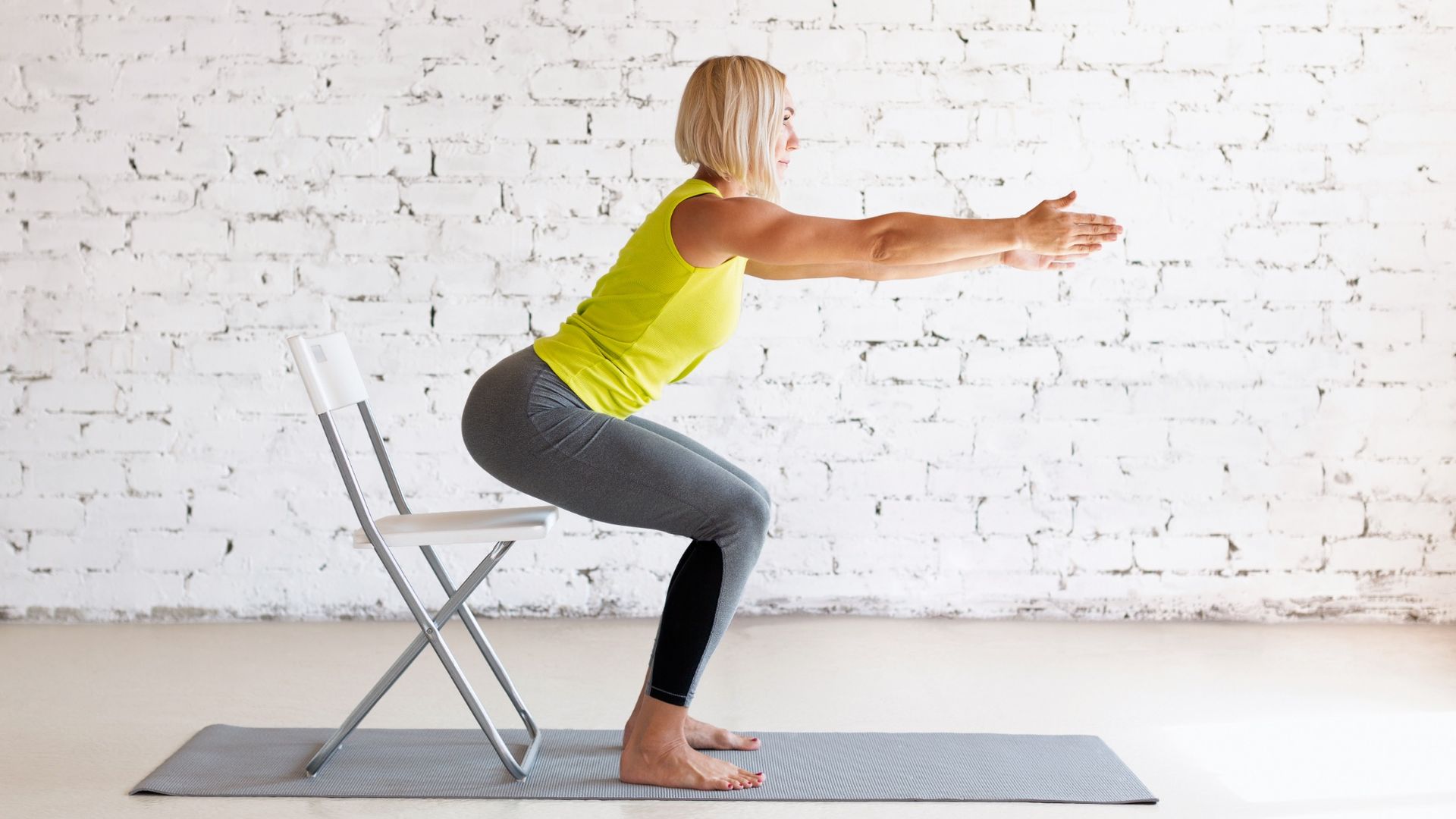
The single-leg sit and stand test has emerged as the go-to method for assessing joint health and aging. As people age, maintaining muscle mass, strength, bone density, mobility and balance becomes increasingly challenging due to the natural process of sarcopenia. The test, which involves sitting on a chair or stool, lifting one leg while maintaining balance, and then sitting down again, provides insight into one's functional ability and potential risks of falls or injuries.
The single-leg sit and stand test serves as a valuable measure of aging, as it sheds light on changes in proprioception, neuromuscular control, core strength, and joint stability. These factors can impact an individual's ability to remain independent, making it crucial to address any imbalances through unilateral strength exercises.
Examples of such exercises include single-leg deadlifts, Bulgarian split squats, and lunges. Incorporating these exercises, along with practicing sitting and standing on one leg, can help build power, improve exercise performance, prevent injury, and enhance daily life ease.
Written by urgent.news from Tom's Guide's reporting — not their text. Machine-written — may contain errors; check the original before relying on it.