Experts discuss specific diagnosis and brain modulation in Alzheimer’s care
Experts discuss the importance of accurate diagnosis and the potential of non-invasive brain stimulation in dementia care
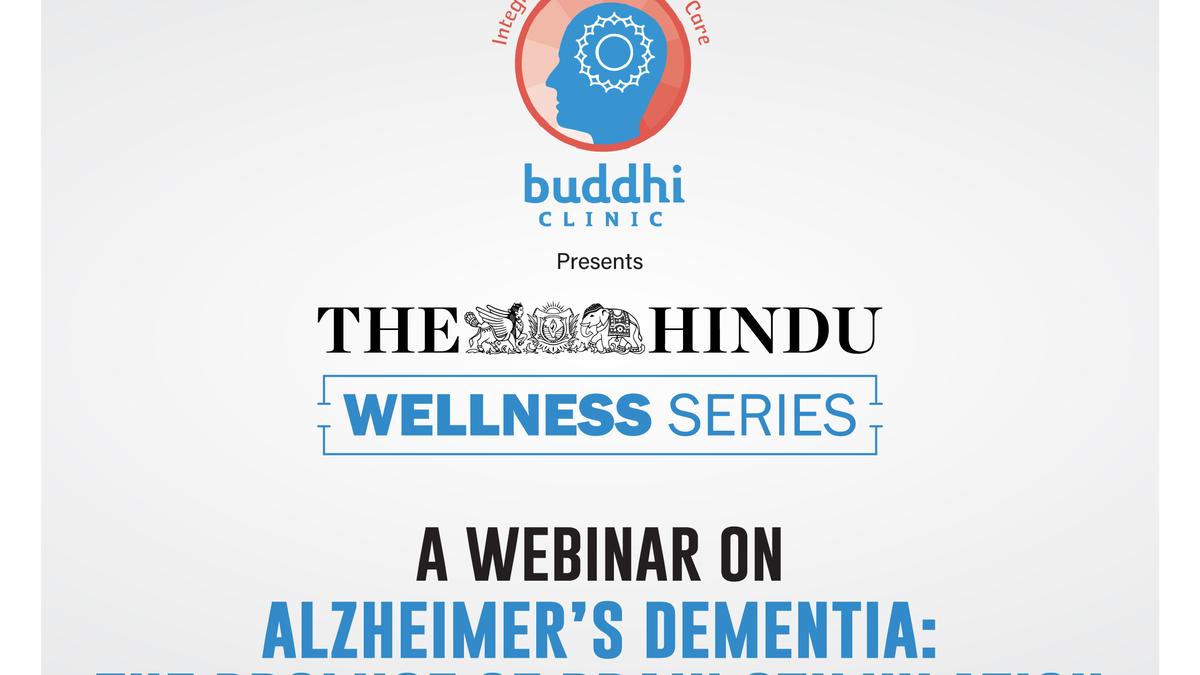
Treatable conditions can sometimes mimic Alzheimer's disease, as highlighted by Ennapadam S. Krishnamoorthy, a behavioural neurologist and neuropsychiatrist from Buddhi Clinic. This point was emphasized during The Hindu Wellness Series webinar on Alzheimer’s dementia and the promise of brain stimulation, organized on World Alzheimer's Day.
Krishnamoorthy, speaking at the event, stressed the significance of an accurate diagnosis to differentiate Alzheimer’s disease from other conditions causing cognitive symptoms that might be treatable. He also underlined the necessity of a personalized approach to dementia care, pointing out that certain medications might not benefit all patients or could even be harmful.
Vivek Misra, a senior consultant in Neuromodulation and Clinical Neurosciences at Buddhi Clinic, discussed the potential of non-invasive brain stimulation as part of dementia care. This method involves external stimulation to modulate activity in specific brain areas, which does not require sedation or induce seizures and can be conducted in an outpatient setting.
Misra clarified that brain stimulation should not be considered a standalone treatment but rather as one aspect of a comprehensive, precision-driven approach to dementia care, with interventions customized to the individual’s clinical profile and requirements. The session was moderated by Athira Elssa Johnson, a Senior Reporter from The Hindu.
Written by urgent.news from The Hindu Health's reporting — not their text. Machine-written — may contain errors; check the original before relying on it.
This story
This is one outlet's version. Read the fullest account.