El estrecho margen energético de Europa
No parece que el riesgo sea quedarse sin gas, sino cuánto habrá que pagar para asegurarlo
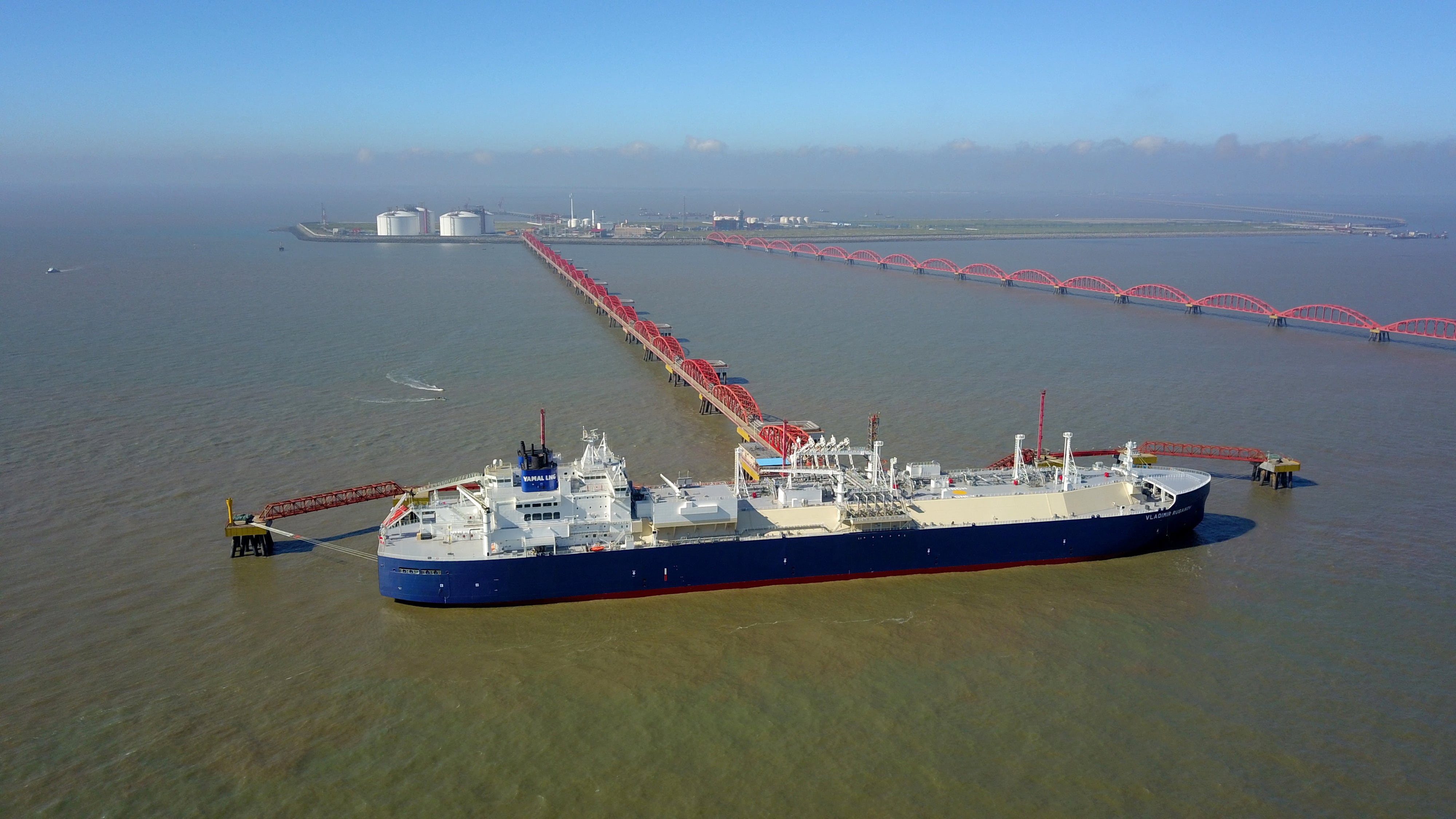
The European energy margin is razor-thin, a fact that has become painfully clear as the winter approaches. Negative analyses have been common when discussing the European economy, and gas is no exception. Memories of 2022 have returned following a failed truce in the Middle East and depleted reserves. The EU's storage capacity stands at around 68%, but the picture is far from uniform, with northern countries barely exceeding 50%, while southern nations like Spain fare better heading into autumn.
With these levels, time is as crucial as the available gas, as storage facilities have a maximum fill rate, and Europe could reach peak capacity with only 75% of its capacity, down from 83% last year.
This predicament was exacerbated in summer when gas prices were high, there was little incentive to store it, and a truce was hoped to normalize flows. However, this hope has faded, and Gulf gas shipments, particularly from Qatar, have plummeted by over 85% between March and August. Meanwhile, interruptions appear less transient.
The United States plays a peculiar role in this scenario. Its vast production keeps domestic gas prices well below European and Asian levels, while simultaneously establishing itself as a major exporter, helping to alleviate global tension. The best evidence of this market shift is Qatar's negotiation to buy gas from the United States to meet its customers' needs.
Demand-wise, Europe competes primarily with Asia for shipments. China, Japan, and South Korea have reduced their imports by nearly 20%, while some emerging buyers are turning to coal, renewables, or domestic production. Asian gas is priced around $25/MMBtu, and at these levels, there seems to be little room for further price escalation, potentially putting a ceiling on current European gas prices.
Winter will put this equilibrium to the test, although Europe enters with lower gas consumption than in 2022 and has been fortunate to experience several mild winters. Forecasts now predict benign temperatures, with El Niño among the factors, but relying too heavily on weather is a risky gamble. With fewer reserves, a cold winter, low wind generation, or an Asian demand recovery, Europe would be forced to compete in a tight market.
The risk, therefore, does not seem to be running out of gas but rather how much it will cost to secure it. This cost will be passed on to households and weigh on an industry that competes with an energy disadvantage against the United States and China, while the fiscal margin for repeating 2022 subsidies is smaller. Europe may survive the winter, but any surprises will not come cheap.
Written by urgent.news from El Pais Economia's reporting — not their text. Machine-written — may contain errors; check the original before relying on it.