Copper advantage: The missing piece in India’s Viksit Bharat 2047 ambition
Decisions made today will determine whether copper becomes a constraint on Viksit Bharat or an enabler of it
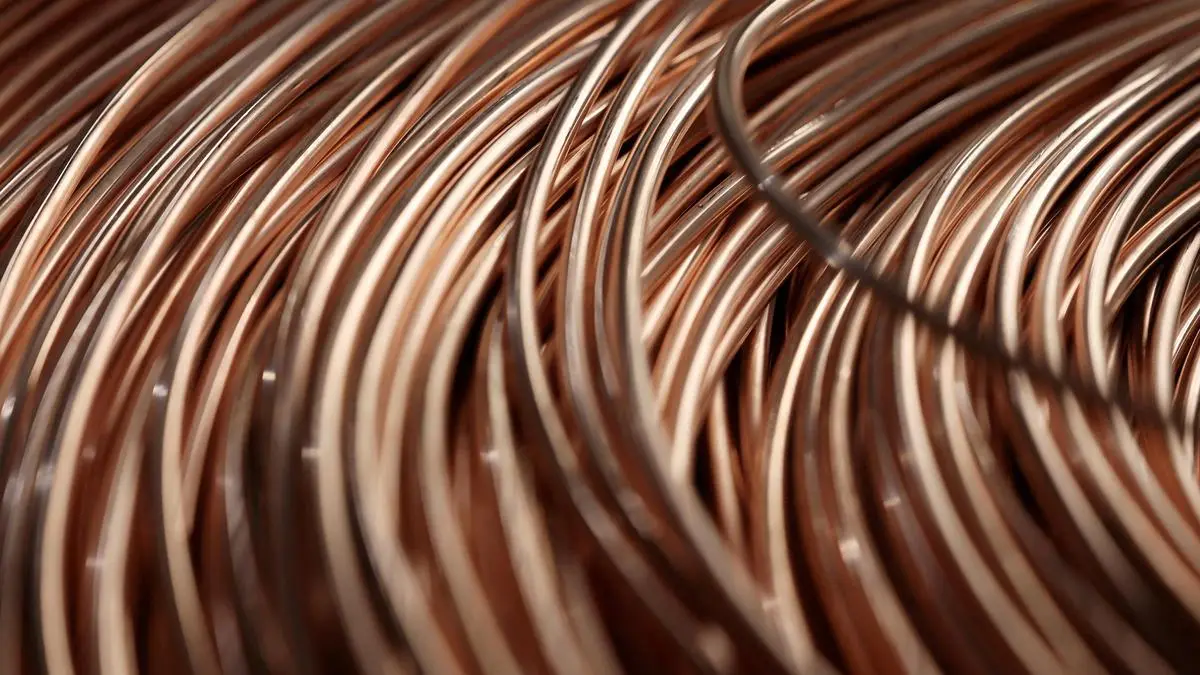
The vision of Viksit Bharat 2047 encompasses a robust urban and rural infrastructure, alongside burgeoning buildings, electric vehicles, renewable energy, and advanced electronics and AI infrastructure. However, the backbone supporting this growth lies in a less conspicuous metal: copper. With India's trajectory towards greener, more industrialised, and urbanised landscapes, the demand for copper is anticipated to escalate drastically, from 3.0-3.26 million tonnes in 2030 to potentially 10 million tonnes by 2047.
Currently, India's copper utilization relative to its GDP remains comparatively low when juxtaposed with that of other developed economies such as China and the USA. In fiscal year 2025, India's copper consumption amounted to 1,878 kilotonnes. Nevertheless, given that India is still in its nascent stages of economic development, sectors that are copper-intensive have yet to attain their full potential.
The forthcoming growth phase is expected to witness a considerable surge in demand, thereby intensifying the challenge of ensuring an adequate supply of the red metal.
To meet future requirements, India must commence preparation now, recognizing that the lead time for such endeavors spans decades, not years. This strategy should be anchored on four fundamental pillars: mining, importing, refining, and recycling. The first imperative is the development of domestic copper mines. India boasts approximately 12.20 million tonnes of identified copper resources, with 10.04 million tonnes classified under the 'remaining resources' category.
These untapped reserves, primarily situated in Rajasthan, Madhya Pradesh, and Jharkhand, represent the future. Establishing new copper mines requires a significant 17.9-year period from the initial discovery. To capitalize on these resources before they become obsolete, India must initiate exploration efforts forthwith. The second critical aspect is securing trade in copper concentrates.
Approximately 95% of India's copper concentrate demand is projected to be met through imports. Consequently, India must establish a robust system for securing copper concentrates. Long-term diplomatic and trade partnerships with major copper-rich nations like Chile, the Democratic Republic of Congo, Peru, and Australia are essential to ensure a reliable and consistent supply.
Over 50% of the world's known copper reserves are concentrated in just five countries: Chile, Australia, Peru, the Democratic Republic of Congo, and Russia. This concentration of reserves underscores the importance of secure supply chains as India competes with other copper-scarce regions, including China and Europe, for a limited global copper supply.
Copper diplomacy should be accorded the same priority as economic pursuits. The third imperative involves expanding domestic processing and smelting capacity. India must prioritize the expansion of domestic smelting and refining capacity as a cornerstone of its strategy. China's experience demonstrates how investments in processing and refining can confer an industrial advantage.
India will need to augment its smelting and refining capacity by around 500,000 tonnes every five years to keep pace with the escalating copper demand. A competitive domestic processing ecosystem will diminish reliance on copper cathode imports while enabling industries to harness valuable by-products of copper processing, such as sulphuric acid and other metals.
The fourth imperative is the establishment of responsible copper recycling infrastructure. Recycling the metal at the end of its lifecycle and reintroducing it into productive use can supplement primary mining efforts. Unlike many materials, copper can be recycled repeatedly without compromising its properties or performance, provided it is processed using efficient recycling technologies and high-quality processing methods.
India must adhere to global quality standards for scrap collection, recycling technologies, and testing to ensure that recycled copper meets the stringent purity and performance requirements of industries. Furthermore, India must invest in domestic research and development to foster innovative recycling technologies. India's copper strategy should transcend mere domestic consumption satisfaction; it should strive to build a comprehensive copper ecosystem that fosters manufacturing, generates employment, bolsters industrial capabilities, and positions India as a formidable competitor in global copper value chains.
India possesses a window of opportunity to prepare for the copper demand of the next two decades. The decisions taken today will determine whether copper emerges as a constraint on Viksit Bharat or an enabler of its aspirations.
Written by urgent.news from Hindu BusinessLine's reporting — not their text. Machine-written — may contain errors; check the original before relying on it.