Dementia: Knowing earlier makes a difference — Ong Yi Song
SEPTEMBER 20 — We often think of dementia as a disease of forgetting. But sometimes, the first signs are not simpl...
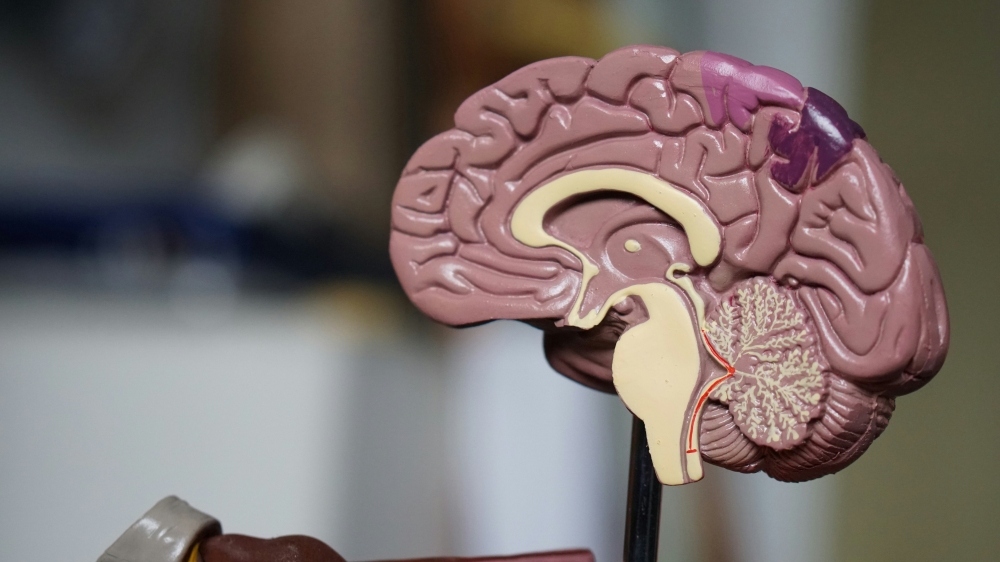
On September 20, a campaign highlighted the importance of early dementia diagnosis, emphasizing that recognizing the condition sooner allows individuals and families to take more action. While dementia does not currently have a cure or reversal, an early diagnosis provides valuable time to grasp the situation, seek support and treatment options, and prepare for the future. This also aids the person with dementia in preserving their independence and quality of life for as long as possible.
During World Alzheimer’s Month, the campaign stresses that dementia is not just about memory loss; early signs can manifest as subtle changes in daily life. For example, a remote control they have used countless times might now seem challenging to operate, or a long-familiar recipe may become harder to follow. The same question may arise repeatedly in conversations without them realizing they have already been answered.
These gradual changes can be easily dismissed as normal aging, stress, tiredness, or other health conditions, but they should not be ignored. Only a healthcare professional can determine the cause of these symptoms. The campaign’s message is simple: "The Earlier You Know, The More You Can Do: A Dementia Diagnosis Matters."
Dementia also impacts those who care for the person living with the condition. As communication becomes more difficult, families and caregivers must adapt their communication style to meet the person where they are, rather than expecting them to communicate as before. This may involve using simpler words, allowing more time for responses, and offering reassurance instead of correcting.
The writer emphasizes that early recognition of dementia enables individuals and families to understand the condition, explore available support and treatment options, and prepare for the future. It also helps maintain the person's independence and quality of life. The article concludes by encouraging everyone to start noticing changes and learning to listen differently, as the earlier we know, the more we can do for the person with dementia, their caregivers, and the relationships, choices, and moments that matter most.
Written by urgent.news from Malay Mail's reporting — not their text. Machine-written — may contain errors; check the original before relying on it.