COMING IN HOT: Very strong El Niño is a ‘stress test’ for SA’s food systems
A very strong El Niño is likely to persist until February 2027, potentially bringing drier, hotter summers to South Africa and raising heatwave, crop and food security risks.
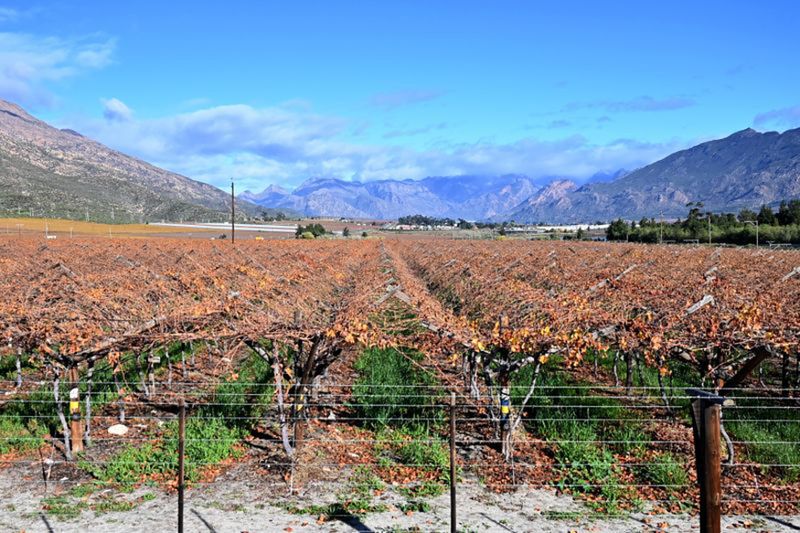
A very strong El Niño event is predicted to persist in South Africa until February 2027, potentially posing significant risks to the country's food systems. Sea surface temperature anomalies in the central-eastern equatorial Pacific have intensified to +3.01°C above average. The World Meteorological Organization (WMO) confirms that El Niño is characterized by unusually warm ocean surface temperatures in the central and eastern Pacific.
Southern African regions are typically affected by below-normal rainfall and above-normal temperatures during El Niño events. The South African Weather Service (SAWS) predicts a high likelihood of below-normal rainfall and above-normal temperatures over most of South Africa from October to December 2026, and similar conditions are expected to continue into January 2027.
While not every El Niño event results in drought, the very strong El Niño event of 1997/98 saw slightly above-normal rainfall in some areas of South Africa's summer rainfall region. Global warming may exacerbate the situation, potentially making 2027 the warmest year on record. The combination of El Niño and global warming could lead to severe heatwaves and have adverse effects on crop yields and food security.
South Africa is currently in a relatively good position regarding food production, with above-normal rainfall in the 2025/26 summer boosting dam levels and soil moisture. The Crop Estimates Committee forecasts a record maize supply of 17.40 million tonnes for the 2026/27 marketing period. However, El Niño's impact could still cause heat stress, reduced yields, and potential water restrictions.
Despite these risks, the country's strong maize supply and elevated dam levels should provide a buffer, helping to contain maize price increases and mitigate the risk of sharp food inflation.
Written by urgent.news from Daily Maverick's reporting — not their text. Machine-written — may contain errors; check the original before relying on it.