China’s CXMT says new memory-chip platform enters mass production
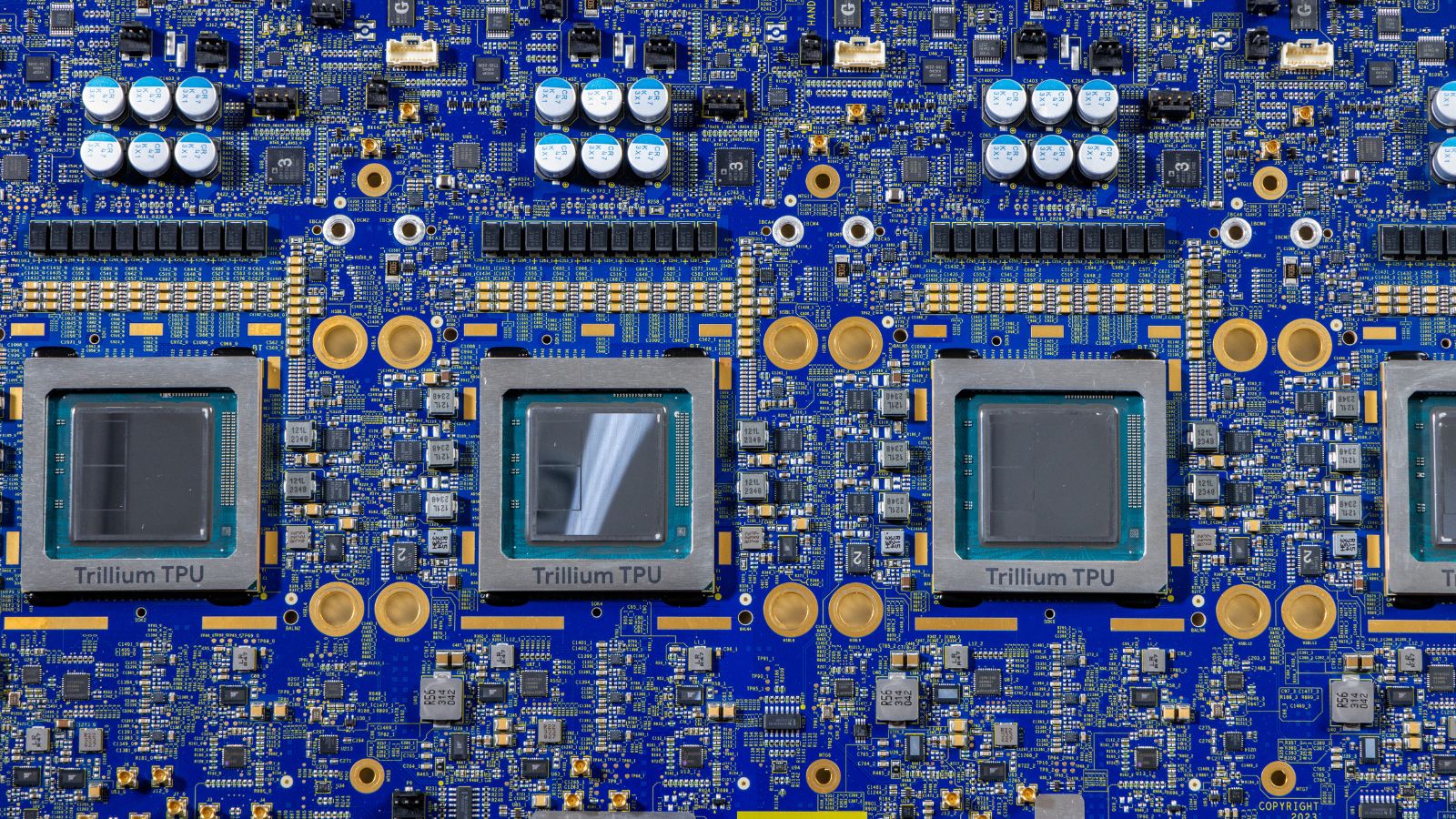
Chinese DRAM chipmaker CXMT announced on Sunday that its fifth-generation memory-chip platform has transitioned into mass production. This technological advancement, which could bolster China's competition against industry giants such as Samsung Electronics, SK Hynix, and Micron Technology, promises to produce more powerful memory chips at a lower cost and with reduced power consumption.
DRAM, or dynamic random-access memory, serves as the short-term working memory for various devices, including smartphones and computers. The new platform is designed to enhance the performance of memory chips while minimizing power usage. CXMT, which recently listed on Shanghai's STAR Market, stated that the new platform provides electronics manufacturers with an additional source of supply for chips used in various devices.
At the 2026 World Manufacturing Convention in Hefei, CXMT's vice president and head of its marketing center, Luo Xiaodong, revealed that the new platform packs data-storing structures closer together, enabling more memory per chip and more chips per silicon wafer. This was achieved through the use of quadruple patterning, a process that repeats several manufacturing steps to create finer circuit patterns. According to Luo, CXMT's process capability is now equivalent to the most advanced mass-produced nodes in the industry.
In addition to the platform's introduction, CXMT unveiled two new 24-gigabit LPDDR5X products manufactured on the new platform. LPDDR5X is a power-efficient type of DRAM commonly used in smartphones and other portable electronics. Each product holds 50% more data than CXMT's previous equivalent models and is already in mass production. These chips are offered in two different package formats to cater to various smartphone and portable-device designs.
The new platform is capable of producing at least 50% more gross chip dies per wafer than CXMT's fourth-generation platform, using an 8-gigabit-chip baseline. This metric represents the maximum number of chips that can be made from a wafer before excluding defective units, as opposed to the percentage of chips that pass final testing. The development of the platform involved computer simulations and joint efforts with Chinese chip-equipment manufacturers to optimize critical production steps.
This technological breakthrough comes at a time when Beijing is striving to reduce dependence on foreign semiconductor technology. US export controls imposed since 2022 have limited China's access to certain advanced chipmaking equipment and related software.
Written by urgent.news from The Indian Express's reporting — not their text. Machine-written — may contain errors; check the original before relying on it.
This story
This is one outlet's version. Read the fullest account.
- China's premier memory maker CXMT eyes producing flash for SSDs, report claims — 3D NAND research and development line rumored for its second manufacturing facility near Beijing tomshardware.com
- China’s CXMT says new memory-chip platform enters mass production as it takes on global chip giants businesstimes.com.sg
- Sources: SK Hynix subsidiary Solidigm weighs building a NAND flash memory factory in the US; SK Hynix is also in talks with Intel for a separate project in Ohio (Reuters) reuters.com