At 17, Plano teen's AI air-quality project serves 1,000 Texans, wins $10K
A young innovator from Plano has created an AI tool that tracks air pollution in underprivileged neighborhoods. This groundbreaking project not only garnered him a national award with substantial prize money but also offers educational resources and air purification devices to families in need. Moreover, the initiative cultivates young leaders who can adeptly analyze air quality data, tackling…
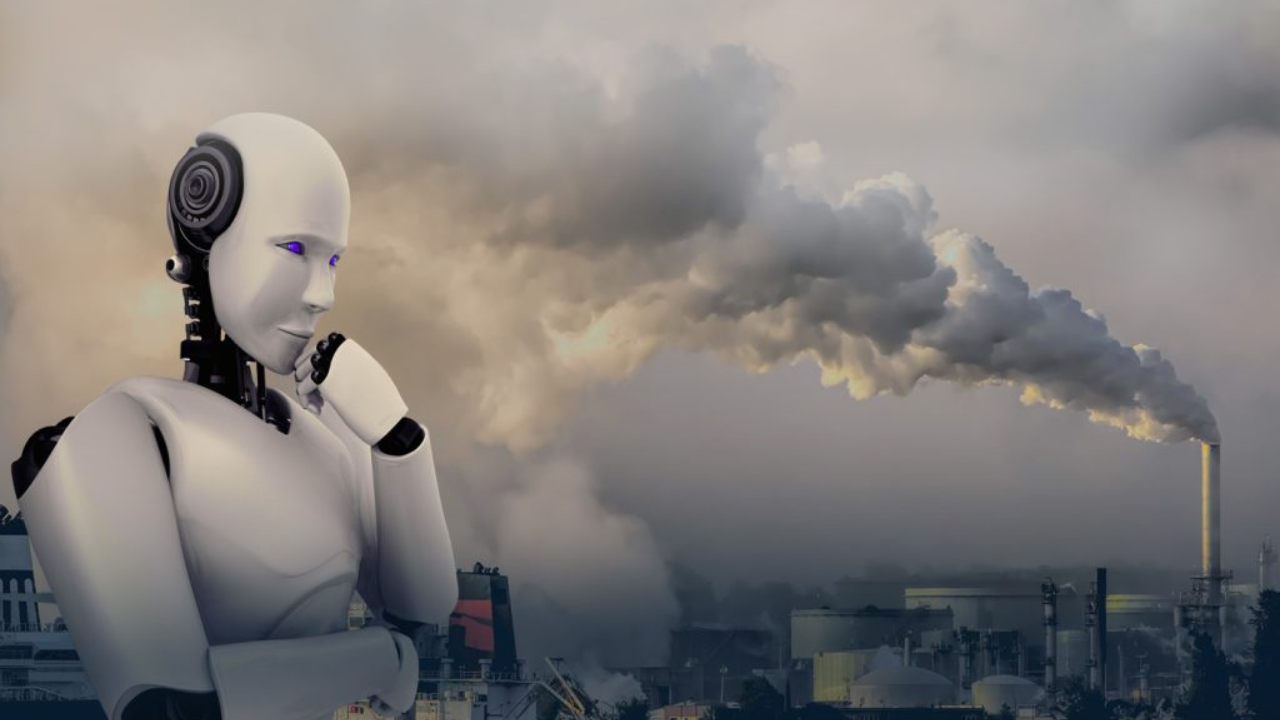
A 17-year-old Plano, Texas student named Nathan Tan has developed an artificial intelligence tool to monitor air pollution in high-risk neighborhoods, earning national recognition and a $10,000 prize. Fueled by his personal struggles with respiratory issues and the loss of family members to lung cancer, Tan was inspired to tackle environmental inequality in Dallas. The city's poorer communities and minority families often suffer from higher pollution levels, yet lack access to local air quality monitors.
Inspired by his own experiences and a student's question about hazy air, Tan discovered that children in West Dallas had asthma rates several times higher than the state average. Despite the risks, only one official monitoring station covered an area of 900 square miles, leaving many neighborhoods without reliable air data.
To address this issue, Tan created a computer program using machine learning to predict pollution levels in sensor-less areas, utilizing existing physical sensors for validation. Today, around 1,000 Texas residents access his live online map to check real-time air quality. Tan believes that scientific research should directly benefit the communities it aims to protect.
"Research only makes a difference when it reaches the people it is about," Tan stated. "A paper in a journal won't protect a child from polluted air as he walks to school, but a bilingual booklet a mother can read will."
Alongside the digital map, Shared Skies Initiative, Tan's non-profit, provides practical assistance to local families. They provide bilingual guides on air pollution to over 60 low-income schools, reaching approximately 30,000 students. The organization has trained 300 young ambassadors to help families understand air data and avoid pollution risks.
Additionally, they have distributed 50 homemade air filters and 10,000 KN95 masks, while advocating for local environmental issues through letter-writing campaigns and city council testimony. Tan was one of two Texas winners chosen for the 2026 Gloria Barron Prize for Young Heroes, which awards $10,000 to fund their university studies or expand their community projects.
Written by urgent.news from Times of India's reporting — not their text. Machine-written — may contain errors; check the original before relying on it.