Why experts are urging cities to replace Conocarpus with neem, peepal and banyan
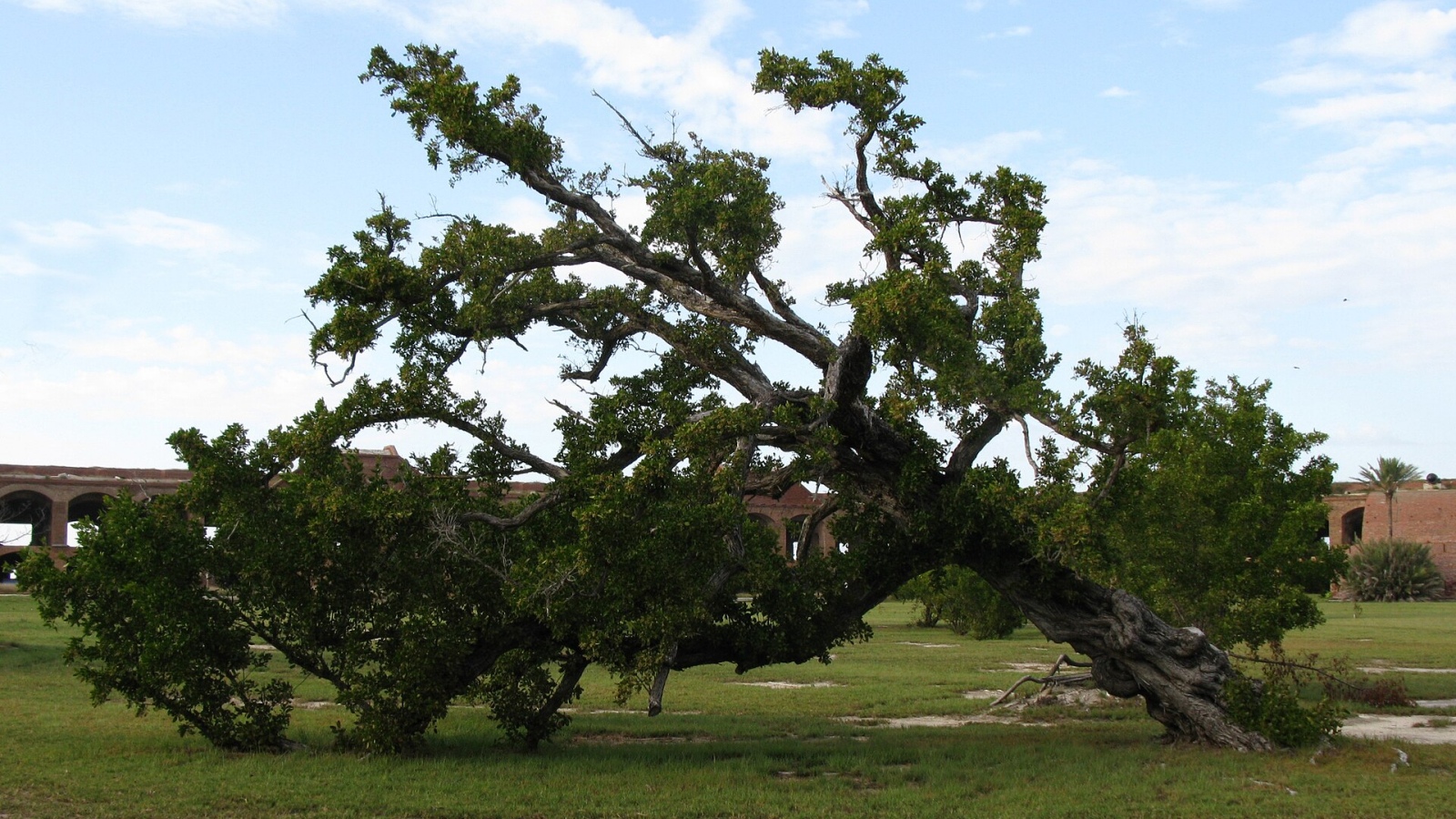
Across India, Conocarpus trees have long been favored for urban landscaping due to their rapid growth, dense foliage, and resilience in challenging conditions. However, recent scrutiny has raised concerns about the tree's impact on biodiversity, public infrastructure, and human health. Environmentalist Jasmit Singh Arora argues that the issue extends beyond mere aesthetics, and warns that Conocarpus poses significant ecological threats.
Unlike native trees, Conocarpus releases chemicals into the soil that suppress the growth of indigenous flora, leading to barren landscapes with minimal biodiversity and struggling local wildlife. The tree's invasive root systems can damage roads, pipelines, sewage systems, and building foundations, resulting in costly repairs for cities already grappling with aging infrastructure.
Additionally, studies link Conocarpus pollen to allergic reactions, asthma, and breathing difficulties, particularly among vulnerable populations.
Given these concerns, several states have banned or discouraged planting Conocarpus. Arora emphasizes that cities should prioritize native trees over exotic species, as they are naturally adapted to local climates, require less water, and provide essential resources for native birds, bees, and insects. Top tree recommendations include native mango, neem, peepal, and banyan trees, which not only beautify cities but also contribute to a healthier, cooler, and more resilient urban environment.
Written by urgent.news from The Indian Express - Lifestyle's reporting — not their text. Machine-written — may contain errors; check the original before relying on it.
This story
This is one outlet's version. Read the fullest account.