Why books still matter: Reading linked to better focus, empathy and brain health
Reading may feel old-fashioned now that TikTok, Reels and AI are everywhere, but research suggests it still benefits us in many ways.
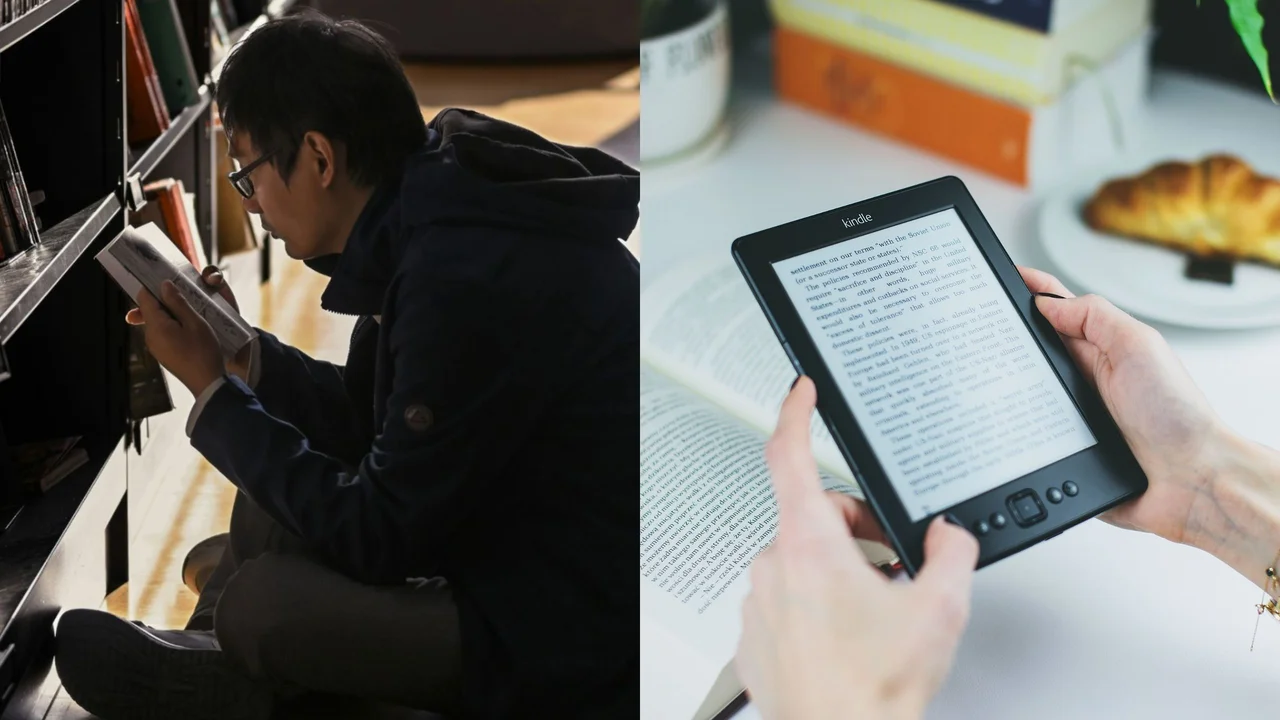
Reading a book may seem like a relic of the past in today's digital age, with countless videos, reels, and AI tools that can summarize lengthy texts in mere seconds. However, the decline in book reading does not negate the numerous benefits it provides. According to research conducted by the University of Cambridge and The Queen’s Reading Room, reading can enhance literacy and mathematical abilities, foster empathy and understanding, promote tolerance towards diverse perspectives, sharpen concentration and problem-solving skills, and alleviate feelings of loneliness.
Moreover, reading may lower the risk of dementia; a study involving 5,500 individuals aged 55 and above revealed that those who engaged in reading were less likely to experience cognitive decline over a five-year period. Another study discovered that reading newspapers, magazines, and books was linked to a 33% reduced risk of developing Alzheimer's disease.
Beyond its cognitive advantages, reading can also serve as a means of relaxation. Reading fiction for just five minutes has reportedly reduced stress levels by up to 20%. Despite the ongoing debate about the future of reading, there have been efforts to encourage people to pick up a book. In Singapore, the National Library Board recently launched the ReadSG Challenge, which aims to inspire individuals to read for at least 15 minutes daily. Participants earn 20 virtual coins for each qualifying session, with 1,000 coins equivalent to S$1.
Written by urgent.news from The Independent Singapore's reporting — not their text. Machine-written — may contain errors; check the original before relying on it.