Scientists build a DNA computer that can perform calculations in a drop of water
This programmable DNA computer can perform arithmetic without the continuous energy input needed by other systems.
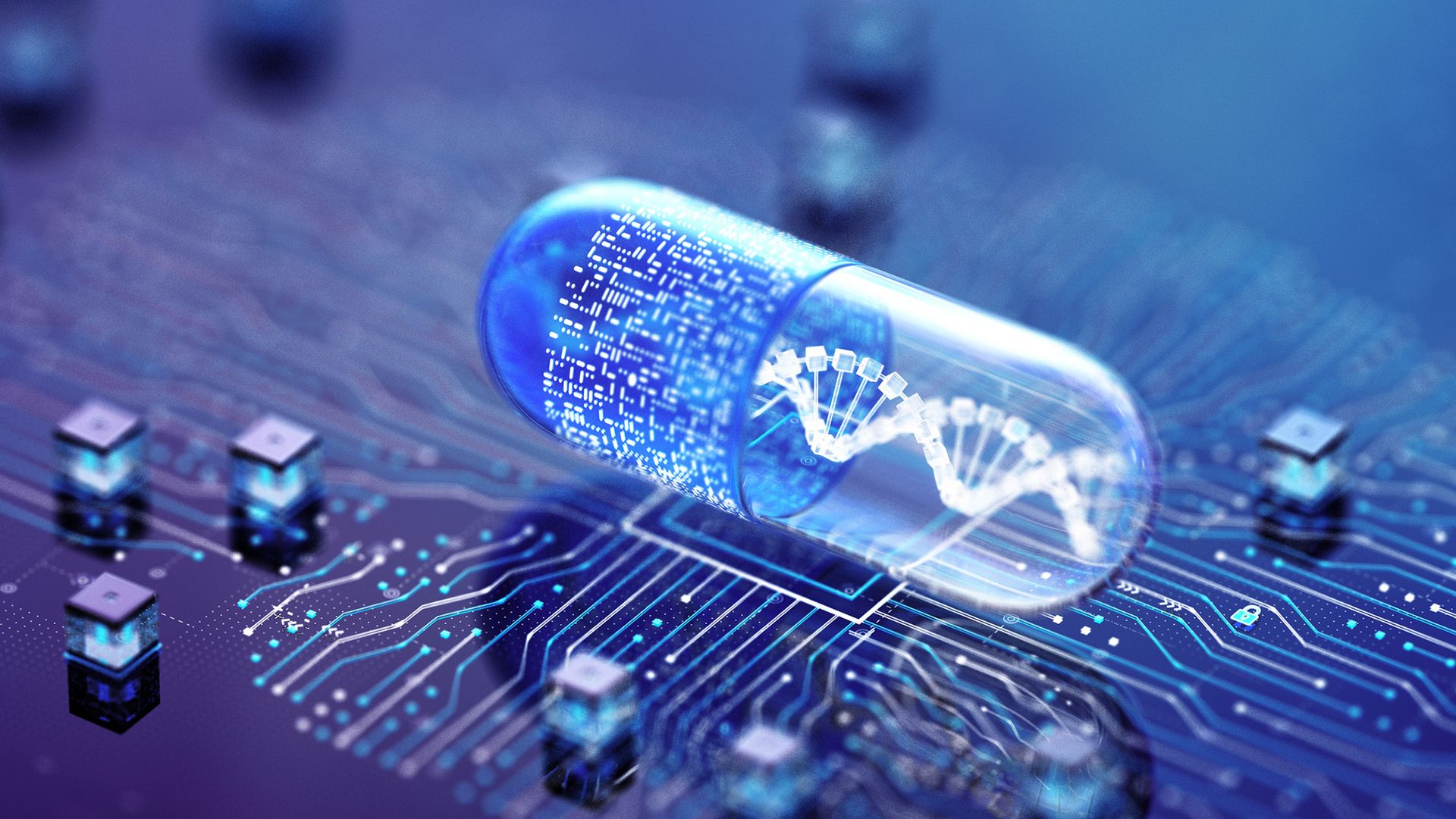
Scientists have created a DNA-powered computer that performs calculations using billions of molecules in a tiny drop of water. This novel system taps into natural laws of physics, making it more energy-efficient than conventional computers. The DNA computer is designed so its more energetically favorable state is the correct answer, requiring less energy compared to other biological computers.
Professor Damien Woods from Maynooth University in Ireland, co-author of the study, explained that the DNA molecules compete with each other to select a winner, which encodes the answer to the computation. As the system settles into its energetically-preferred state, the correct answer is formed. The Scaffolded DNA Computer (SDC) was tested on 10 programs, including 100-bit computations, and some calculations took around 30 seconds.
The researchers envision potential long-term applications for the SDC, such as molecular data storage, energy-efficient computation, and devices capable of running inside living cells. However, the current focus is not on replacing electronic computers but exploring DNA-based systems for biological environments, smart materials, and archival DNA data storage.
The SDC consists of short DNA strands interacting with a longer DNA scaffold, placed in a small amount of salt water and heated and cooled. The strands form structures according to programmed rules, acting like tiny molecular puzzle pieces. By designing binding rules, the researchers effectively program a calculation. As the mixture is heated and cooled, the strands compete to form the most stable arrangements, with the correct configuration becoming energetically favorable, ultimately encoding the answer.
The researchers demonstrated over 700 computations using the SDC, including addition, multiplication, division, and eight-bit parity detection. While small calculations were completed in under a minute, larger calculations took up to 14 hours. The system is reusable, as the DNA molecules can be used repeatedly without the need for specially prepared components or carefully timed reactions.
Written by urgent.news from Live Science's reporting — not their text. Machine-written — may contain errors; check the original before relying on it.