Why AI Coding Agents Crash at 3 AM: The Happy-Path Mirage & The Forced Continuity Defect
"The true goal of autonomous software engineering is not to replace the human—it is to transfer the pain from the engineer woken up at 3 AM to the droid that never sleeps." — Randal L. Schwartz 1. The Midnight PagerDuty Test There is an old, unwritten law among veteran software engineers: never judge code by how it runs at 2:00 PM on a staging server. At 2:00 PM on staging, the database has five…
The article discusses the limitations of AI coding agents, particularly how they fail to predict and handle the unpredictable, asynchronous issues that arise in real-world production environments. This failure is attributed to a phenomenon known as the "Forced Continuity Defect," which stems from the fundamental mathematical differences between how large language models process information and how actual software behaves.
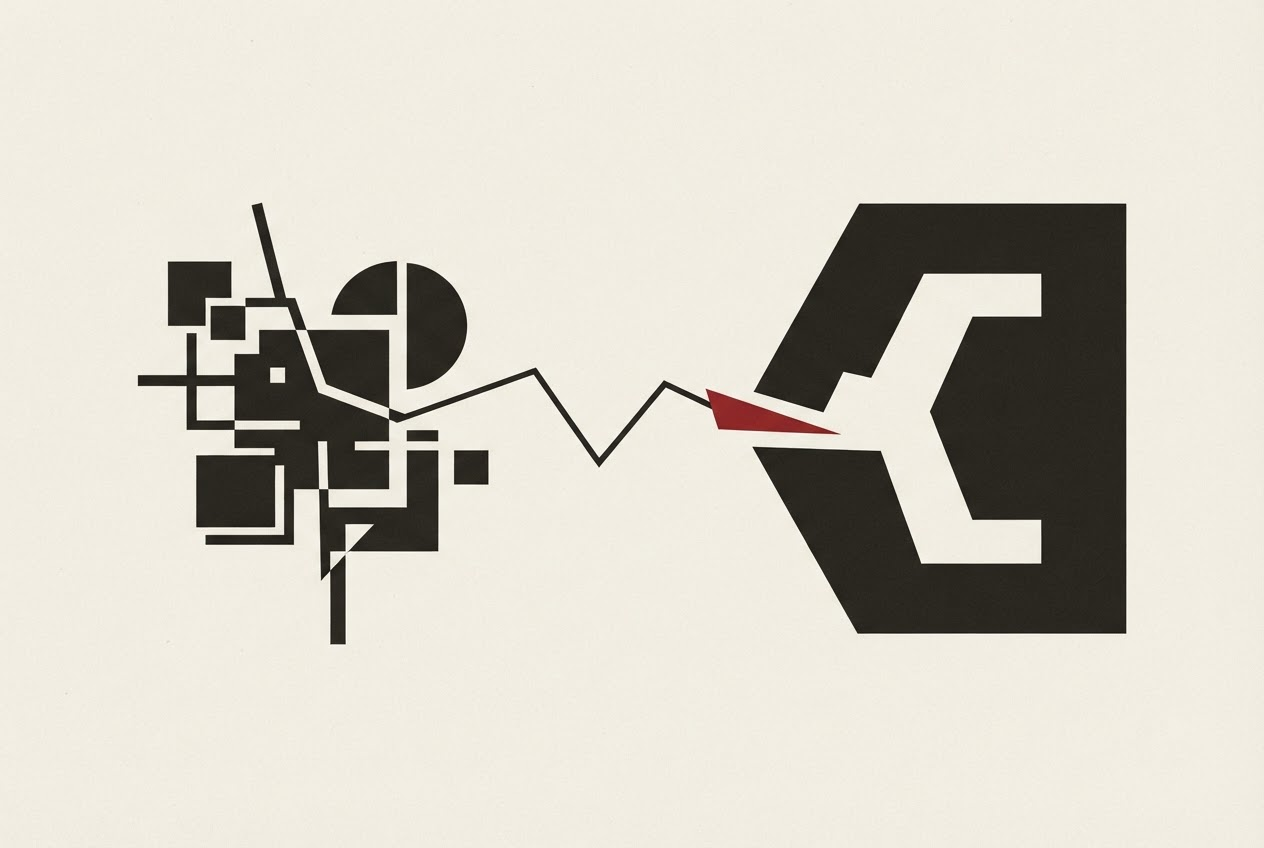
The article uses the metaphor of smooth continuous calculus versus discrete cliffs to illustrate the disconnect. In a continuous calculus framework, a model assumes that if one state is safe, then any intermediate states must also be safe, but real software is defined by abrupt, vertical cliffs—where a seemingly benign operation can abruptly crash the system.
The article also explores why simply scaling up AI models or adding more rules won't solve the problem, likening attempts to improve AI's safety through reinforcement learning from human feedback (RLHF) to a flawed alignment illusion. The narrative concludes by highlighting that the issues lie in the inherent limitations of using bounded, scalar reward models to address the catastrophic risks associated with negative infinities—such as permanent data corruption or the loss of cryptographic credentials.
Written by urgent.news from Dev.to's reporting — not their text. Machine-written — may contain errors; check the original before relying on it.