The future of higher education is augmented intelligence
Artificial intelligence is rapidly changing how we learn, work, communicate and make decisions. Yet the most important question is not how much human activity AI can replace. It is how effectively AI can augment human capability. This distinction matters. The more meaningful interpretation of AI in education is not simply Artificial Intelligence, but Augmented Intelligence: bringing together the…
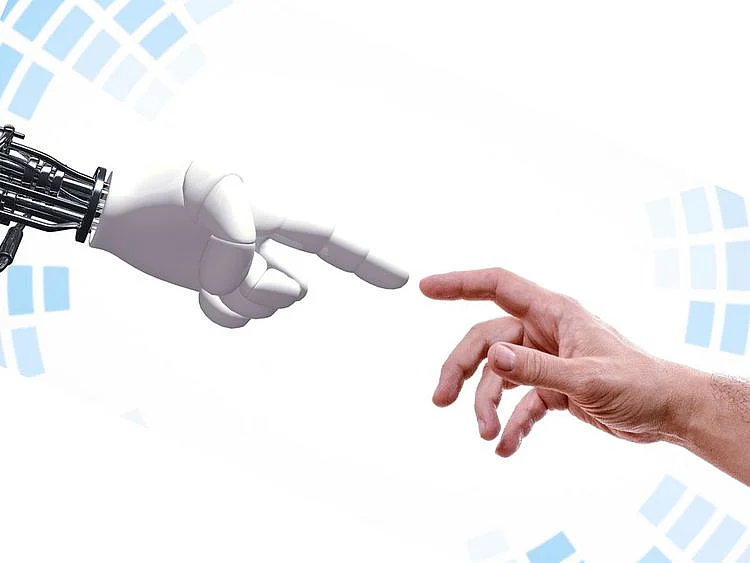
Artificial intelligence (AI) is transforming education and work, but the key question is how AI can effectively augment human capabilities rather than replacing them. Augmented intelligence combines human knowledge, judgment, creativity, and experience with AI's analytical power and speed. Universities' core mission is to develop critical thinkers, judgment makers, effective communicators, collaborators, problem solvers, and adaptable individuals.
As AI grows more capable, these human qualities become increasingly vital. The traditional notion of a linear career is being disrupted by AI, necessitating lifelong learning skills. While AI excels at analyzing data, recognizing patterns, generating alternatives, automating tasks, and supporting decisions, it relies on human judgment for ethical implications, credible answers, and decision outcomes.
To prepare students for this AI-augmented world, universities must update curricula, teaching methods, assessments, and culture. Students must learn to work alongside AI, challenge outputs, verify information, recognize limitations and bias, understand ethical implications, and make informed decisions about technology use. Universities must also operate differently by serving as labs for the future.
The American University of Ras Al Khaimah exemplifies this approach with its AURAK Augmented Intelligence initiative, which integrates AI into various university functions. Students should not only study AI but experience an environment where human and artificial intelligence collaborate. This shift requires universities to collaborate with industry, implement experiential learning, continuously renew curricula, and prepare students across disciplines to responsibly use AI.
The real challenge for AI lies in its rapid evolution outpacing curriculum development. Employers' needs change quickly, and professions are reshaped by technology. AI will increasingly become a tool for professionals across fields. Rather than competing with AI, graduates should aim to think with it, leveraging its capabilities while maintaining their own independent judgment.
Universities' role is to ensure technology amplifies human potential, guided by human responsibility. The ideal graduate of the AI era is someone who can think effectively with AI, retaining their own responsibility to think.
Written by urgent.news from Gulf News's reporting — not their text. Machine-written — may contain errors; check the original before relying on it.