The Data Center Debate Is Divorced From the Facts
All those scary numbers aren’t what they seem.
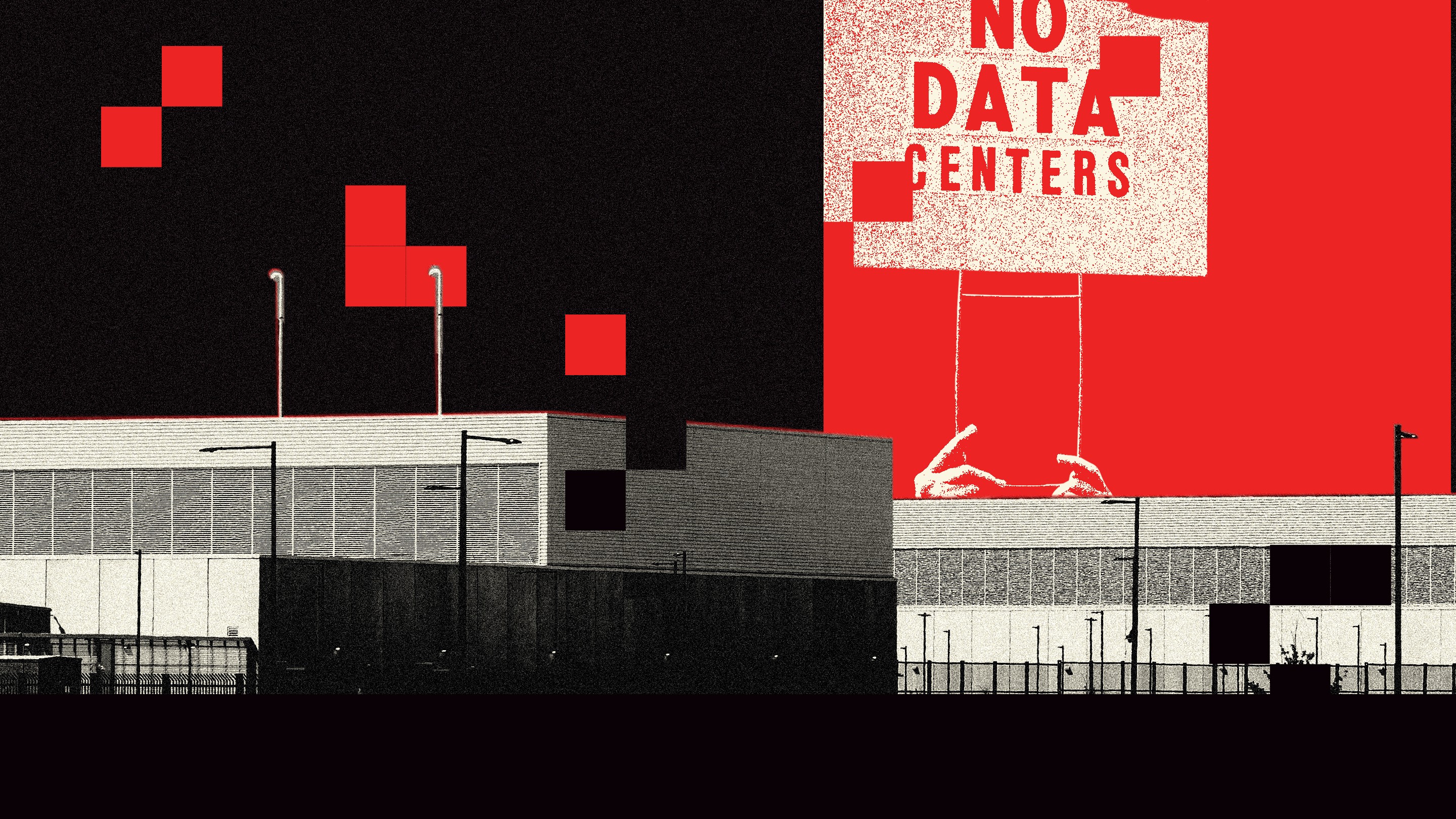
The debate surrounding AI data centers has become increasingly contentious, with much of the discourse focused on the negative aspects of these industrial projects. While some concerns, such as potential carbon dioxide emissions and noise pollution, are valid, the panic surrounding these issues often exceeds the available evidence. Misconceptions and fears have led communities to reject these projects, resulting in a loss of valuable tax revenue.
In Massachusetts, a city near the author's hometown recently rejected a data center proposal due to worries over water usage and pollution. Although data centers require substantial water for cooling, there have been no instances of this water pollution harming people. Additionally, the city has access to abundant fresh water, making the concerns unfounded.
Many misconceptions about data centers stem from misinterpreted news reports and rumors that have been circulated, much like a game of telephone. For instance, a Georgia couple experienced water issues after a data center opened nearby, but the cause of these problems remains uncertain, and such issues are common in construction projects.
Furthermore, the notion that data centers introduce toxic "forever chemicals" (PFAS) to local water sources is based on a misunderstanding of how these chemicals are used in cooling systems. While there is a risk of leaks leading to contamination, any major industrial project faces this risk.
The debate also rages on over the impact of data centers on electricity prices. Although some critics claim that electricity costs near such facilities have surged by as much as 267 percent in five years, this figure is derived from a specific analysis of wholesale electricity prices and not the actual rates paid by households. In reality, household electricity bills have not increased nearly as much as claimed.
Additionally, data centers contribute to tax revenue despite some misconceptions that they evade taxes. In fact, they are a significant source of revenue for local governments. For example, Loudoun County in Virginia, which houses the majority of data centers in the U.S., generates $1.3 billion annually through real-estate and personal-property taxes.
Written by urgent.news from The Atlantic's reporting — not their text. Machine-written — may contain errors; check the original before relying on it.