Plenty of Retirees Tour The Villages and Never Buy. One Reason Comes Up Every Time
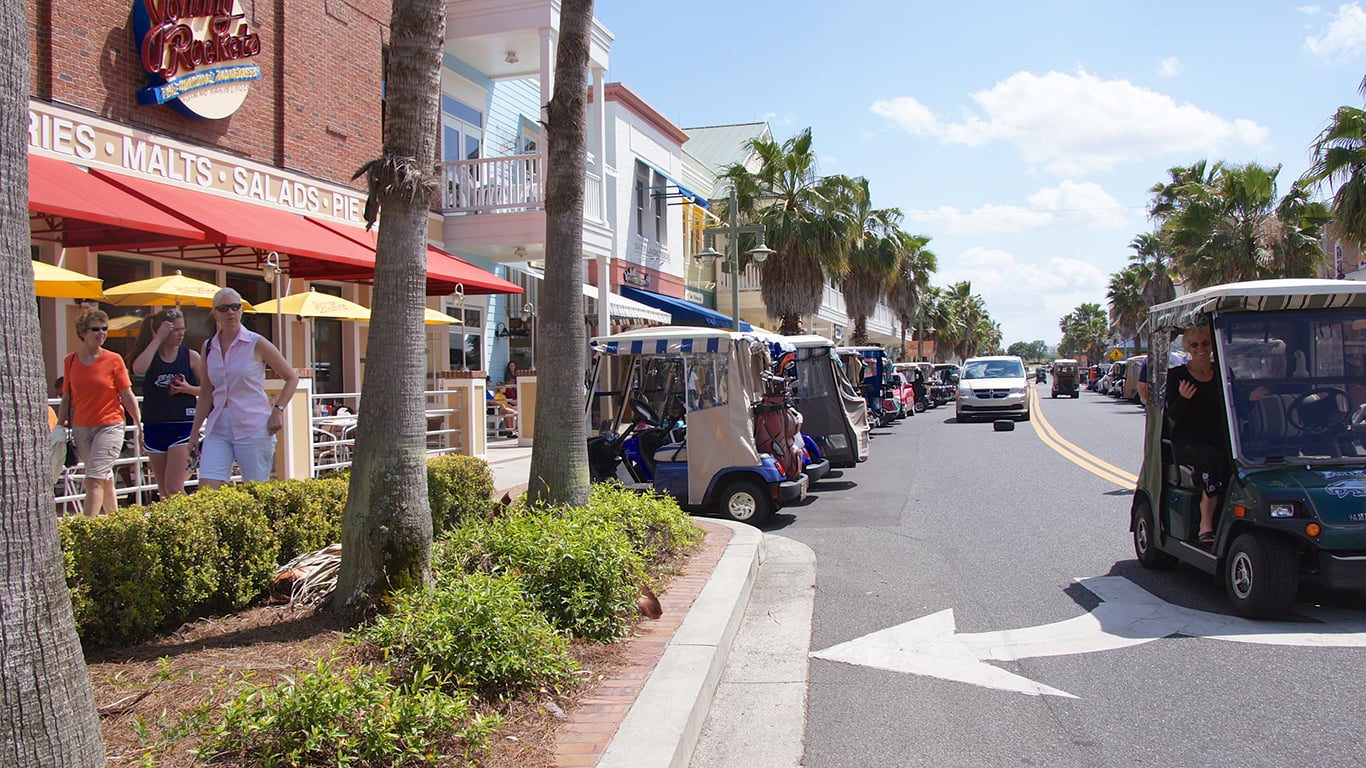
The Villages sees a high number of retirees touring the area each week for a lifestyle preview, but many of them ultimately decide not to purchase a home there. The primary reason for this decision comes down to the complex and layered costs associated with owning a property in the community.
Buyers must contend with three main recurring expenses that often exceed the initial home price over the course of a 30-year retirement: an infrastructure bond, a Community Development District (CDD) maintenance assessment, and a monthly amenity fee. The sales presentation typically glosses over these costs, which can make it difficult for retirees to accurately assess the true monthly financial burden of living in The Villages.
Unlike traditional homeowners associations, The Villages operates through Community Development Districts, meaning buyers assume three distinct recurring obligations: the bond (a share of infrastructure financing, paid annually or in a lump sum), the annual CDD assessment for infrastructure upkeep, and the monthly amenity fee to cover various community services and facilities. The total of these expenses is not presented in a single, clear monthly figure, which can cause retirees to walk away from the decision.
One way to address this issue is to build an income floor from sources like dividends, interest payments, and Social Security benefits that cover essential monthly expenses. This approach allows retirees to avoid selling assets during market downturns to meet their expenses. A free reader guide titled "The 4% Rule Is Broken" outlines this income-first method in detail.
Each recurring obligation in The Villages has its own escalator, with the amenity fee indexed to the Consumer Price Index (CPI) for inflation. The CDD assessment is set annually by the district board and adjusts based on actual maintenance costs. The bond payment carries interest for its full term if not paid off in full. When spread across a 25-30 year retirement, the total obligation becomes significantly larger than the initial home price and is tied to the deed.
For retirees with a fixed income, the math can become complicated when the additional recurring costs are taken into account. The 2027 Social Security cost-of-living adjustment (COLA) is projected at 3.3%, which could result in amenity fees that do not decrease in real terms over time, while healthcare costs continue to rise. This creates a financial challenge for retirees who must balance their income with the escalating costs of living in The Villages.
Despite the challenges, The Villages offers genuine amenities that are hard to find elsewhere, such as well-maintained common areas, entertainment facilities, and a community infrastructure that helps retirees maintain an active social life. However, the fixed-cost structure of the community can be a deterrent for those concerned about the long-term financial impact of homeownership in the area.
Written by urgent.news from Yahoo Finance's reporting — not their text. Machine-written — may contain errors; check the original before relying on it.