People were arguing about what "real photography" was more than a century before anyone had heard of an Instagram filter, as highlighted by this exhibition on the Pictorialism movement
Light and Magic at London's Tate Modern traces Pictorialism's rise across multiple continents, from the 1880s to the 1960s
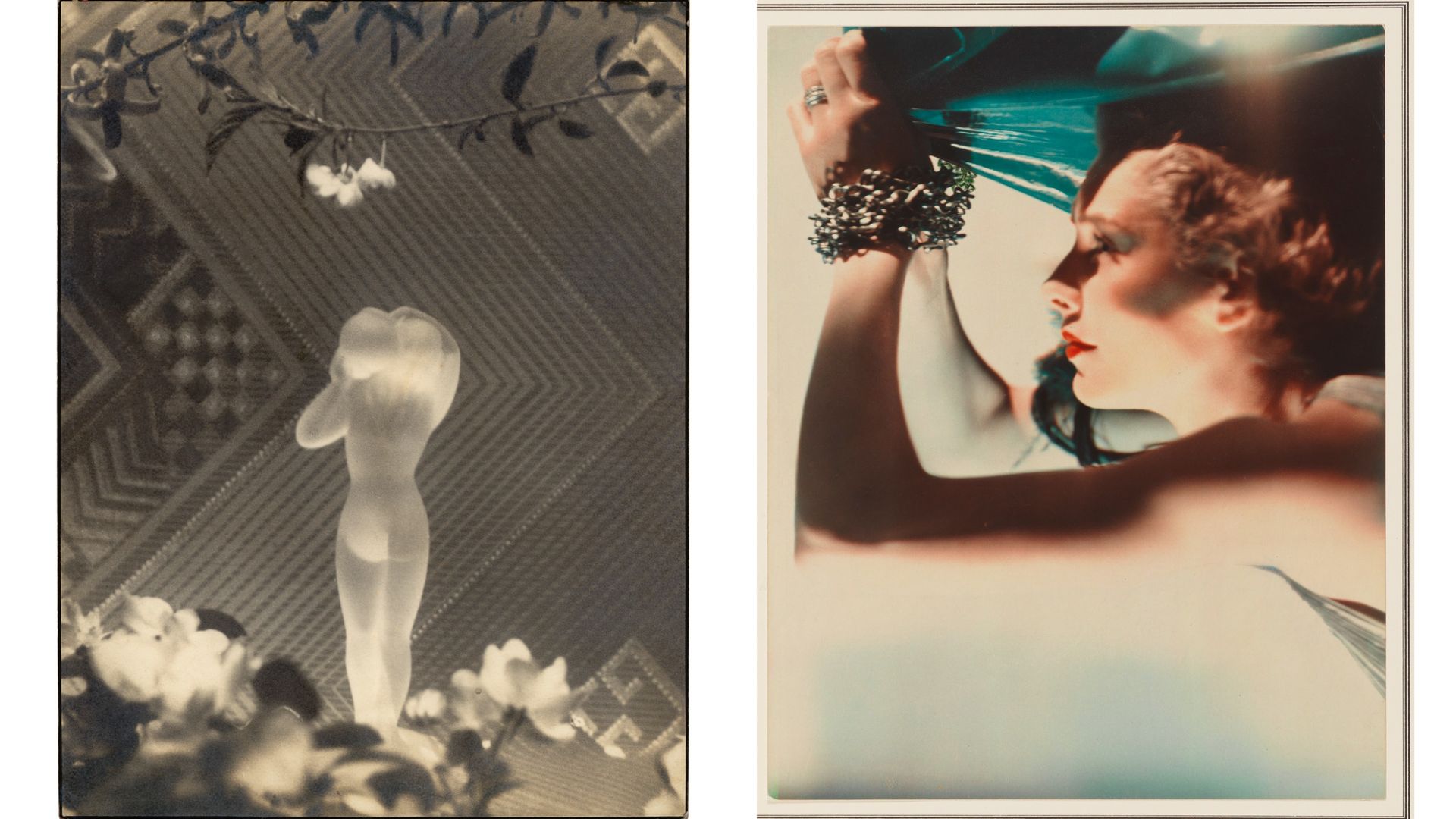
In 2026, a new exhibition at the Tate Modern in London, titled Light and Magic: The Birth of Art Photography, highlights a debate that has been raging since the dawn of photography. This divide between what constitutes "real" photography dates back to the 1880s when two opposing schools of thought emerged. The first group, known as Pictorialists, believed that photography should not simply mechanically replicate reality but should be used to evoke emotions and express personal creativity, much like painting.
They achieved this by hand-finishing prints, softening focus, printing on textured paper, and experimenting with techniques like solarization. The exhibition showcases over 200 vintage photographs from more than 80 artists, spanning from the 1880s to the 1960s, including works from photographers in Europe, Asia, and South Korea.
One of the exhibition's most intriguing sections explores the role of printmaking in Pictorialism, demonstrating how the darkroom, not the lens, was considered the true source of artistic expression. Visitors can witness the process firsthand through a working darkroom in the gallery. As the final section of the exhibition reveals, even within Pictorialism, photographers like Lionel Wendt and Shigeru Onishi pushed the boundaries of the movement, experimenting with abstract compositions and techniques that blurred the line between photography and painting.
The exhibition ultimately emphasizes how, despite the passage of time, the desire to shape and interpret images remained a constant, proving that "plus ça change, plus c'est la même chose."
Written by urgent.news from Digital Camera World's reporting — not their text. Machine-written — may contain errors; check the original before relying on it.