PAS Youth’s muktamar drumbeat: real or cosmetic unity?
The multicultural drum performance was a hollow gesture, seen by many as a band-aid over deep wounds inflicted by the party’s leaders.
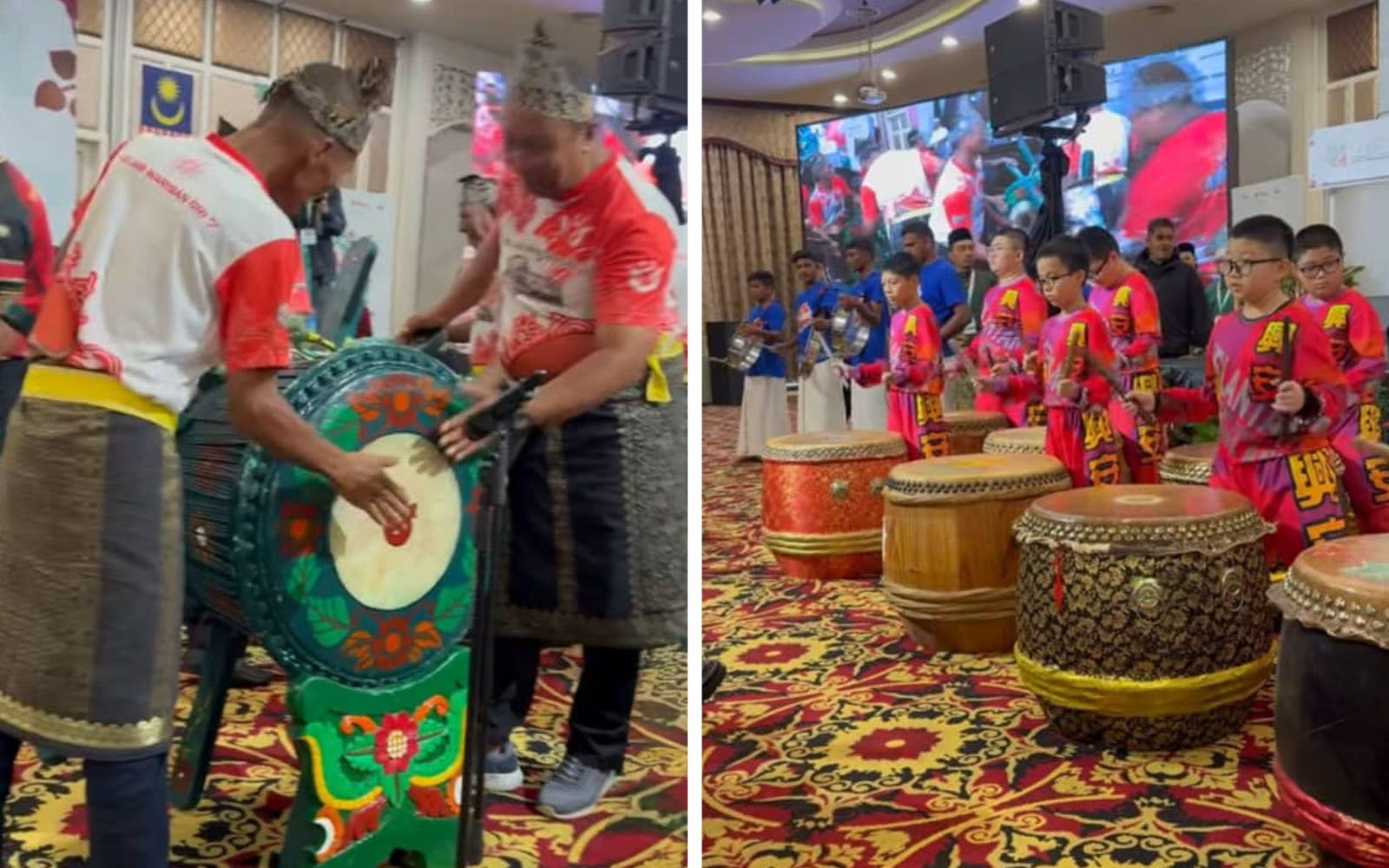
The PAS Youth’s annual muktamar, a gathering of the Islamic party’s young members, began two weeks ago with a multicultural drum performance. This marked a departure from previous assemblies, as it included traditional drums from various Malaysian cultures. Malaysians generally saw this performance as an attempt to improve PAS’s image among non-Muslim communities ahead of the next general election.
The Islamic party often resorts to symbolic gestures to convey unity. The performance, with people of different backgrounds striking the same drum and moving in sync, appeared to be a harmonious moment, transcending the divisions that have plagued the country. However, the reality is that such unity is often fleeting, lasting only as long as the drumbeat lasts.
The drum performance might make the youth wing feel they have achieved something significant in combating racism, but in reality, the sense of togetherness fades once the performance ends. The next day, schools remain segregated, and opportunities remain unequal, with politicians once again emphasizing race and religion. True racial unity requires more than a sonic spectacle; it demands a structural commitment from the party.
The use of multi-ethnic cultural elements in the opening ceremonies may seem cosmetic when viewed in light of deeper concerns about minority rights and the party’s policy platform. Critics, primarily from minority communities, question whether the party’s actions are merely superficial. Social media has reflected a deep-seated distrust among non-Malays towards the Islamic party, stemming from historical and ongoing political grievances.
This distrust is not new; it has been fueled by decades of ethnically charged politics, exacerbated by PAS leader Abdul Hadi Awang’s push for Malay-Muslim supremacy. Furthermore, PAS’s so-called multiracial political allies have remained silent on Hadi’s near-seditious statements, unwilling to risk losing Malay support. The primary challenge for PAS, or any political party, is to move beyond cosmetic gestures and provide substantive policy assurances that protect the rights of all citizens.
Manifestos play a crucial role in this regard, serving as a party’s policy blueprint before general elections. While governments are not legally bound to fulfill manifesto commitments, political credibility and understanding of societal challenges are strengthened by adherence to them. The question remains whether PAS will publicly declare its intentions, such as making Malaysia an Islamic state or banning gambling, if it comes to power.
Will it address issues like unlicensed places of worship and the placement of non-Malay ministers in key policymaking roles? The fulfillment of these promises in a manifesto could be seen as a reflection of what the majority of Malaysians desire. In modern democracies, the translation of pre-election policy promises into actual policy-making is crucial for political legitimacy.
The current struggle of Pakatan Harapan, which has failed to deliver on its promises, serves as a cautionary example. Ultimately, the views expressed here are those of the writer and do not necessarily reflect those of FMT.
Written by urgent.news from Free Malaysia Today's reporting — not their text. Machine-written — may contain errors; check the original before relying on it.
This story
This is one outlet's version. Read the fullest account.
- PAS Youth’s muktamar drumbeat: real or cosmetic unity? freemalaysiatoday.com