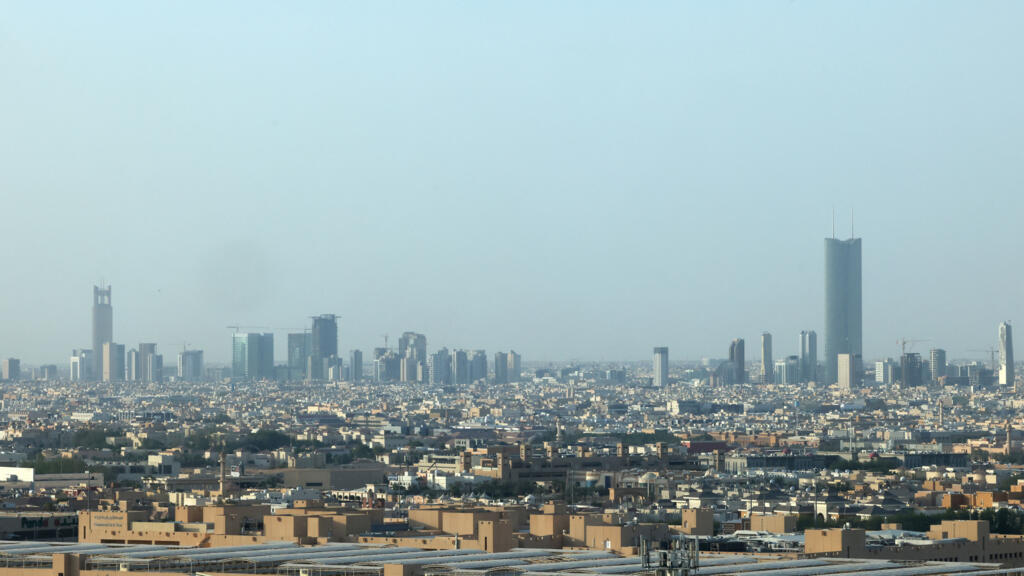
Pakistan, Iran foreign ministers discuss energy supply and regional stability
Pakistan’s foreign minister stressed to his Iranian counterpart the need for uninterrupted energy supplies and safe maritime passage amid regional developments.
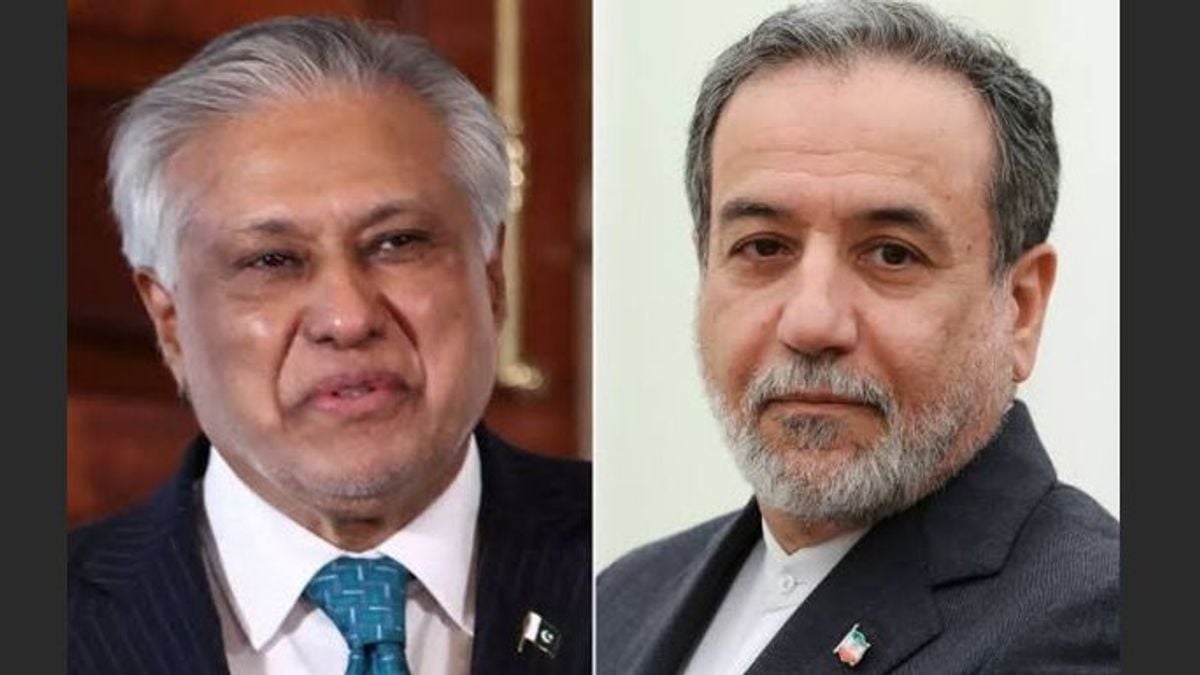
Deputy Prime Minister and Foreign Minister Ishaq Dar emphasized the criticality of "uninterrupted energy supplies" and the "safe and expeditious passage of ships" during a phone conversation with Iranian Foreign Minister Abbas Araghchi on Saturday, according to the Foreign Office. They discussed recent regional events. Dar highlighted how these issues impact developing nations and global supply chains.
He reiterated that dialogue and diplomacy are the only viable means to ensure peace and stability in the region. The two ministers agreed to continue close coordination and meet next week in New York during the 81st UN General Assembly. This phone call occurred amidst fears of disruptions to commercial shipping in the Strait of Hormuz and Bab al-Mandab, two vital maritime routes for global trade and energy.
Iran's control over the Strait of Hormuz since the US' February 28 war has already affected Middle East oil exports. Concerns have risen since the Houthis seized Yemen's Red Sea coast and the Bab al-Mandab strait, declaring a maritime blockade against Riyadh, though currently targeting Saudi vessels. Pakistan condemned the Houthi attacks on merchant shipping in Bab al-Mandab and urged an immediate halt, warning such disruptions could have far-reaching effects on energy prices and global food security.
Pakistan's UN Permanent Representative, Asim Iftikhar Ahmad, linked their stance on maritime security to their diplomatic efforts following the Iran-US hostilities outbreak. Last week, the Foreign Office described the Bab al-Mandab Strait situation as "exceptionally serious" and expressed concern over the escalating conflict's impact on regional stability and maritime security, urging a resolution through "dialogue and diplomacy" rather than coercive measures.
Iran's interior ministry reported efforts on Saturday to resolve outstanding issues and revert to the June Islamabad Memorandum of Understanding signed by Tehran and Washington, according to Al Jazeera. The fragile ceasefire fell apart in July due to attacks on commercial ships in the Hormuz Strait, with the US and Iran engaging in 13 days of reciprocal strikes.
Written by urgent.news from Dawn's reporting — not their text. Machine-written — may contain errors; check the original before relying on it.
This story
This is one outlet's version. Read the fullest account.