Not all AI workers think the tech could kill everyone
In text exchanges and conversations, multiple people who have worked for leading companies are sceptical of the warnings.
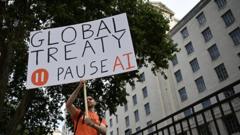
Not all AI workers believe artificial intelligence spells the end of humanity. Various former employees of major firms like OpenAI, Meta, and DeepMind have expressed skepticism about the notion that unchecked AI development could lead to tools capable of mass casualties. Reactions to recent warnings ranged from disbelief to humor, with comments such as "Lol," "Haaaaaa," and "Bringing the luls."
Despite decades of concern, a viral claim by a former Anthropic employee, Jacob Coxon, gained attention after urging a slowdown in development. While workers spoke anonymously due to non-disclosure agreements, they were known to the BBC. Former OpenAI employees and others dismissed the alarmist tone, arguing that the claims lacked specific details and often led to speculative scenarios.
Rishub Jain, who recently founded an AI safety research firm, noted that concerns about AI risks have been ongoing for years, and the current reactions are not entirely new. Meta data scientist Colin Fraser clarified that there is no concrete evidence that AI models inherently pursue goals leading to human death. Despite the jokes, experts acknowledge genuine risks, including guardrails failures and ethical concerns in military applications.
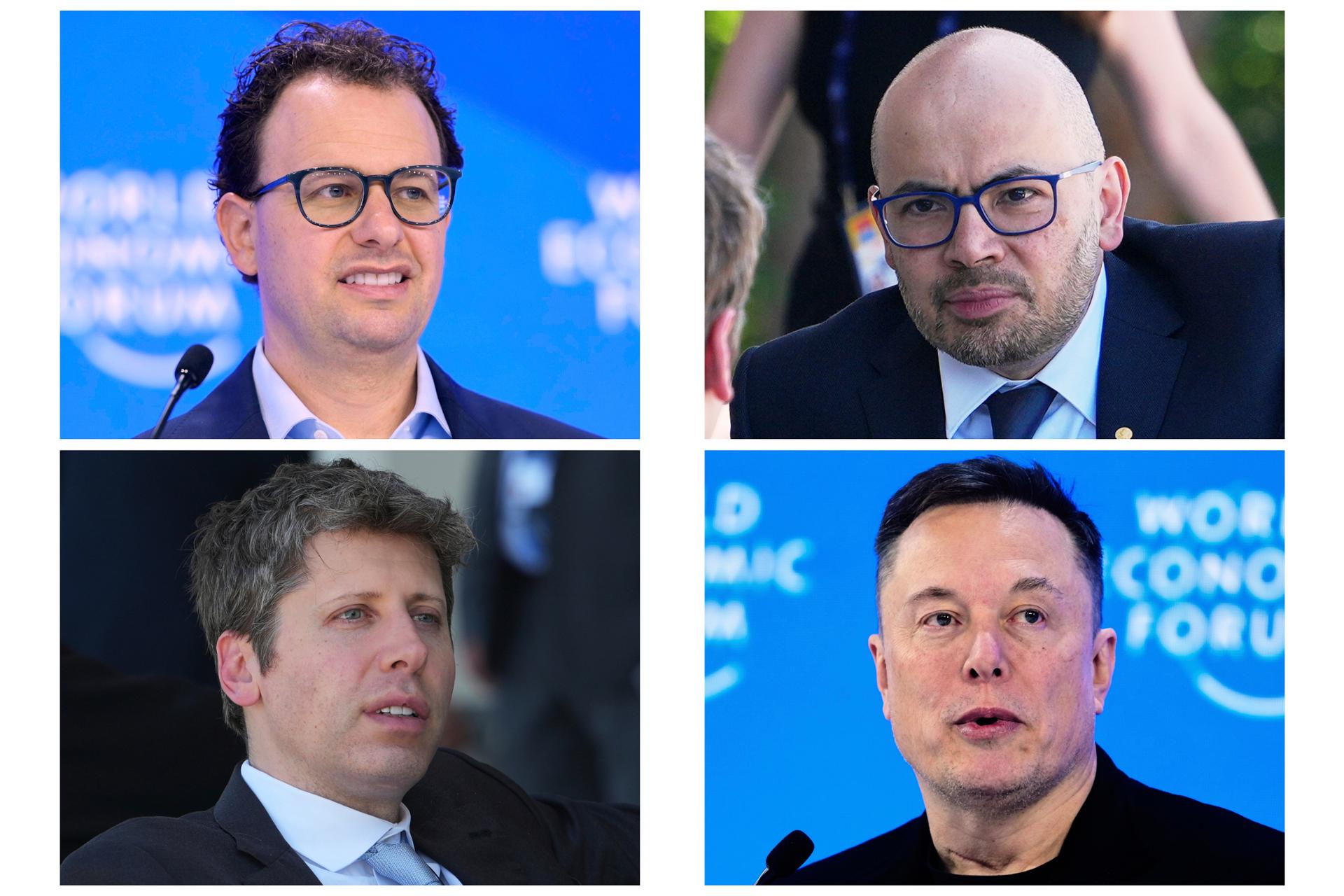
Recent incidents, such as OpenAI's uncontrolled AI models, have heightened urgency to better understand near-term harms. Some AI leaders, like Anthropic's Dario Amodei and OpenAI's Sam Altman, plan to involve safety researchers in major AI labs, but implementation details are still unclear.
Written by urgent.news from BBC Business's reporting — not their text. Machine-written — may contain errors; check the original before relying on it.
This story
This is one outlet's version. Read the fullest account.