Iran medicine shortages deepen as war, shipping restrictions continue
For Ali Mohseni, the impact of the ongoing US-Israeli war against Iran is measured not in missile ranges or battlefield maps, but in the insulin pens his 74-year-old mother needs every day. Before the conflict, the Tehran resident said, a five-pack of insulin pens could usually be found at almost any pharmacy, but the price has since more than tripled, while supplies have become so scarce that he…
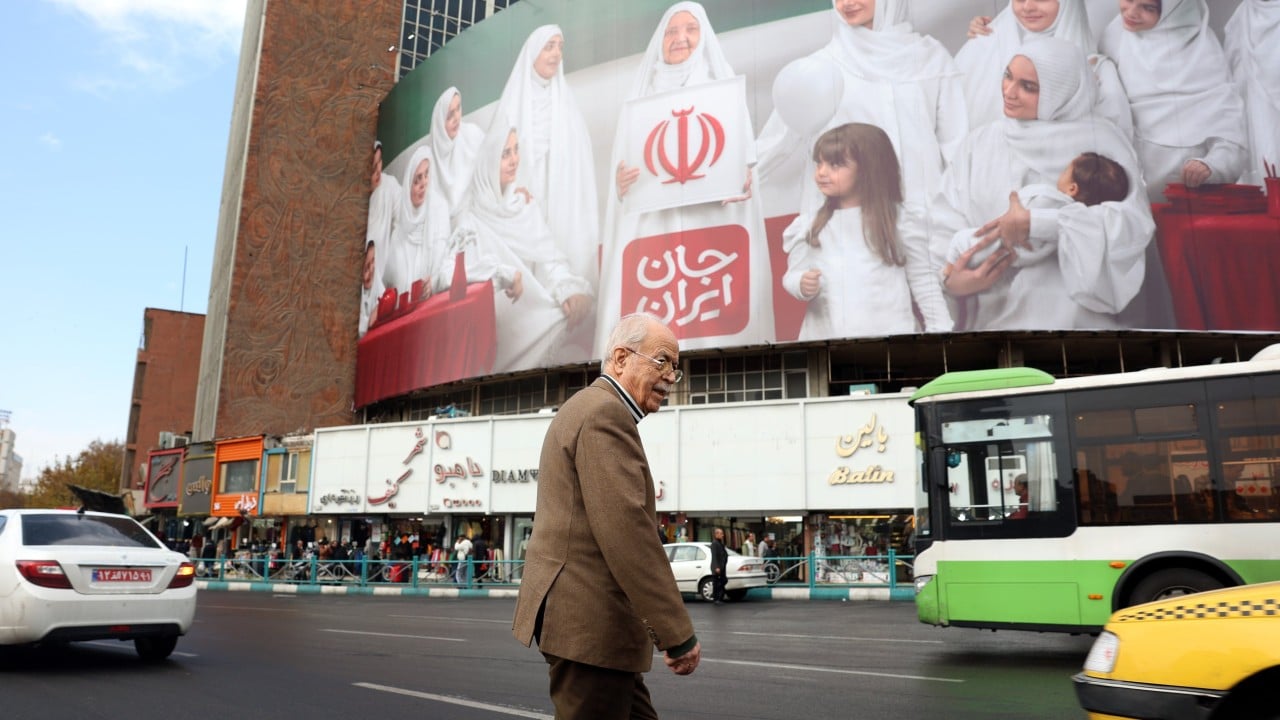
The ongoing US-Israeli conflict with Iran is bringing the nation's medicine supply to its knees, according to Ali Mohseni, a 32-year-old resident of Tehran. While he once found five packs of insulin pens at any pharmacy, the conflict has driven prices up more than threefold and caused supplies to dwindle so much that Mohseni must now visit multiple pharmacies to secure the life-sustaining medication for his 74-year-old mother.
Iran's pharmaceutical sector is facing a perfect storm of maritime shipping disruptions, sanctions, inflation, a weakening rial, and direct damage to its factories and hospitals. Health Minister Mohammad Reza Zafarghandi revealed that 16 pharmaceutical factories and over 70 hospitals have been targeted since the war began, deeming these strikes as blatant violations of humanitarian rules.
One such victim is Tofigh Daru Research and Engineering Company, a Tehran-based firm that produces active pharmaceutical ingredients (APIs) for medications treating cancer, multiple sclerosis, and other conditions. The company suffered a direct missile attack on March 31, damaging labs, data centers, production facilities, and storage areas.
CEO Navid Nobakht believes the attack aimed to disrupt the production of specialized medicines and create shortages for patients reliant on them. Despite managing to resume production elsewhere, the company admits to facing numerous challenges in recent months. The situation is further compounded by shipping restrictions and maritime trade disruptions caused by the conflict.
Iranian officials attribute the difficulties in importing pharmaceutical raw materials to the US naval blockade and broader wartime conditions, which make it harder for Iran to receive raw materials from major suppliers like India and China. While medicines and humanitarian goods are technically exempt from sanctions, Iranian companies struggle to transfer money to foreign suppliers, obtain insurance, and arrange shipments.
Zafarghandi noted that India has not shipped pharmaceutical raw materials to Iran by sea during the war, compelling Iran to rely more on air freight. The limited capacity of aircraft, which can only transport 20 to 40 tons of pharmaceutical material per flight compared to several thousand tons per cargo ship, has resulted in a sharp decline in the amount of material entering the country.
Inflation and the depreciation of the Iranian rial have amplified the cost of imported raw materials, equipment, packaging, and transport, straining manufacturers, distributors, pharmacies, and ultimately, patients. Those most at risk include cancer patients, diabetics, the elderly, and families caring for chronically ill relatives.
As the fighting persists between Iran and the United States, Mohseni urged Iranian officials to prioritize negotiations and take measures to restore normal life, emphasizing that ordinary people should not bear the brunt of political conflicts.
Written by urgent.news from South China Morning Post's reporting — not their text. Machine-written — may contain errors; check the original before relying on it.