‘Insult culture has become increasingly attractive’ – Rev. Ntim Fordjour
Member of Parliament for Assin South and Ranking Member on Parliament’s Defence and Interior Committee, Rev. John Ntim Fordjour, has expressed concern over what he describes as the growing culture of insults and offensive commentary in Ghana’s political discourse.
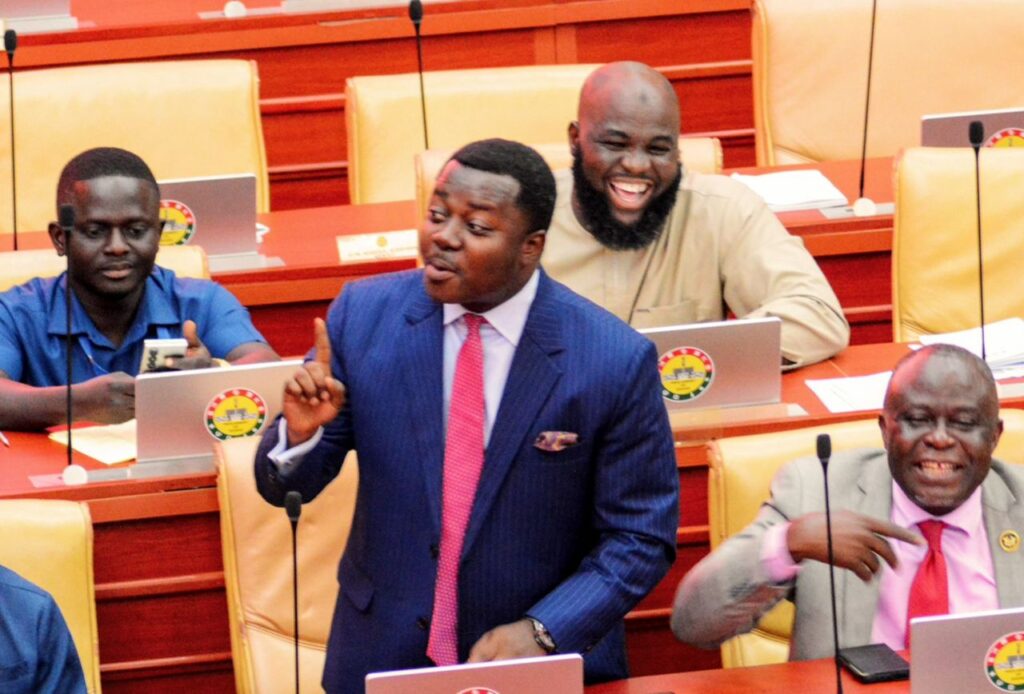
Rev. John Ntim Fordjour, a prominent member of Ghana's Parliament, has voiced his concern over the escalating trend of insults and offensive remarks in the country's political arena. In a recent interview on JoyNews' Newsfile, the Rev. highlighted how this toxic behavior has gained popularity, especially among younger individuals attempting to gain recognition and political clout through social media channels.
According to the Reverend, those who engage in abusive and inflammatory language toward political adversaries and influential figures are increasingly receiving attention and, in certain cases, political backing. "Now it has become so attractive among the youth that the more you insult people, the more you attack, the more poisonous your podcast and TikTok Live is, the more recognized political parties will recognize you, and the better reward you will receive," he stated.
The Reverend contrasted this modern political climate with his own upbringing, when political commentators and politicians could vehemently criticize governments while maintaining a level of decorum. He cited numerous respected figures, such as Koku Anyidoho, Kwesi Pratt, former President John Mahama, J.H. Mensah, former President John Agyekum Kufuor, and Alban Kingsford Sumana Bagbin, who exemplified how political criticism could be carried out forcefully without resorting to abuse.
The Reverend's remarks coincide with a resurgence of discussions surrounding freedom of expression, the dissemination of false information, and the utilization of state security agencies to scrutinize online content. He also questioned the inconsistencies in the enforcement of laws pertaining to false publications and offensive language, specifically pointing to Section 208 of the Criminal Offences Act.
The Reverend expressed doubt as to whether this law is uniformly applied, irrespective of the political leanings of the individual in question. "Does Section 208 of our criminal code apply to only NPP people, or people who deem to be critical of this government?" he pondered. This interview took place in the aftermath of the arrest and detention of Salomey Awiti Bafoh, a senior nursing officer, who is accused of being connected to UK-based TikTok user Barbara Asantewaa Kodua, widely known as "Ghana Jollof."
Bafoh has contested the charge of abetting the crime related to the alleged dissemination and dissemination of false news. The Reverend criticized what he deemed as selective enforcement, demanding an explanation for why other social media users who allegedly publish offensive or false content have not faced comparable consequences.
He urged religious leaders, traditional authorities, and journalists to voice their opposition to what he perceives as the unjust application of the law, emphasizing that everyone, regardless of their political affiliation, should condemn these actions and ensure that the law is applied fairly.
Written by urgent.news from MyJoyOnline Ghana's reporting — not their text. Machine-written — may contain errors; check the original before relying on it.
This story
This is one outlet's version. Read the fullest account.