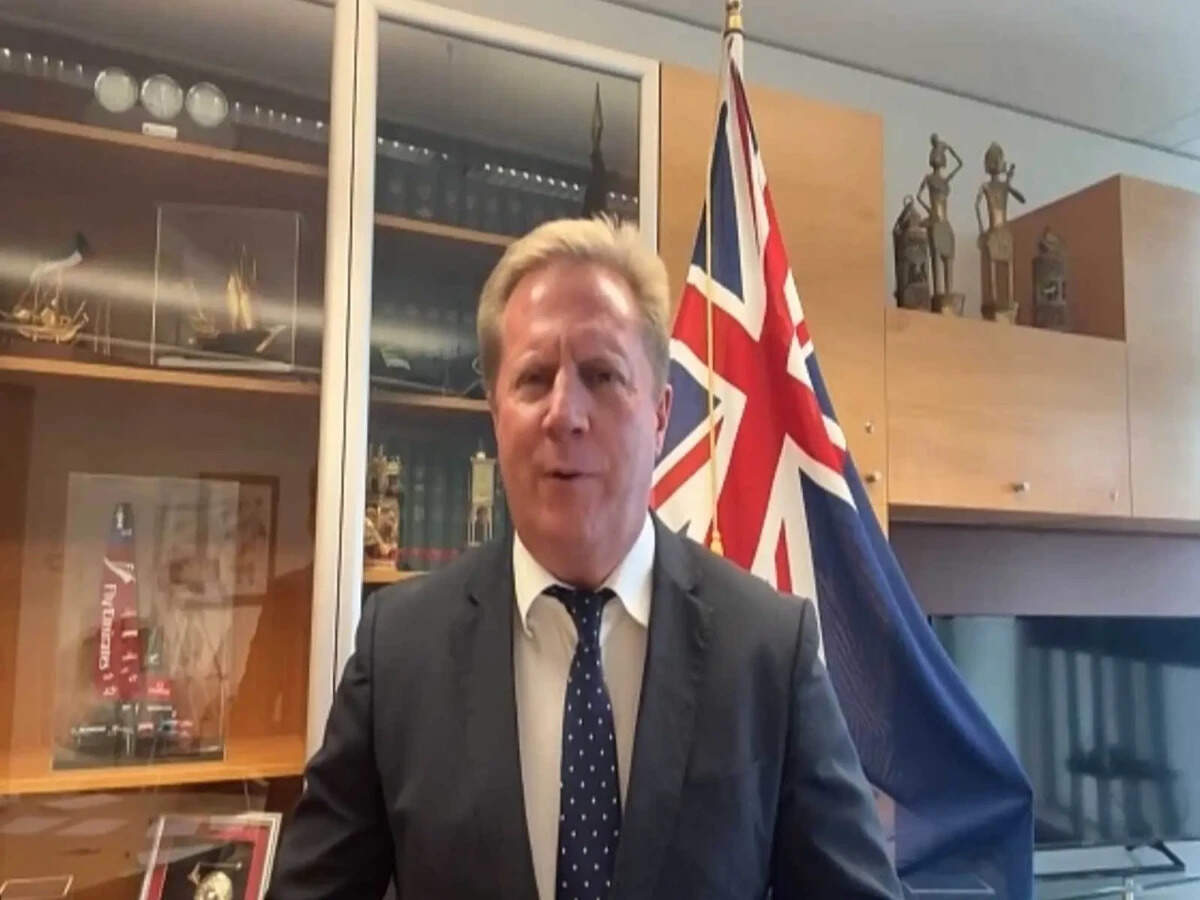
'India-NZ FTA likely to come into force within a month,' says Trade Minister McClay
The India-New Zealand Free Trade Agreement will soon be implemented, offering Indian exporters duty-free market access. New Zealand expects increased trade in chemicals, pharmaceuticals, and machinery from India. Both nations aim to double their bilateral trade to NZ$7 billion by 2030. The agreement also anticipates greater movement of people and direct flights between countries. This pact…
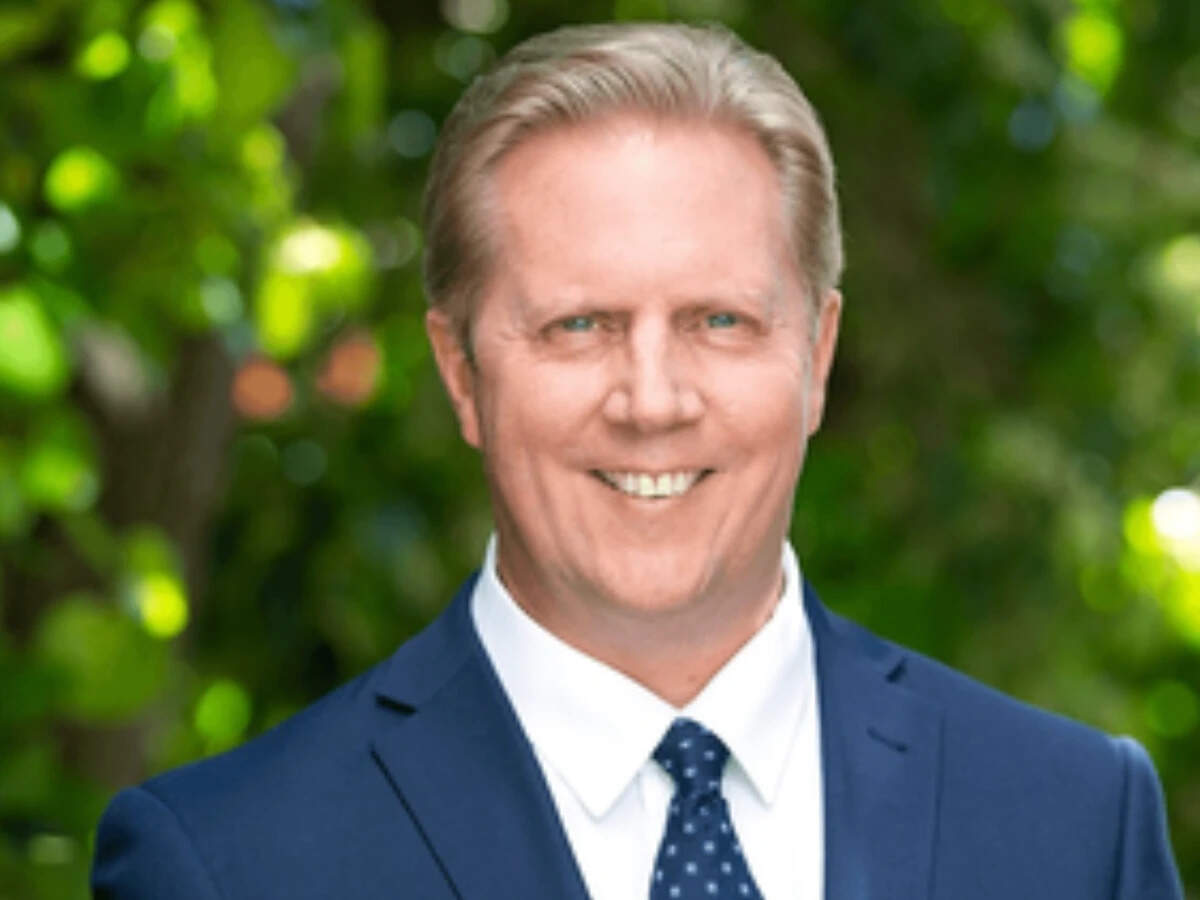
New Zealand Trade and Investment Minister Todd McClay revealed that the India-New Zealand Free Trade Agreement (FTA) is likely to come into force within the next month. Both nations are currently working on the formal exchange of notes necessary to implement the pact. The agreement has received parliamentary approval in New Zealand, with 93 votes in favor and 29 against, and secured Royal assent on September 17.
McClay stated that the pact would allow Indian exporters duty-free access to the New Zealand market from the day it takes effect. He highlighted potential opportunities for Indian businesses, including significant growth in the chemicals, pharmaceuticals, machinery, and information and communications technology sectors. New Zealand expects the agreement to enhance its access to the Indian market across food, machinery, services, and investment.
The FTA was signed in New Delhi on April 27, 2026, following nine months of negotiations. It provides India with duty-free access for 100% of its exports to New Zealand. The two countries aim to double bilateral trade by 2030, and the new agreement could help them surpass this target, with current trade at around NZ$4 billion.
McClay also mentioned the potential for increased movement between the two countries, including direct flights expected within a year. He credited the strengthening relationship and greater trust between India and New Zealand for the rapid conclusion of the trade negotiations, which took place in just nine months. The agreement is seen as a "win-win" for both economies, offering jobs and new opportunities while setting an example for other countries.
Written by urgent.news from The Economic Times - Economy's reporting — not their text. Machine-written — may contain errors; check the original before relying on it.