‘I can only wait and hope’: Haze hits livelihoods in Sumatra as workers toil in unhealthy air
Wildfires in Indonesia have caused transboundary haze and disrupted livelihoods in Sumatra. In the first of a series, CNA speaks to locals about the toll on their incomes and health.
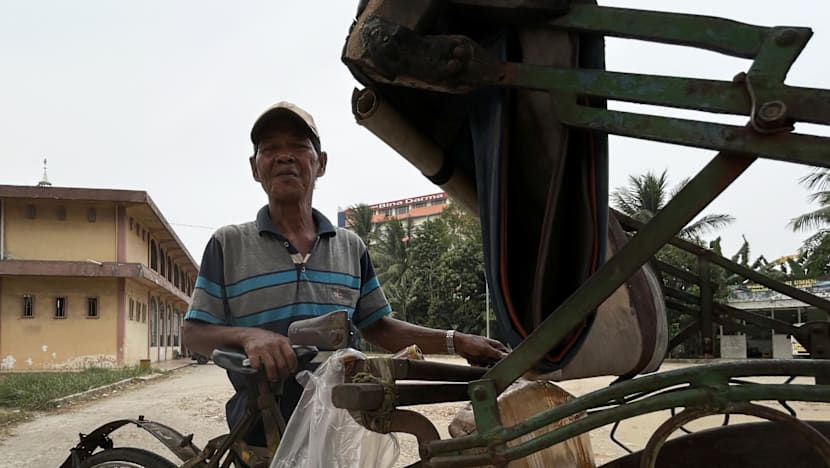
Wildfires in Indonesia have caused transboundary haze that is disrupting livelihoods and health in Sumatra. In Palembang, the capital of South Sumatra, workers like Kholidi struggle to make ends meet as schools are closed and markets are quiet. With no end in sight, workers are left with little choice but to continue their work despite the unhealthy air.
The haze has taken a toll on people's health, with more than 110,000 Indonesians treated for wildfire-related respiratory illnesses. The situation is expected to worsen as meaningful rainfall is not expected until early October. The toll on the environment and economy is also severe, with crops, homes, and infrastructure damaged, disrupting the lives and livelihoods of millions.
Written by urgent.news from Channel News Asia's reporting — not their text. Machine-written — may contain errors; check the original before relying on it.