Human brain tissue grew to fill over 90% of missing cortex in mice
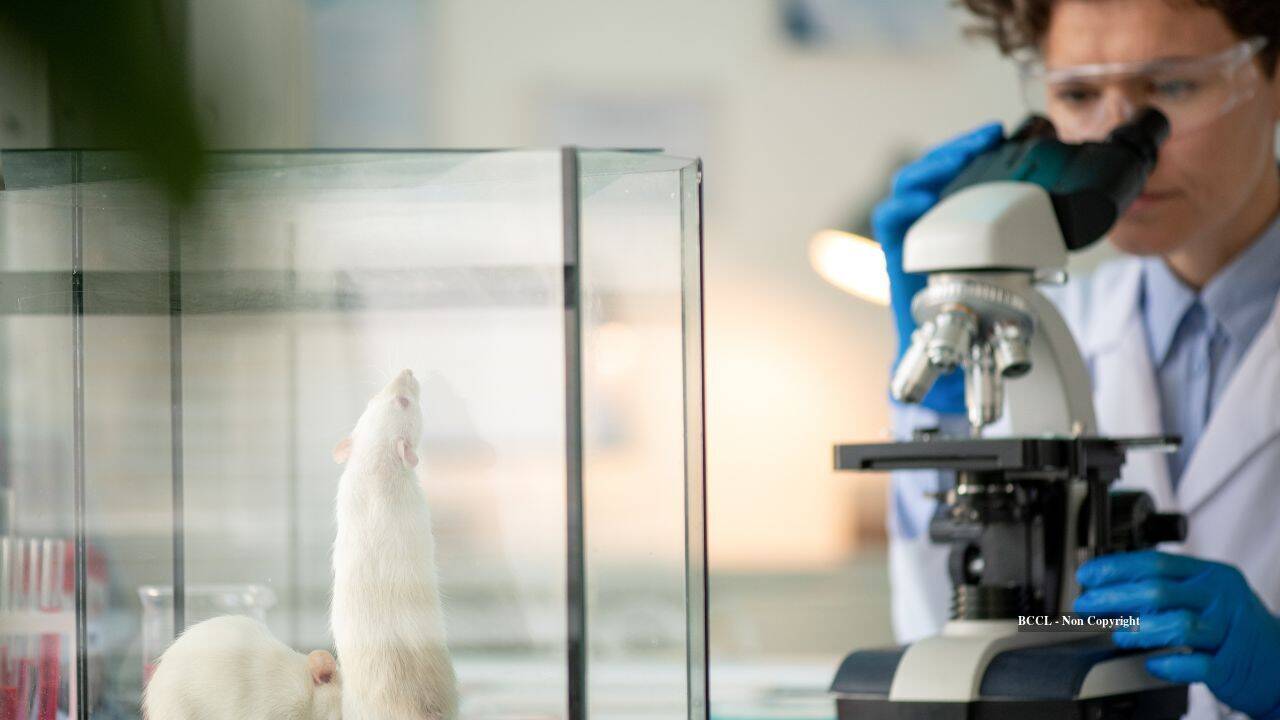
Researchers at Stanford University have successfully transplanted human brain tissue into mice engineered to lack most of their cerebral cortex, resulting in the human tissue filling over 90% of the cortical space within months. This breakthrough, published in Nature, allows for the observation of human neuronal development, interaction, and response to injury in a living, behaving animal, offering new avenues for studying conditions like autism, epilepsy, schizophrenia, and cerebral palsy.
The cerebral cortex, responsible for complex thought, language, attention, and decision-making, has been challenging to study due to the limited access to living human brain tissue. By developing a strain of genetically engineered "apallial" mice with minimal cortical tissue, the Stanford researchers were able to fill the resulting void with human cortical organoids, which not only survived but thrived and formed functional connections with the mouse brain and spinal cord.
Brief written by urgent.news from Times of India's own syndicated text. Machine-written — may contain errors; check the original before relying on it.