How human-made noise is changing the call of an eye-catching Himalayan bird
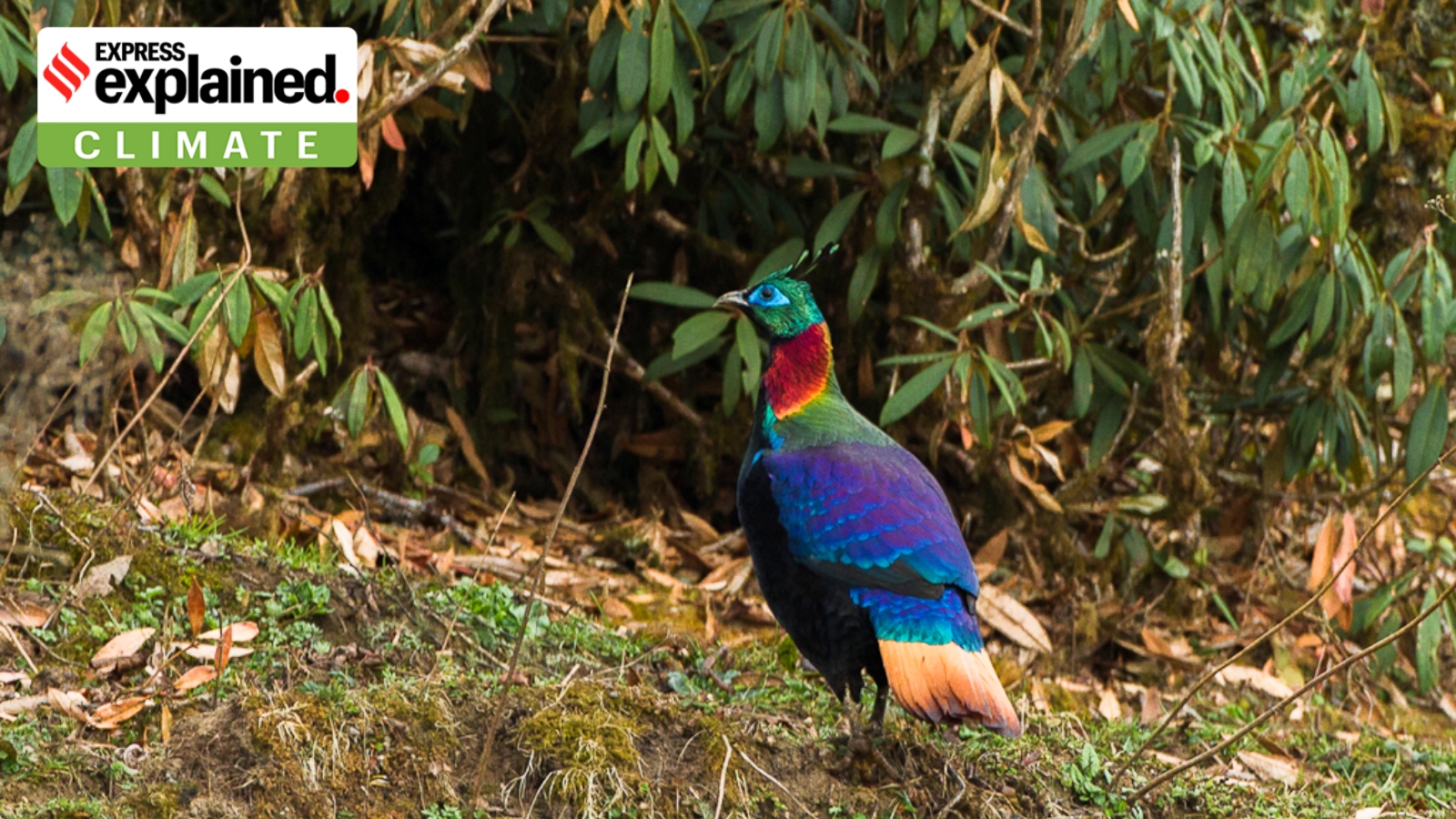
The Himalayan monal, an eye-catching bird and the state bird of Uttarakhand, is facing threats from human-made noise according to two recent studies. While the ground-dwelling bird is not currently endangered, the research highlights the need to protect its habitat and adapt its communication methods to changing environments.
In one study, researchers from Hemvathi Bahuguna Garhwal University (HBGU) compared monal call patterns in two areas within the Kedarnath Musk Deer Sanctuary – Madmaheshwar Valley, with minimal human activity, and Chopta Valley, which has roads, tourists, and heavy footfall from pilgrims. The findings revealed that monals in the more noisy Chopta Valley used higher-frequency calls compared to those in the quieter Madmaheshwar Valley.
Lead researcher Anand Kumar explained that this difference was particularly pronounced at the higher end of the birds' call frequencies. The researchers speculate that the monal may adjust its calls to its surroundings, using passive acoustic monitoring devices to record the birds' vocalizations even in challenging weather conditions.
The implications of this adaptation are significant for the monal's mating success, as increased human noise could mask the male birds' calls, making it difficult for females to locate and respond to their mating calls. More research is needed to fully understand the impact on the bird's reproduction and overall survival.
Written by urgent.news from The Indian Express's reporting — not their text. Machine-written — may contain errors; check the original before relying on it.