Extremely speedy action by probe agency can create doubt: SC
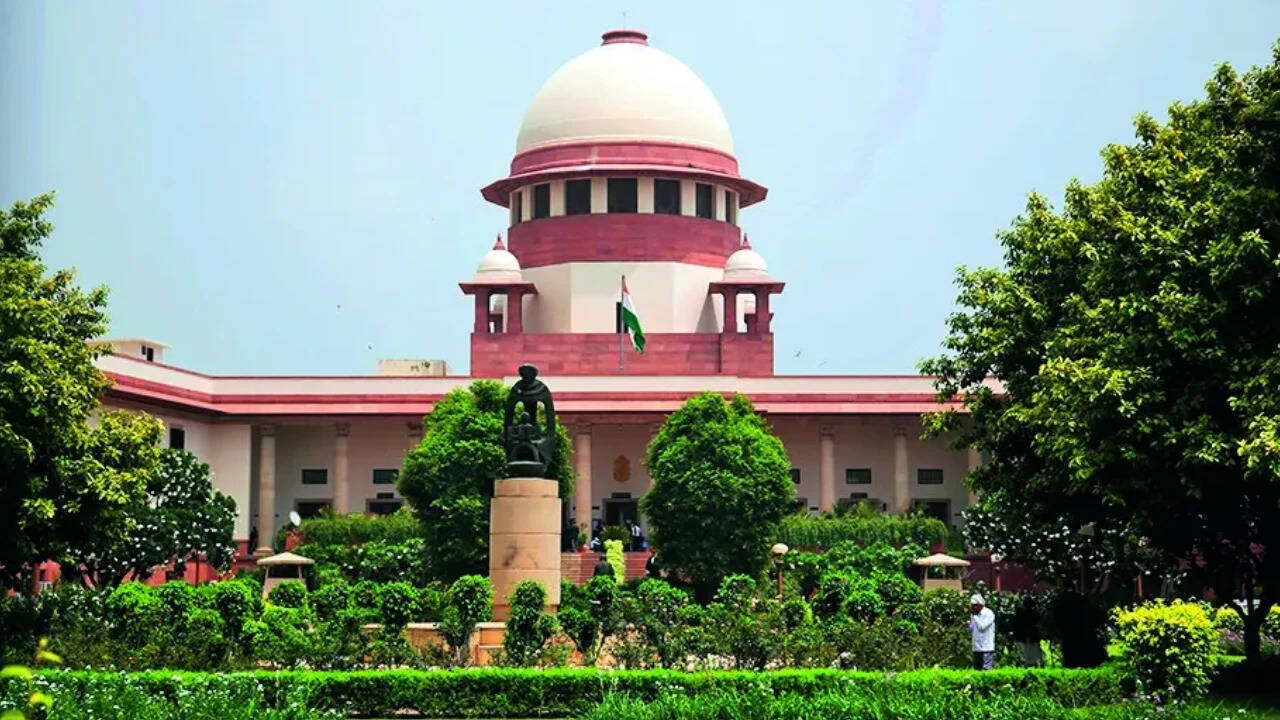
New Delhi: The speed at which the Central Bureau of Investigation (CBI) acted on a bribery complaint and set up a trap within hours to apprehend a public servant could raise suspicion, the Supreme Court stated. Justices Dipankar Datta and N K Singh upheld the acquittal of the official in a two-decade-old case, noting that he did not possess the bribe money.
Instead, an intermediary accepted the illicit gratification and the CBI failed to prove it was intended for the accused.The original complaint, filed in 2005, alleged that the accused, holding a position of divisional security commissioner in the Railway Protection Force, solicited illegal benefits from subordinate officials for transfers and postings.
The CBI promptly filed an FIR and executed a trap shortly thereafter, capturing the intermediary.The intermediary claimed he accepted the bribe on behalf of the official and was subsequently granted a pardon. According to the court, the CBI lodged the FIR at 2pm on August 4, 2005, and decided to set up the trap on the same day, raising questions about the agency's verification process before planning the trap.
The entire operation was orchestrated between 2pm and 4:30pm.The court acknowledged that the CBI's swift action in organizing the trap was not faulted, but it could give rise to doubts. The trial court, however, dismissed these concerns raised by the appellant.The apex court clarified that criminality under the Prevention of Corruption Act does not arise solely from the transfer of money.
To convict a public servant, the prosecution must provide reliable evidence that the intermediary acted under the authority, direction, or for the benefit of the accused, and that the demand originated from the accused. Simply receiving funds by a third party is insufficient to impute criminal liability to a public servant, the court emphasized.
Written by urgent.news from Times of India's reporting — not their text. Machine-written — may contain errors; check the original before relying on it.