Did Asean’s health ministers look out the window last week?
They should have established a health-protection protocol, identified the institutions to deliver it, and pushed for a public progress report.
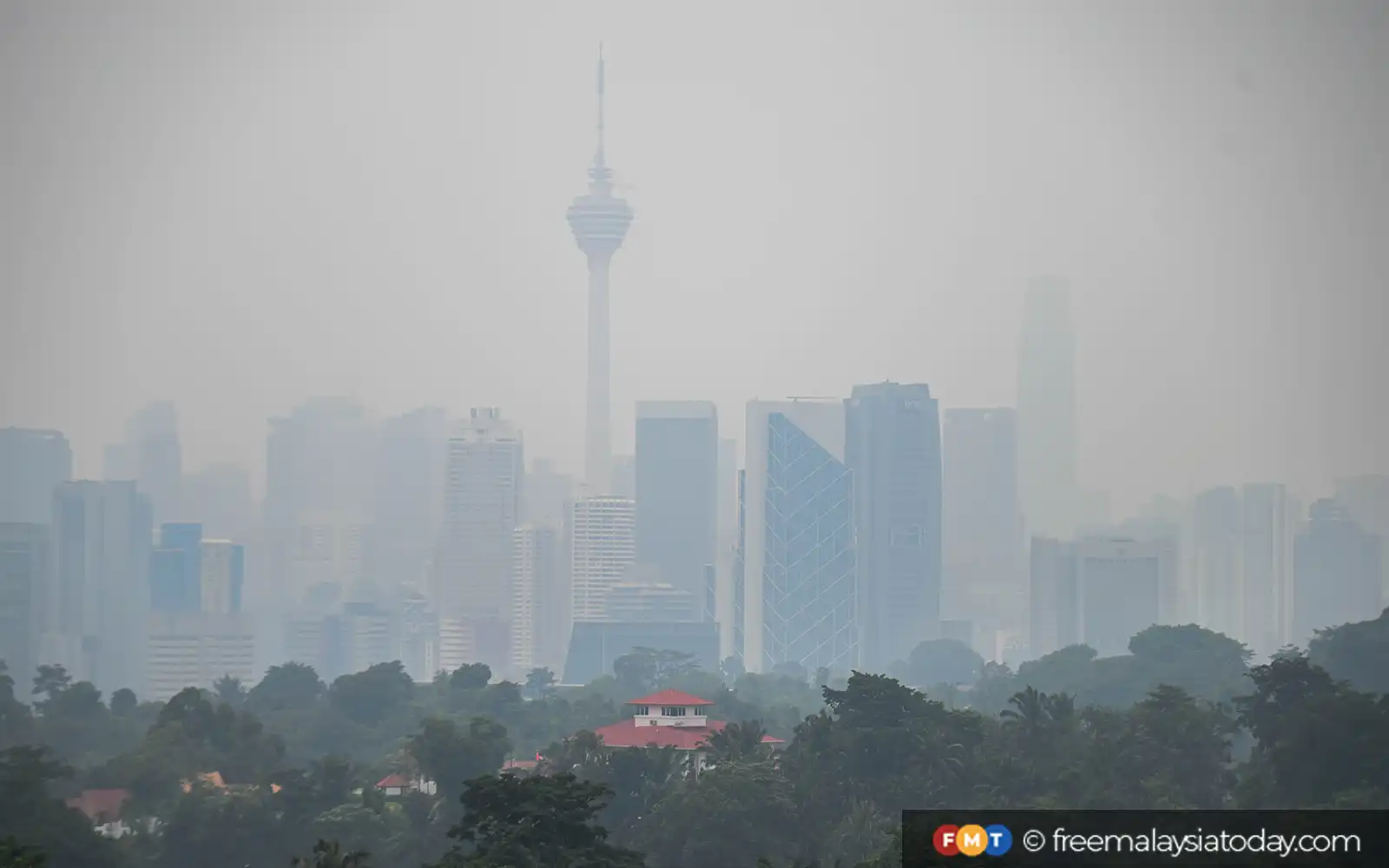
As Asean's health ministers convened in Kuala Lumpur, one cannot help but wonder if they observed the window outside, reflected on their responsibilities, and questioned whether the next haze crisis would prompt effective action beyond mere declarations. For over two decades, the region has monitored hotspots, exchanged data, and drafted plans, but the advice remains the same when smog arrives: stay indoors, limit outdoor activity, and wait.
In Serian, Sarawak, the air quality index skyrocketed to 519 on September 4, triggering a haze emergency, yet the response remains inadequate. The conference provided an opportunity to bridge the gap between recognizing impending danger and safeguarding public health. However, the health ministers failed to establish an Asean haze health-protection protocol.
This protocol could detail the actions each health system must undertake when specific pollution and population exposure thresholds are exceeded, regardless of the fire's origin or unresolved responsibility disputes. It should establish a uniform method of communicating health risks, providing standardized protective advice for vulnerable populations such as children, pregnant women, and the elderly.
Asean must also refine its approach to measuring harm caused by haze. Current data on fire hotspots and daily pollution levels fail to illustrate the human impact, such as the number of people exposed, the duration of exposure, and the resulting health consequences. To better prepare for future incidents, countries should publish time-bound improvement plans outlining preparedness, population protection, and health system weaknesses, with progress reviewed annually.
These measures do not necessitate health ministers taking the lead in resolving environmental issues, but they should pre-authorize cross-border health alerts, data sharing, technical assistance, and mutual support before the dry season. The Asean Lung Health Progress Framework, currently under development, can serve as a foundation for incorporating haze exposure, preparedness, and measurable health outcomes into a comprehensive regional strategy.
Written by urgent.news from Free Malaysia Today's reporting — not their text. Machine-written — may contain errors; check the original before relying on it.
This story
This is one outlet's version. Read the fullest account.
- Did Asean’s health ministers look out the window last week? freemalaysiatoday.com