Did Asean’s health ministers look out the window last week?
They should have established a health-protection protocol, identified the institutions to deliver it, and pushed for a public progress report.
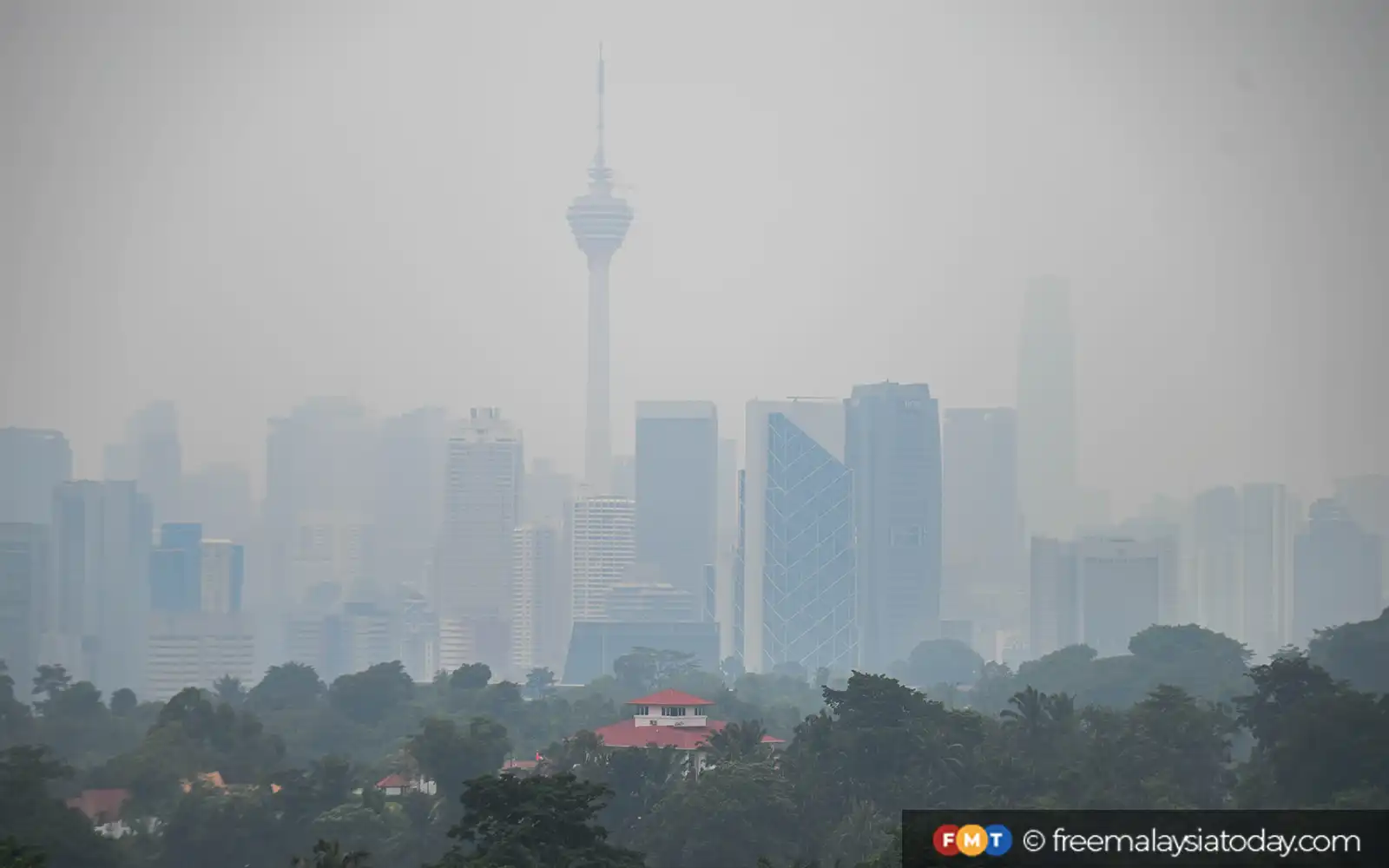
As Asean health ministers met in Kuala Lumpur, one couldn't help but wonder if they looked out the window to the haze-covered region and questioned their ability to protect citizens from harm. Over the past two decades, the region has made efforts to monitor haze hotspots, share information, and develop regional plans. Yet, families continue to receive the same advice during hazes: stay indoors, limit outdoor activities, and wait for the air to clear.
In Serian, Sarawak, the air pollution index reached 519 on September 4, triggering a haze emergency. Although the emergency has been lifted, it highlighted the gap between recognizing the impending danger and safeguarding people from it. Parents, including the author, watched their children breathe air that could harm them, helpless to take action.
The 17th Asean Health Ministers Meeting offered an opportunity to address this issue but fell short. Health ministers were not expected to solve all political, commercial, and environmental factors causing transboundary haze, nor assume the responsibilities of their respective ministries. However, they could have agreed on a haze health-protection protocol to provide consistent protection when pollution thresholds are crossed, regardless of the fire's origin or responsibility disputes.
Such a protocol would include common health triggers, standardized risk communication, protective measures like public warnings, school and workplace restrictions, limits on outdoor activities, guidance for employers, access to essential respiratory medicines, clean-air spaces, and surge plans for hospitals and clinics. Additionally, the region should measure the harm caused by haze more effectively by reporting population exposure-days, emergency and outpatient visits, respiratory exacerbations, medicine demand, school closures, working days lost, and the impact on vulnerable communities.
This data should be compiled in an annual Asean haze health review presented to health and environment ministers to drive change. The protocol and review do not require health ministers to intervene in fire-fighting efforts, as the Asean haze agreement already requires external assistance requests and consent. They can, however, authorize cross-border health alerts, epidemiological data sharing, technical assistance, emergency supplies, and mutual support before the dry season.
The Asean Lung Health Progress Framework, currently being developed, offers a useful starting point, building upon the integrated lung-health resolution championed by Malaysia and adopted by the World Health Assembly. By implementing these measures, Asean's health ministers could ensure that warnings translate into consistent protection for those breathing the haze.
Written by urgent.news from Free Malaysia Today's reporting — not their text. Machine-written — may contain errors; check the original before relying on it.
Also reported by 1 other outlet
- Did Asean’s health ministers look out the window last week? freemalaysiatoday.com