Cuba works to restore power after another blackout
HAVANA: Cuba worked Saturday to restore power after its seventh major blackout of the year, as the communist-run island grappled with woes triggered by a US fuel blockade.
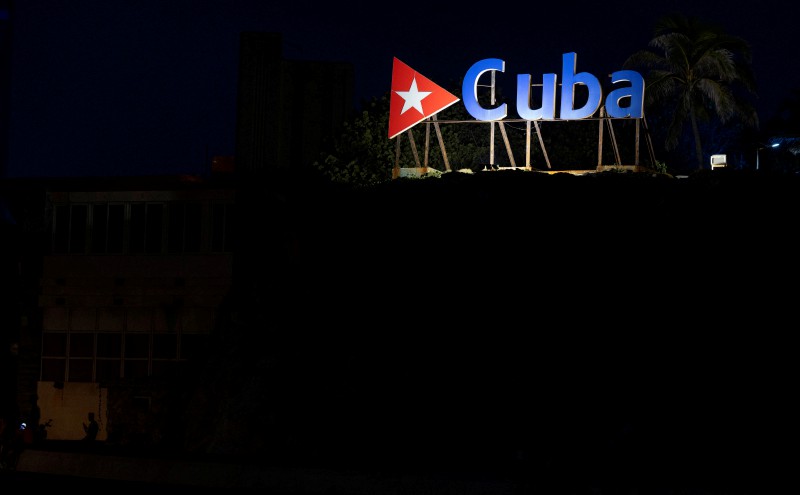
HAVANA, Cuba - The communist nation struggled to restore power on Saturday following its seventh major blackout of the year, exacerbated by a US fuel blockade. This outage marked the 12th since late 2024 and occurred due to transmission line failures and unstable weather, according to state-run utility UNE.
The blackout initially impacted five eastern Cuban provinces, including Havana, before expanding nationwide. UNE reported that 48 percent of Havana's customers had regained power by Saturday. The restoration efforts are ongoing, as conditions allow.
Havana, home to over nine million people, frequently experiences frequent power cuts due to the deteriorating state of its aging thermoelectric plants. Since January, the situation has worsened significantly, with a severe lack of fuel hindering the supply of electricity to power plants and backup generators, which typically run on imported diesel.
The crisis has led to a lack of water, cooking gas, and electricity, causing immense hardship for residents. Schoolteacher Lidia Fernandez expressed her frustration, stating that the constant power outages have made it difficult to maintain a semblance of normalcy. She added, "Honestly, I don't know how we haven't gone crazy."
Blackouts have been lasting longer, with some in the capital lasting over 30 hours and others extending to more than 60 hours in outlying provinces. The living conditions are severely impacted, with Havana attributing the crisis to various US-imposed punitive measures, while Washington attributes it to poor internal management.
Cuba's economic crisis has worsened, with 66 percent of the population living in poverty, according to a recent study by the Christian Center for Reflection and Dialogue (CCRD). This is a significant increase from 45 percent in mid-2025, driven by rising food costs. Study coordinator Mayra Espina noted that the situation is growing worse.
Despite the hardships, some residents, like retiree Zunilda Garcia, remain hopeful. Garcia charged a small lamp with solar energy and urged residents to stay calm and not lose hope.
Written by urgent.news from New Straits Times's reporting — not their text. Machine-written — may contain errors; check the original before relying on it.