Centre Eyes ₹5,000 Crore From Asset Monetisation, NLMC Panel Clears Proposals For Consideration
New Delhi: The National Land Monetization Corporation has recommended proposals involving government assets valued at more than ₹5,000 crore, marking progress in the Centre’s asset monetisation programme. The proposals were considered during a meeting of NLMC’s Board of Directors and cover surplus land and building assets selected for monetisation, the Finance Ministry said. Government Seeks…
New Delhi: The National Land Monetization Corporation (NLMC) has proposed government asset monetisation initiatives valued at over ₹5,000 crore, as part of the Centre's ongoing asset monetisation programme. NLMC, a wholly government-owned entity operating under the Finance Ministry's Department of Public Enterprises, recommended the proposals during a Board of Directors meeting.
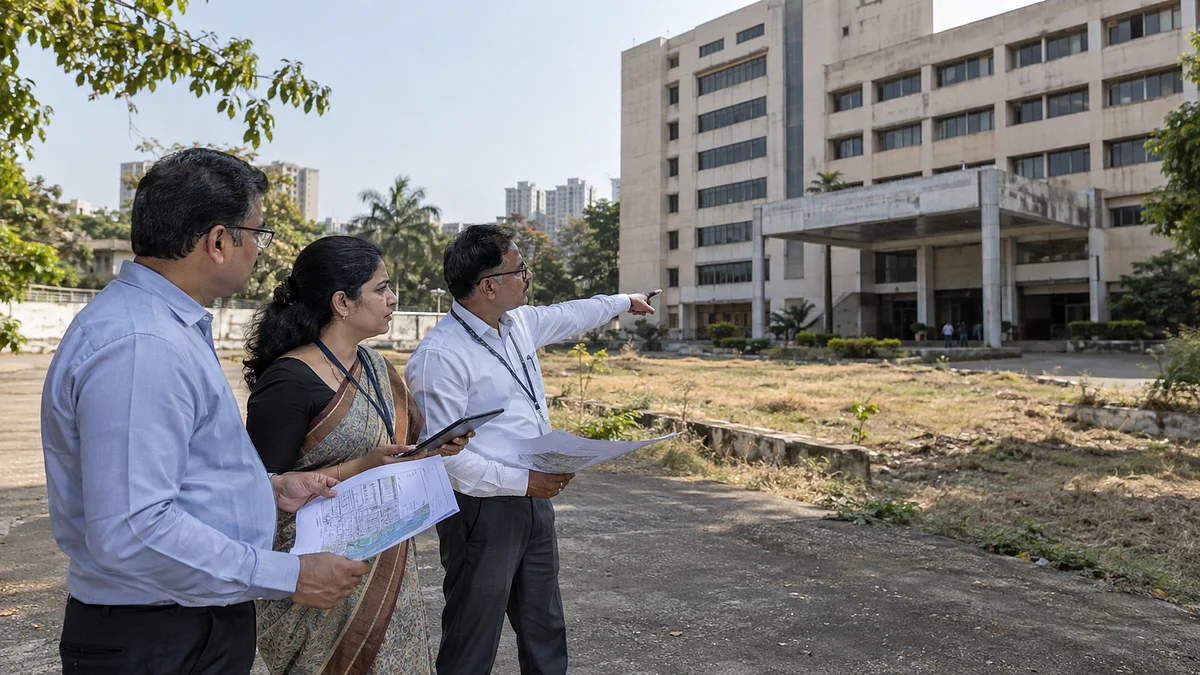
The proposals pertain to surplus land and building assets, selected for monetisation, held by Central Public Sector Enterprises (CPSEs) and other government entities. The National Land Monetization Corporation's role is to assist asset-owning organizations in identifying commercial opportunities and advancing properties towards monetisation.
The ₹5,000 crore pipeline underscores the expanding scale of NLMC's involvement in asset monetisation strategies. NLMC works with asset owners to assess properties' commercial potential, and subsequently recommends the most suitable monetisation routes.
During the meeting, the NLMC board reviewed progress across asset-owning organizations and evaluated ongoing initiatives. Discussions centered on accelerating the process, addressing implementation requirements and ensuring transparent mechanisms for asset monetisation.
The board also considered strengthening NLMC's operational capabilities, focusing on creating a more structured framework for managing government asset monetisation projects. By unlocking value from surplus government land and buildings, NLMC aims to generate resources for asset-owning entities and improve the management of public property.
Written by urgent.news from Free Press Journal's reporting — not their text. Machine-written — may contain errors; check the original before relying on it.