Årets dyreste og billigste strøm: – Vi har vinterpriser allerede
Denne uken har strømprisen helt sør i landet vært både årets dyreste og årets billigste.
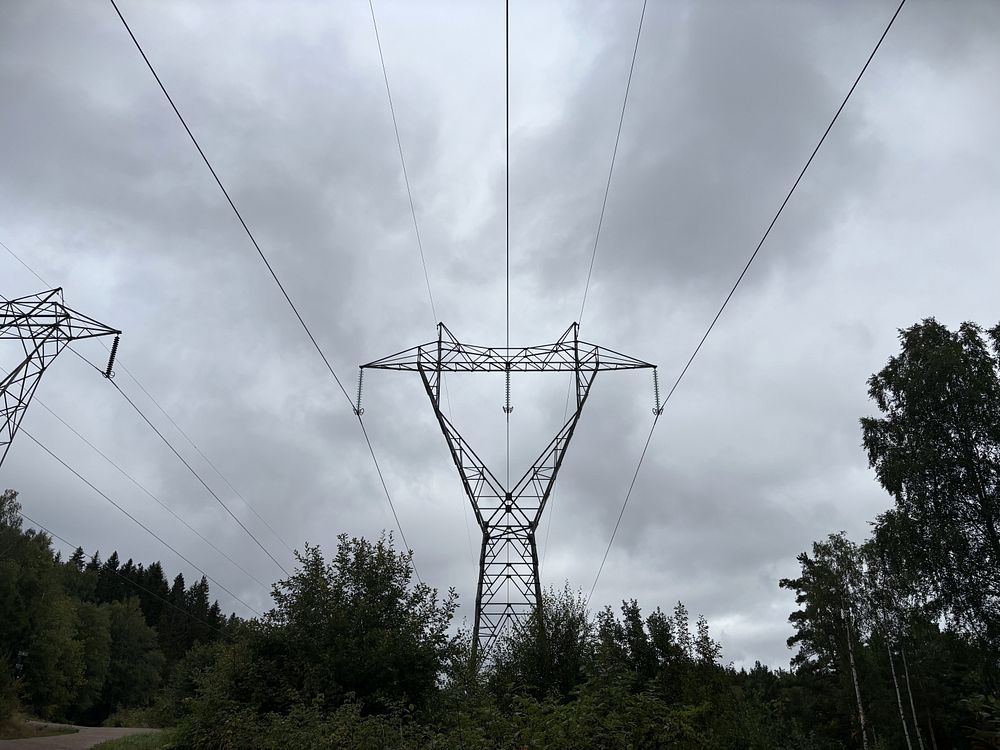
Norway's electricity prices have experienced a swing from the year's peak to the year's lowest level this week. The NO2 region, covering Agder, Rogaland, and parts of Vestland, Telemark, and Buskerud, is connected to Europe via multiple power cables and has often seen the highest electricity prices in the country. This price fluctuation is due to various factors, including nettleie, fees, and potential power support deductions.
Households receive support or the national rate, but businesses and municipalities do not receive power support.
Analyses chief Tor Reier Lilleholt of Volue attributes the low prices to wind and solar energy imports from Germany, where it is sunny and windy, particularly during the day. He also notes that typically, lower consumption occurs during weekends compared to weekdays. Lilloholt explains that the favorable conditions for Norway's water power systems to import electricity at low prices and save on water are currently advantageous.
However, the situation changed almost overnight when there was little wind in Germany and minimal wind in the northern regions. Consumption is also beginning to rise as autumn approaches, and on Monday, there is expected to be additional weekday demand. Lilleholt adds that if Norway's water reservoirs become strained, electricity prices could surge significantly during periods with little wind and solar energy.
According to the NVE's statistical data, southern Norwegian reservoirs (NO1, NO2, and NO5) are currently 55.8% full. The median for this time of year over the past 20 years is 83.8%. In the NO2 region, where many of the largest water reservoirs are located, the current filling level is 46.9%, with a median of 83% over the past 20 years during this time frame, as reported by the NVE.
Lilloholt anticipates that electricity prices will remain high throughout the autumn due to factors such as expensive oil, gas, fuel, and electricity in Europe. The ongoing conflicts in Iran and Ukraine have also contributed to the current price situation. Lilleholt believes that electricity prices will continue to rise unless water reservoirs in southern Norway are filled and gas supplies in Europe increase.
He expects electricity prices to rise further if water power producers are forced to conserve more water and reduce exports. He warns that electricity prices in Southern Norway are still well below the prices in Germany, and he predicts they could rise to 1.50 to 2 Norwegian krone per kilowatt-hour, which is quite high.
Lilleholt emphasizes that the winter prices in Southern Norway are still significantly lower than the prices in Germany. He believes that people should expect winter prices between 1.50 and 2 Norwegian krone per kilowatt-hour, which is relatively high. He warns that the winter season could make a significant difference in prices, with a possible range of up to one kroner in certain periods. He also notes that many factors can cause frequent price fluctuations, and people should be prepared for many ups and downs.
Written by urgent.news from E24 Norway's reporting — not their text. Machine-written — may contain errors; check the original before relying on it.